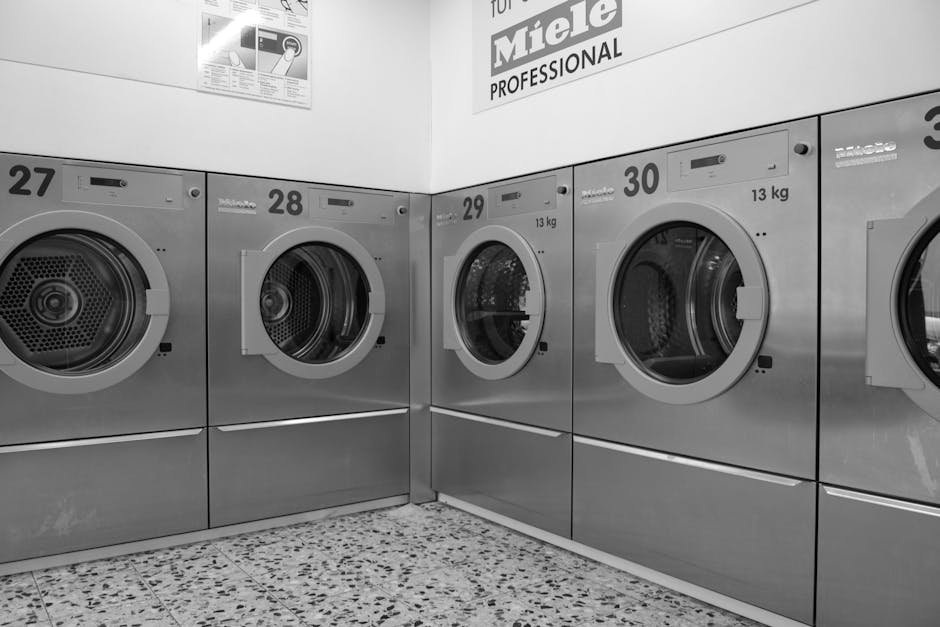

When you decide to sell washing machine units, the approach you take determines whether you walk away with a small profit or simply clear your space for free. In the Australian market, the value of your appliance depends heavily on its condition, age, and the current global commodity price for ferrous and non-ferrous metals. Whether you are upgrading your laundry setup or clearing out an investment property, understanding the lifecycle of your appliance is crucial. This guide provides an authoritative roadmap to navigating the resale and recycling landscape, ensuring you get the best price for your hardware. If you are looking for professional guidance on how to manage your metal waste, visit Scrap Trade for industry-leading insights. For those specifically needing to dispose of large appliances, our resource on Where to Sell Washing Machine: The Ultimate Recycling Guide offers deeper technical insights into the process.
Evaluating Your Appliance: Resale vs. Scrap
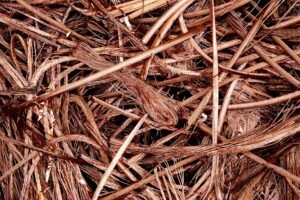
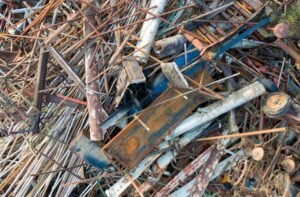
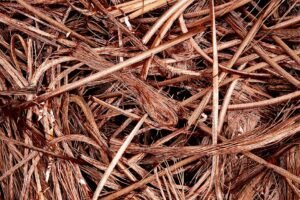
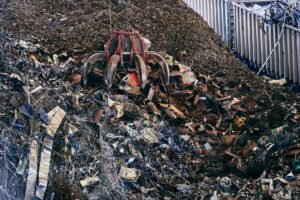
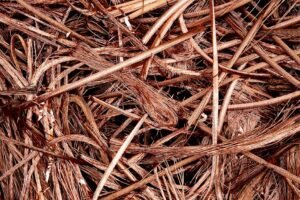
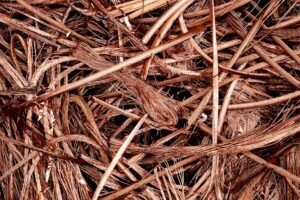
Before you commit to a disposal method, you must accurately assess the value of your machine. A functional washing machine that is less than five years old may hold significant resale value on platforms like Facebook Marketplace or Gumtree. However, if the motor is burnt out, the drum is cracked, or the control board is obsolete, your best path is to treat the unit as scrap metal. When you choose to sell washing machine parts or the entire unit as scrap, you are essentially selling the weight of the steel casing, the copper wiring in the motor, and the aluminum components. To get the best price, you should separate these materials if you have the tools and expertise, though most scrap yards will accept the unit whole. Understanding the difference between a functional appliance and a scrap commodity is the first step in maximizing your return. Many sellers fail because they attempt to sell a non-functional unit as a working appliance, wasting time on inquiries that lead nowhere. Instead, pivot quickly to a scrap dealer who can provide immediate cash for scrap based on weight. For more information on broader metal disposal, you can explore how to Sell Scrap effectively.
How to Get the Best Price for Your Washing Machine
Securing the best price for your old appliance requires timing and preparation. Scrap metal prices in Australia fluctuate based on the London Metal Exchange (LME) and local demand from refineries. To maximize your profit, monitor these trends. If you are selling a functional unit, clean it thoroughly. A pristine, sanitized machine can command a 20-30% premium over a dirty one. Remove all hoses, power cords, and external attachments, as these are often made of different materials and can be sold separately for a higher rate. When dealing with a scrap yard, call ahead to ask for their current price per tonne for ‘white goods’ or ‘shredder feed.’ Some yards offer higher rates if you drop off the unit yourself rather than requesting a collection. Always ensure you have a clear understanding of the weight of your machine. If you are also dealing with automotive parts, you might want to learn how to Sell My Catalytic Converter to bundle your metal waste and reduce transport costs. Remember, consistency is key; building a relationship with a local yard will eventually grant you access to better pricing tiers. For those planning ahead, our guide on how to Sell Scrap Metal Near Me In 2026 provides long-term strategies for metal asset management.
Where to Sell: Choosing the Right Channel
Choosing the right venue to sell washing machine units depends on your urgency. If you need the space cleared immediately, a local scrap yard is your best option. They provide instant cash for scrap and handle the recycling process, which is environmentally responsible. If you have time to wait, private marketplaces offer higher returns for working units. When listing online, be transparent about the machine’s condition. Include high-quality photos, the brand, the model number, and a video of the machine running a cycle. This transparency builds trust and reduces the time wasted on low-ball offers. If you are looking for reliable partners in the industry, check out Scrap Trade Australia for a directory of reputable buyers. Avoid listing your machine on sites that charge high commission fees, as these will erode your profits. Always prioritize local buyers who can pick up the unit, saving you the hassle of logistics. If you decide to go the scrap route, ensure the facility is licensed, as this guarantees your appliance is processed in accordance with Australian environmental regulations, preventing hazardous chemicals like refrigerants or lubricants from entering the ecosystem.
Documentation and Legal Requirements
When you sell washing machine units to a professional scrap dealer, you must comply with local state laws. In most Australian states, scrap metal dealers are required to record the details of the seller to prevent the trade of stolen goods. You will typically need a valid form of government-issued identification, such as a driver’s license or a passport. Some yards may also require a statutory declaration if you are selling large quantities of metal, though this is rare for a single domestic appliance. Keep a record of the transaction, including the date, the weight of the scrap, the price per kilogram, and the total amount paid. This documentation is vital for tax purposes if you are operating as a business or clearing out a commercial property. Furthermore, ensure that the appliance has been disconnected from the water supply and electrical mains by a qualified person if you are unsure about safety protocols. Safety is paramount; never attempt to dismantle a machine if you are not familiar with the internal electrical components, as capacitors can hold a lethal charge even when unplugged. By maintaining proper documentation, you protect yourself legally and ensure that your transaction is transparent and professional.
The Environmental Impact of Recycling
Recycling your old washing machine is one of the most environmentally responsible actions you can take as a consumer. Modern washing machines contain a complex mix of steel, copper, aluminum, plastic, and sometimes rare earth magnets. When these are sent to a landfill, they take up massive amounts of space and can leach toxic chemicals into the soil. By choosing to sell washing machine units to a scrap recycler, you are feeding the circular economy. The metal is melted down and repurposed into new steel beams, automotive parts, or even new appliances. This process consumes significantly less energy than mining virgin ore. In Australia, the recycling industry is highly sophisticated, with advanced shredding and sorting technologies that can recover over 95% of the materials in a standard appliance. When you participate in this system, you are contributing to a reduction in carbon emissions and preserving natural resources. Always ask your scrap dealer about their recycling process; reputable firms will happily explain how they manage the non-metal components, such as plastics and rubber, ensuring that nothing goes to waste. This commitment to sustainability is a hallmark of a responsible citizen and a smart trader.
Logistics: Moving Your Appliance Safely
Transporting a washing machine is often the biggest hurdle for sellers. These units are heavy, awkward, and prone to internal damage if tipped or dropped. If you are selling to a scrap dealer, many offer a collection service, though this will likely be deducted from your final payout. If you are transporting it yourself, use a heavy-duty trolley and ensure the unit is strapped down securely in your vehicle. Always transport a washing machine upright; laying it on its side can cause the drum suspension to fail or internal components to shift. Use moving blankets to protect your vehicle’s interior and the machine’s finish. If you are selling a working unit, the cost of a professional mover might be worth it to ensure the machine arrives in the same condition it left. If you are selling for scrap, you can be a bit more flexible, but always prioritize your physical safety. Use proper lifting techniques—bend at the knees, not the back—and never attempt to move a heavy appliance alone. If you have multiple appliances to move, consider hiring a trailer for the day to maximize your efficiency. By planning your logistics, you prevent damage, injury, and unnecessary stress, allowing you to focus on the financial reward of your sale.
Future-Proofing Your Appliance Sales
As we look toward 2026 and beyond, the market for scrap metal is expected to grow as the demand for recycled materials increases. Manufacturers are under pressure to include more recycled content in their products, which keeps the demand for scrap high. To stay ahead, keep your appliances well-maintained. A machine that is serviced regularly will last longer, giving you the option to sell it as a functional unit for a higher price later in its life. If you are frequently upgrading appliances, consider the brand’s resale value before you buy. Premium brands like Miele or Bosch hold their value significantly better than entry-level models. Keep all original manuals and service records; these documents can add value and provide peace of mind to a potential buyer. By treating your appliances as assets rather than disposable goods, you change your relationship with your home hardware. You become a manager of your assets, ensuring that when the time comes to sell, you are positioned to extract the maximum value. Whether you are selling a single machine or managing a fleet of appliances from a rental property, the principles of cleanliness, documentation, and market awareness remain the same. Stay informed, stay safe, and always look for the best price in the market.
Frequently Asked Questions
Is it better to sell my washing machine as a whole unit or as scrap?
If the washing machine is in working condition and relatively new, you will get a much higher price selling it on a private marketplace. If the machine is broken, obsolete, or damaged, selling it as scrap metal to a licensed facility is the most efficient and profitable option.
Do I need any specific documents to sell a washing machine to a scrap dealer?
Yes, Australian scrap metal dealers are legally required to verify your identity. You should bring a valid government-issued photo ID, such as a driver’s license or passport, to complete the transaction.
How can I maximize the price I get for a scrap washing machine?
To get the best price, ensure the machine is free of non-metal attachments like rubber hoses or plastic covers if requested by the yard. Additionally, dropping the unit off at the facility yourself rather than requesting a pickup will save you transport fees and increase your net profit.
Why is it important to use a licensed scrap metal recycler?
Licensed recyclers follow strict environmental regulations to ensure hazardous materials, such as refrigerants or lubricants, are disposed of safely. Using a licensed facility also ensures that the metal is processed ethically and contributes to the circular economy.