
When you decide to sell wheels, understanding the market, the condition of your wheels, and the paperwork required can help you secure the best price and avoid common pitfalls.
1. Assessing Your Wheels: Condition, Material, and Value
Before you start the selling process, take a detailed inventory of each wheel. Key factors include:
- Material type – Most wheels are made of steel, alloy, or a combination. Steel wheels typically fetch lower prices than alloy, but alloy wheels can sometimes be worth more if they contain precious metals.
- Condition – Clean, rust‑free wheels are more valuable. Even a small amount of corrosion can reduce the price by 10‑20%.
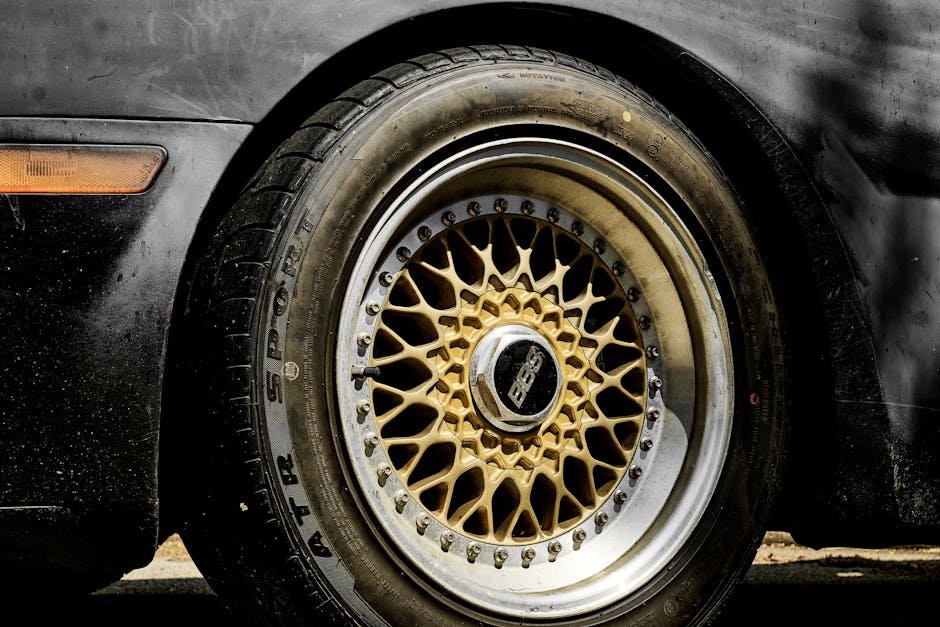
- Brand and model – Popular brands such as BBS, Enkei, or OZ Racing may command a premium, especially if they are still in good shape.
- Quantity – Bulk sales often receive a better per‑kilogram rate. If you have a set of eight or twelve wheels, dealers will usually offer a discount compared to buying a single wheel.
- Weight – Dealers pay per kilogram. A heavier wheel can mean a higher payout even if the material is the same.
To get an accurate estimate, weigh each wheel with a reliable scale and note the material. If you’re unsure about the composition, bring a sample to a local dealer; many will conduct a quick test to confirm the metal type.
2. Understanding Scrap Metal Prices in Australia
Scrap metal prices fluctuate daily, influenced by global supply chains, local demand, and commodity markets. Here’s how to stay ahead:
- Check weekly price sheets – Major Australian scrap dealers publish weekly price updates on their websites. Look for steel, aluminum, and alloy rates.
- Monitor commodity exchanges – The London Metal Exchange (LME) and Australian Financial Review often report on metal price trends that directly affect scrap rates.
- Use online calculators – Some platforms allow you to input weight and material to get an instant price estimate. While not official, they provide a useful benchmark.
- Consider seasonal demand – Construction booms, automotive refurbishing seasons, or major events can temporarily drive up scrap metal prices.
When you’re ready to sell, compare the dealer’s offer with the current market rate. A reputable dealer will match or exceed the market price, especially if you present clean, well‑documented wheels.
3. Finding the Right Scrap Dealer
Choosing the right scrap dealer is crucial for securing the best price. Use the following steps to identify trustworthy partners:
- Research online reviews – Sites like Google Maps, Yelp, and local forums often contain buyer experiences. Look for consistent positive feedback.
- Ask for referrals – If you know other sellers who have recently sold wheels, ask them which dealer offered the best rate and service.
- Visit multiple locations – Some dealers may quote higher prices for the same material. A quick trip to two or three shops can reveal the best offer.
- Check accreditation – Look for membership in the Australian Scrap Metal Association (ASMA) or similar bodies. Accreditation often signals adherence to industry standards.
- Compare offers in person – Bring a sample wheel to each dealer and request a written quote. This ensures you have a tangible record of the price you’re being offered.
For a quick start, you can use our Sell Scrap resource, which lists reputable dealers across Australia. If you’re in a hurry, the Sell Scrap Metal Near Me In 2026 page will help you locate a dealer within your local area.
4. Preparing Your Wheels for Sale
Proper preparation can increase your wheels’ value and speed up the selling process. Follow these steps:
- Clean the wheels – Remove dirt, oil, and brake dust using a degreaser. A clean wheel looks more appealing and can fetch a higher price.
- Remove non‑metal parts – Separate any plastic, rubber, or composite components. Dealers pay only for metal.
- Mark the weight – Place a clear, waterproof label on each wheel indicating its weight in kilograms. This reduces the dealer’s inspection time.
- Bundle wheels by type – Group all steel wheels together and all alloy wheels together. This helps the dealer weigh and price each batch accurately.
- Secure the wheels – Use straps or a sturdy pallet to keep the wheels stable during transport to the dealer.
If you have a large quantity of wheels, consider splitting them into smaller shipments to avoid logistical issues. A well‑organized presentation signals professionalism and can lead to a smoother transaction.
5. Documentation and Legal Requirements
While selling wheels is generally straightforward, certain documents can protect both you and the dealer:
- Proof of ownership – Keep receipts, warranty cards, or a clear title that shows you own the wheels. This helps avoid disputes.
- Vehicle registration – If the wheels were removed from a specific vehicle, the registration can serve as additional proof.
- Dealer’s contract – Some dealers require a signed contract outlining the sale price, payment method, and delivery terms. Read it carefully before signing.
- Safety and environmental compliance – Dealers must follow Australian environmental laws regarding metal disposal. Ensure the dealer has the necessary permits.
- Tax documentation – If you’re a business, keep records of the sale for GST purposes. Personal sellers typically do not need to report the sale.
For more detailed guidance on how to handle documentation, you can visit our Sell My Catalytic Converter article, which covers similar paperwork for other scrap items.
6. Negotiating and Getting Paid
Negotiation can be the final hurdle before you receive your payout. Keep these points in mind:
- Know the market rate – Use the latest scrap metal prices as a baseline. Don’t accept a price that is significantly below the market average without a clear reason.
- Ask for a written quote – This protects you if the dealer changes the price after the fact.
- Negotiate based on quantity – If you’re selling a large batch, dealers may offer a better rate. Mention the total weight upfront.
- Confirm payment method – Most dealers pay by bank transfer or instant cash. Verify the method and the timing of the payout.
- Inspect the payment receipt – Once the dealer pays, request a receipt or a signed acknowledgement to keep on file.
When you’re satisfied, you can close the deal and collect your cash. A reputable dealer will pay within 24 to 48 hours of inspection, especially if you’ve provided all necessary documentation.
7. Additional Resources and Community Support
Beyond the basics, there are several tools and communities that can help you maximize your wheels sale:
- Online forums – Sites like sell your wheels and sell used wheels offer peer advice and real‑world experiences.
- Local trade shows – Many cities host scrap metal trade shows where dealers showcase their services and offer special rates for attendees.
- Environmental groups – Organisations such as the Australian Recycling Association provide guidelines on responsible metal disposal.
- Financial advice – If you’re selling a large quantity, consult a financial advisor to understand tax implications and potential investment options.
For a quick comparison of all our services, you can visit our Scrap Trade website. If you’re based in Australia and looking for local expertise, check out ScrapTrade.com.au for region‑specific advice and dealer listings.
Conclusion: Making the Most of Your Wheels Sale
Successfully selling wheels hinges on preparation, market knowledge, and choosing the right dealer. By assessing your wheels accurately, staying informed about scrap metal prices, and ensuring all paperwork is in order, you can secure a fair payout and avoid common pitfalls. Remember to keep your wheels clean, bundle them strategically, and always ask for a written quote before finalising the sale.
Ready to take the next step? Explore our Sell Scrap guide for broader scrap metal selling tips, or head to our Sell Scrap Metal Near Me In 2026 page to find local dealers quickly. With the right approach, you’ll turn your unwanted wheels into a clean, profitable transaction.
Frequently Asked Questions
What is the best time to sell wheels in Australia?
Scrap metal prices peak during the late winter and early spring months when construction activity is high, but rates can also surge during major events like the Australian Open or Melbourne Cup. Checking weekly price sheets before you go to a dealer ensures you get the best rate.
Do I need a special license to sell wheels?
No, individuals can sell wheels without a license. However, dealers must hold the appropriate environmental and safety permits. If you’re selling large quantities as a business, you may need to register for GST and keep proper tax records.
Can I sell wheels online?
Yes, many platforms allow you to list wheels for sale and have dealers come to pick them up. Ensure the platform is reputable and provides clear payment terms before listing.
How do I know if my wheels contain alloy?
Look for a stamped alloy symbol or brand markings. If uncertain, bring a sample to a dealer for a quick metal test; most reputable dealers can confirm the composition within minutes.