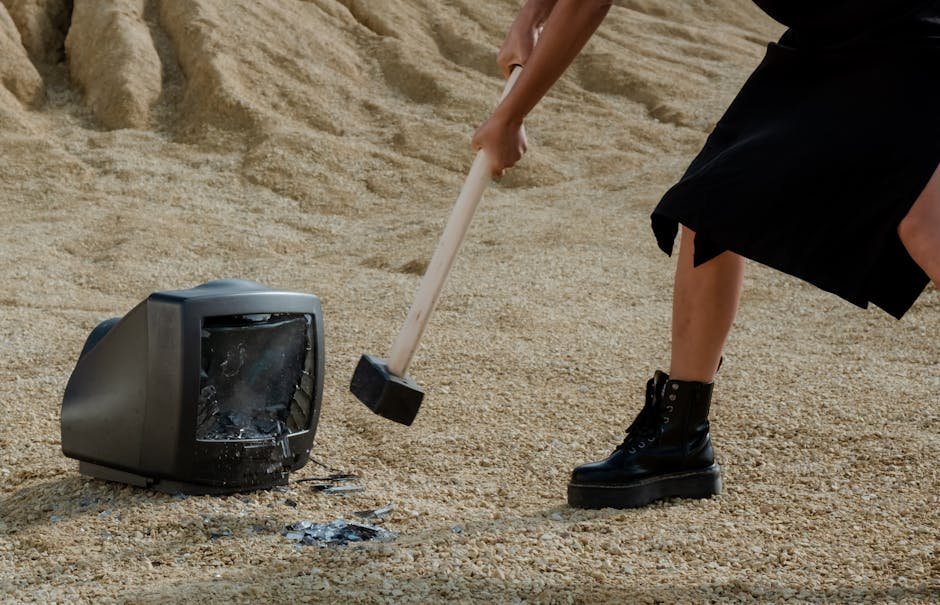

When you decide to sell your broken TV, you are not just clearing out clutter; you are engaging in a sophisticated resource recovery process that keeps hazardous materials out of Australian landfills. Many homeowners mistakenly believe that a non-functional television is strictly trash, but the reality is that modern electronics are rich in precious metals and recyclable plastics. Whether you are looking to sell your broken TV for parts or as raw scrap, understanding the internal composition of your device is the first step toward maximizing your profit. The Australian recycling market is evolving rapidly, and as we look toward Sell Scrap Metal Near Me In 2026, the demand for high-grade electronic scrap is at an all-time high. By choosing to recycle rather than dump, you contribute to a circular economy that prioritizes sustainability while putting cash back in your pocket.
The Anatomy of Value: Why Your Broken TV Matters
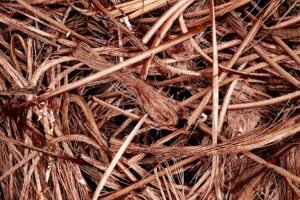
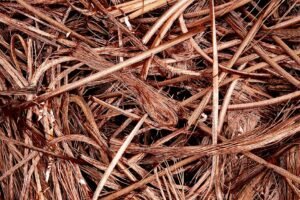
Modern LED, LCD, and Plasma televisions are complex assemblies of high-value materials. When you prepare to sell your broken TV, you are essentially trading in a collection of copper wiring, aluminum heat sinks, gold-plated connectors, and high-density circuit boards. The value of your TV depends heavily on the model year and the screen technology used. For instance, older plasma TVs contain significantly more heavy metals and glass, which require specialized handling, whereas newer LED models are prized for the precious metals found on their logic boards. To get the best price, you must understand that scrap dealers pay based on the weight and the purity of the recoverable materials. If you are interested in broader recycling opportunities, you might also want to Sell Scrap through verified industry partners who understand the current commodity market rates. Always avoid the temptation to simply throw your TV in the general waste bin; not only is it environmentally irresponsible, but you are literally throwing away money that could be recovered through professional scrap channels.
Where to Sell: Navigating the Australian Scrap Market
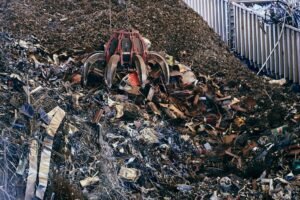
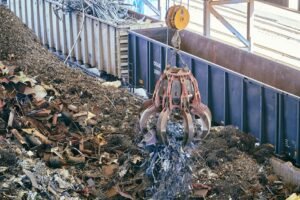
Finding the right buyer is the most critical factor in determining your financial return. When searching for where to sell, you have three primary categories of buyers: professional scrap metal recyclers, e-waste specialists, and private parts collectors. Professional scrap yards are the most reliable option for bulk or non-functional units, as they have the machinery to safely dismantle the device and extract the various metal streams. If your TV is a high-end model that stopped working due to a minor power supply failure, you might find more value by selling it to a technician who repairs electronics. For those looking for comprehensive solutions, visiting Scrap Trade Australia provides a clear overview of how to categorize your items for maximum yield. It is also worth noting that if you have other items to clear, you might simultaneously look to Sell My Catalytic Converter, as many scrap yards offer bundled pricing for different types of metallic waste. Always call ahead to verify that the facility accepts e-waste, as some scrap dealers focus exclusively on ferrous and non-ferrous metals and may not have the licenses to handle the hazardous components found in older CRT or plasma screens.
Maximizing Your Return: Tips for the Best Price
Getting the best price for your broken TV requires a bit of preparation. Never arrive at a scrap facility with a messy, unorganized pile. Instead, remove the plastic casing if you feel confident doing so, as this allows you to present the high-value circuit boards and copper wiring more clearly. Clean electronics are easier to weigh and grade, which often leads to a higher payout from the yard manager. Keep an eye on global commodity prices; when the price of copper and gold rises, the scrap value of your TV rises with it. Another strategy is to collect multiple broken appliances over several months. Selling a single TV might net you a nominal amount, but selling a trailer load of mixed e-waste can significantly increase your bargaining power. For a deep dive into the logistics and market trends, refer to our comprehensive guide on How to Sell Broken TV for Cash: The Ultimate Australian Guide. Remember, cash for scrap is a competitive business, so do not be afraid to negotiate if you have a high volume of quality material.
Documentation and Legal Requirements
In Australia, the regulations surrounding the disposal of electronic waste are becoming increasingly stringent. When you bring your items to a professional recycler, you may be required to provide basic identification. This is a standard industry practice to prevent the trade of stolen goods and to ensure that all hazardous waste is tracked from the point of collection to the point of final recycling. Ensure you have your driver’s license or a valid government-issued ID ready. If you are selling on behalf of a business, you might need to provide an ABN and a tax invoice. Furthermore, if you are disposing of a large quantity of electronic equipment, some states require a waste transport certificate. Always clarify these requirements with your chosen scrap dealer before you load your vehicle. By maintaining proper documentation, you not only protect yourself legally but also establish a professional relationship with the dealer, which can lead to better long-term rates.
The Environmental Impact of Responsible Recycling
When you choose to recycle your broken TV rather than sending it to a landfill, you are preventing toxic substances like lead, mercury, and cadmium from leaching into the soil and water supply. These materials are highly hazardous and require specialized processing to neutralize. By choosing a reputable scrap dealer, you ensure that these components are handled in compliance with Australian Environmental Protection Agency (EPA) standards. This commitment to sustainability is what drives the industry forward. As we look toward the future of the circular economy, the ability to extract and reuse these materials is essential for reducing our reliance on mining. Every TV recycled is a step toward a cleaner Australia, and it is a process that rewards the individual for doing the right thing. The scrap dealer you choose should be transparent about their recycling process, ideally providing you with information on how they handle the non-recyclable fractions of your device.
Common Pitfalls to Avoid
The most common mistake people make is assuming that all scrap dealers are the same. Some facilities are essentially middlemen who will offer you a lower price and then sell your items to a larger refinery. To ensure you are getting the best price, try to sell directly to the end-processor whenever possible. Another pitfall is failing to secure your personal data. If your TV is a Smart TV, it may contain cached data or login credentials. Always perform a factory reset before handing it over to a recycler, even if the screen is broken. If the screen is completely non-functional, you may need to physically remove or destroy the memory storage module if you are concerned about data privacy. Finally, be wary of ‘free’ pickup services that claim to pay you for scrap. Often, these services charge a ‘transport fee’ that offsets the value of the scrap, leaving you with nothing. Always prioritize transparency and verify the reputation of the buyer through online reviews and local business directories.
Future-Proofing Your Scrap Strategy
As we move closer to 2026, the technology used in our homes is becoming more integrated and complex. This means that the scrap value of our household items is also changing. Staying informed about the market is the key to long-term success. Whether you are a homeowner clearing out a garage or a small business managing end-of-life IT assets, the principles of value recovery remain the same: sort your materials, find a reputable buyer, and keep your documentation in order. By treating your broken electronics as a resource rather than waste, you can create a reliable secondary income stream. Keep checking resources like our site for updates on market fluctuations and new recycling technologies. The Australian scrap metal industry is robust and full of opportunity for those who take the time to understand the mechanics of the trade. Start by cataloging what you have, identifying the materials involved, and reaching out to local yards to compare their current buy rates. Your broken TV is the beginning of a larger recycling journey that benefits both your wallet and the planet.
Related: Sell Scrap Metal Near Me In 2026
Frequently Asked Questions
Is it worth selling a broken TV for scrap?
Yes, it is worth it if you have several units or if the TV contains significant amounts of copper and precious metals. While a single small TV may offer a modest return, it is always better than paying for landfill disposal fees.
Do I need to clean the TV before taking it to a scrap dealer?
While not strictly required, cleaning the TV and removing non-metallic parts like plastic casings will help the dealer grade the material more accurately. This often leads to a higher payout as it saves the dealer time during the processing phase.
What documents do I need to bring to a scrap yard?
You should bring a valid government-issued ID, such as a driver’s license, to comply with local regulations. If you are representing a business, bring your ABN and a tax invoice to facilitate the transaction.
How do I ensure my data is safe on a broken Smart TV?
If the screen is still partially functional, perform a full factory reset through the settings menu. If the screen is completely black, consider physically removing the circuit board containing the memory storage or asking the recycler if they provide data destruction services.