
In the modern Australian economy, industrial metal recycling serves as the backbone of sustainable manufacturing and resource management. By diverting thousands of tonnes of ferrous and non-ferrous waste from landfills, businesses not only contribute to a circular economy but also unlock significant financial value from their scrap streams. Whether you are managing a large-scale demolition site or a precision engineering workshop, understanding the intricacies of the recycling chain is essential for operational efficiency.
The Economic and Environmental Impact of Industrial Metal Recycling
The transition toward a circular economy has positioned industrial metal recycling as a critical operational pillar for Australian enterprises. When metals are recycled, they retain their physical properties, meaning they can be melted down and reformed indefinitely without loss of quality. This process uses significantly less energy than extracting virgin ore—for instance, recycling aluminium saves roughly 95% of the energy required to produce it from bauxite.
For businesses, this translates to tangible financial gains. By implementing a structured scrap management plan, companies can offset disposal costs and generate a new revenue stream. Furthermore, as ESG (Environmental, Social, and Governance) reporting becomes mandatory for larger entities, documented recycling practices provide the evidence required to demonstrate corporate responsibility. If you are looking for local facilities to handle your volume, you can search for Scrap Metal Recycling Near Me to find professional partners equipped to handle heavy-duty loads.
Beyond the cost savings, there is the issue of regulatory compliance. Australian environmental protection agencies are increasingly strict regarding the disposal of hazardous or contaminated metallic waste. Professional recyclers ensure that all materials are processed in accordance with local laws, mitigating the legal risks associated with improper waste handling. Whether you are dealing with copper, steel, or specialty alloys, finding a reliable partner is essential. You can explore options for Metal Recycling Near Me to ensure your operations align with local waste management standards.
Understanding Ferrous vs. Non-Ferrous Scrap
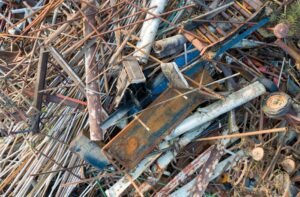
To maximize the value of your scrap, you must distinguish between the two primary categories: ferrous and non-ferrous metals. Ferrous metals, which contain iron, are magnetic and generally found in construction steel, heavy machinery, and shipping containers. Because of their sheer volume, they are the most recycled material globally. However, their lower market value per kilogram means that logistics and volume are the keys to profitability.
Non-ferrous metals—such as aluminium, copper, lead, zinc, and nickel—are non-magnetic and highly valuable. These materials are the lifeblood of the electronics, aerospace, and electrical sectors. Because they are more expensive to extract, the demand for recycled non-ferrous scrap is consistently high. Many businesses overlook the value in their “off-cuts” or “turnings,” which are high-grade non-ferrous materials that command a premium price if kept clean and separated from contaminants.
Specialized services like Core Metal Recycling focus on the high-value recovery of these materials. Proper segregation at the source is the most important factor in determining the price you receive. If you mix low-grade steel with high-grade copper or brass, the entire load is often downgraded to the lowest common denominator, costing you significant revenue. For those operating in specific regions, such as the Sunshine Coast, utilizing local expertise like metal recycling sunshine can streamline your logistics and ensure you are getting the best market rates for your sorted materials.
Best Practices for Scrap Management and Collection
Effective industrial metal recycling requires a proactive approach to site management. The goal is to minimize contamination and maximize the ease of transport. Start by conducting a waste audit to identify which metals are being generated and in what quantities. Once you have a clear picture, implement a color-coded bin system on your site. Label bins clearly for “Copper,” “Aluminium,” “Stainless Steel,” and “Ferrous Scrap.”
Training your staff is equally important. When employees understand the value of the scrap they handle, they are more likely to take the time to separate materials correctly. Contamination—such as plastic, wood, or glass mixed into a scrap load—is the primary reason for lower payouts. A clean load is a profitable load. Furthermore, consider the logistics of your collection. If you generate large volumes, many recyclers will provide skip bins or roll-on-roll-off containers, which simplifies the process and reduces the need for frequent site visits.
For those looking for large-scale industrial solutions, researching established players like sims metal recycling can provide insight into how major industry leaders manage complex scrap streams. By integrating these practices, you transform a waste management headache into a streamlined revenue stream. For more information on how to optimize your scrap trade, visit the leading scrap metal trading platform to stay updated on current market trends and pricing. Additionally, you can find comprehensive resources for the Australian market at Scrap Trade Australia, which offers tools and insights for professional scrap traders.
The Role of Technology in Modern Recycling
The recycling industry has undergone a technological revolution. Today, advanced sorting techniques use X-ray fluorescence (XRF) and optical sensors to identify metal compositions in real-time. This allows for the high-purity processing of alloys, which is essential for industries like aviation and medical manufacturing. When you send your scrap to a professional facility, these technologies ensure that your material is accurately graded, which in turn secures a better price for you.
Furthermore, digital platforms have made the scrap market more transparent. In the past, sellers were often at the mercy of opaque pricing structures. Today, digital scrap trading platforms allow sellers to view market trends, compare prices, and connect with buyers directly. This visibility is forcing the entire industry toward greater accountability and efficiency. By leveraging these digital tools, your business can time its sales to coincide with market peaks, further increasing the ROI of your recycling program.
Safety and Compliance: A Non-Negotiable Priority
Industrial recycling sites are high-risk environments. Heavy machinery, sharp metal edges, and high-voltage equipment require stringent safety protocols. If you are managing scrap on your own site, ensure that all workers are equipped with appropriate PPE, including cut-resistant gloves, steel-toed boots, and high-visibility clothing. Furthermore, ensure that all scrap storage areas are secure and that heavy items are stored in a way that prevents tipping or collapse.
Compliance with environmental regulations is just as critical. Many metals, if improperly stored, can leach chemicals into the soil or groundwater. Ensure your storage area has adequate drainage and that you are working with a licensed recycler who adheres to EPA standards. A reputable recycler will provide you with a Certificate of Destruction or a recycling report, which is essential for your own audit trails and sustainability reporting. Never work with unlicensed “backyard” operators, as they often lack the infrastructure to manage environmental risks, which could leave your business liable for any resulting contamination or illegal dumping.
Future Trends in the Metal Recycling Industry
The future of the industry is tied to the global push for decarbonization. As the world moves toward electric vehicles and renewable energy, the demand for copper, lithium, and rare earth metals is skyrocketing. This shift is creating a new niche in the recycling sector: the recycling of batteries and electronic components. Industrial players who adapt to these changes by investing in specialized equipment will be the ones who dominate the market in the coming decade.
Another trend is the move toward “design for recycling.” Manufacturers are increasingly creating products with the end-of-life process in mind, making it easier to disassemble components and recover materials. By staying informed about these design trends, your business can better prepare for future scrap streams. Whether it is through improved sorting or adopting new digital trading platforms, the path forward for industrial metal recycling is one of innovation and increased efficiency.
Logistics and Transport: Moving Your Scrap
Once you have sorted and stored your metal, the final step is transport. Logistics can be the most expensive part of the recycling process, especially for lower-value ferrous materials. To minimize these costs, consider the proximity of your recycling partner. If you are in a remote area, look for recyclers who specialize in long-haul logistics or who can provide rail-freight options. For high-value materials, the cost of transport is less of a factor, but security becomes paramount. Always ensure that your load is properly weighed and documented before it leaves your site to avoid discrepancies in payment.
Building a long-term relationship with a single, reliable recycler is often more beneficial than chasing the highest spot price from a different buyer every time. A consistent partner will understand your specific scrap profile, offer better bin placement services, and provide more stable pricing over time. They become an extension of your operations, helping you to refine your recycling processes and improve your bottom line year after year.
Conclusion
Industrial metal recycling is far more than just waste disposal; it is a sophisticated, highly profitable, and environmentally essential industry. By understanding the differences between metal types, investing in proper on-site segregation, and partnering with reputable, tech-enabled recycling facilities, your business can significantly reduce its environmental footprint while unlocking new revenue. As the global economy continues to prioritize sustainability, those who master the art of scrap management will find themselves at a distinct competitive advantage. Whether you are just starting to formalize your recycling program or looking to optimize an existing one, the resources available today make it easier than ever to turn your industrial waste into a valuable asset.
Frequently Asked Questions
What is the most valuable metal to recycle?
Copper is generally the most valuable common industrial metal due to its high demand in electrical and plumbing applications. Other high-value metals include brass, stainless steel, and specialty alloys like titanium or nickel.
How can I get the best price for my industrial scrap?
The best way to maximize returns is to segregate your metals by type and grade. Removing non-metallic contaminants like plastic, rubber, or wood ensures your load is classified as high-purity, which commands a higher market price.
Do I need a license to sell industrial scrap metal?
In Australia, while you generally don’t need a license to sell scrap, you must provide valid identification to the recycler. Most professional scrap yards are required by law to record the details of the seller to prevent the trade of stolen goods.
Why is it important to use a licensed recycling facility?
Licensed facilities comply with strict environmental regulations regarding the handling of hazardous materials and waste management. Using a licensed partner protects your business from legal liability and ensures that the recycling process is conducted safely and sustainably.