
Navigating the landscape of industrial scrap metal services requires a deep understanding of how global commodities markets intersect with local Australian logistics. For businesses operating in the manufacturing, construction, or heavy engineering sectors, scrap metal is not merely waste—it is a significant asset class that, when managed correctly, contributes to both the bottom line and corporate sustainability goals. Whether you are seeking streamlined industrial metal services to manage site clearance or looking for long-term b2b scrap metal services, the efficiency of your recycling program dictates your profitability.
Understanding Metal Grades and Classification
The value of scrap metal is determined primarily by its grade, purity, and the current state of the global market. In the industrial sector, metals are categorized into Ferrous and Non-Ferrous groups. Ferrous metals, such as iron and steel, contain carbon and are magnetic. Non-ferrous metals, including copper, aluminium, brass, lead, and zinc, are highly prized for their resistance to corrosion and superior conductivity. Understanding these classifications is essential when you look for Scrap Metal Prices to ensure you are receiving fair market value for your inventory.
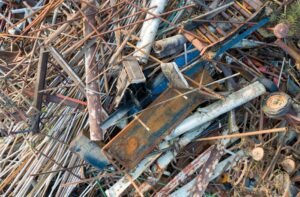
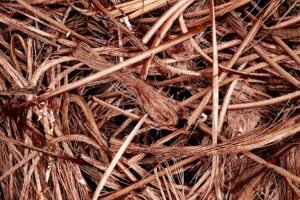
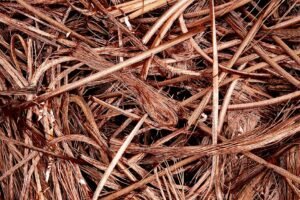
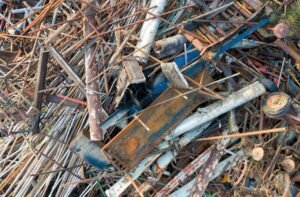
High-grade industrial scrap often comes from manufacturing offcuts, decommissioned machinery, or structural steel demolition. For instance, ‘Heavy Melting Steel’ (HMS) is a common industrial grade that requires specific sizing to be accepted by steel mills. Conversely, non-ferrous metals like high-conductivity copper wire or clean aluminium extrusions command significantly higher prices due to the energy-intensive nature of mining and refining virgin ores. By segregating these materials at the source, industrial facilities can significantly increase their recycling revenue.
The Lifecycle of Industrial Metal Recycling
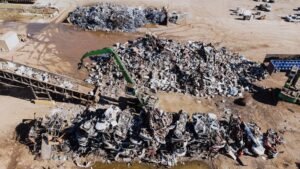
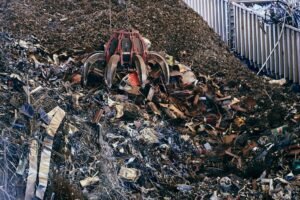
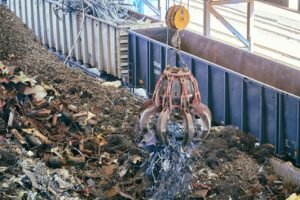
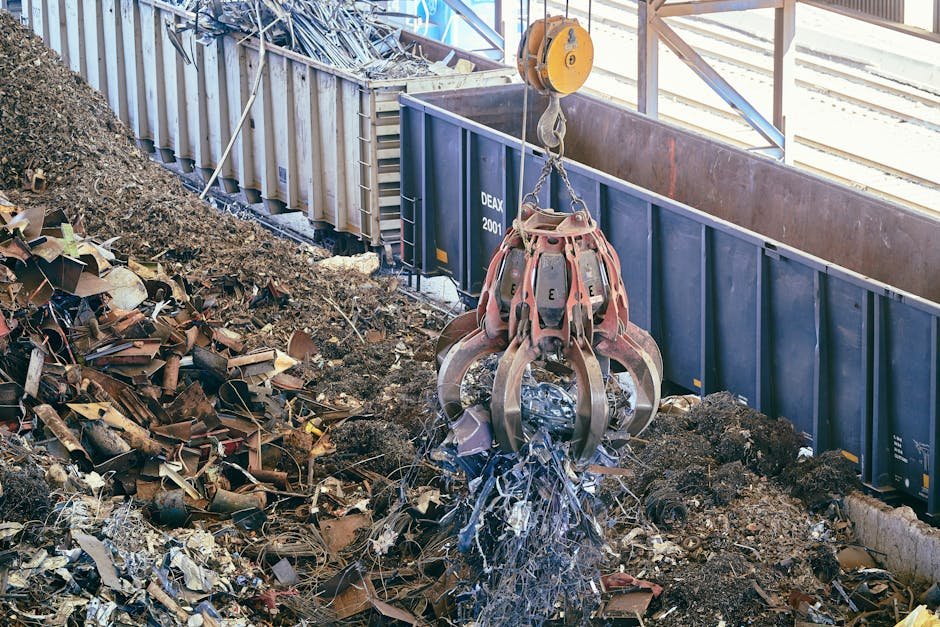
The industrial metal recycling process is a sophisticated logistical operation designed to transform raw industrial waste into high-purity feedstock for manufacturers. It begins with collection and transportation, where specialized equipment—such as roll-off bins, flatbed trucks, and hydraulic cranes—is deployed to manage large volumes of material. Once the scrap reaches the processing facility, it undergoes a rigorous sorting phase. Modern facilities utilize magnetic separators, eddy current separators for non-ferrous recovery, and sensor-based X-ray fluorescence (XRF) technology to ensure precise metal identification.
After sorting, the metal is processed through shredding, shearing, or baling. Shredding reduces large machinery or structural components into small, manageable pieces, increasing the surface area for downstream refining. Baling compacts lighter materials like aluminium siding or thin-gauge steel into dense cubes, optimizing shipping efficiency. This entire lifecycle is supported by professional Scrap Metal Recycling Near Me providers who ensure compliance with environmental regulations and safety standards. For those managing recurring waste streams, knowing how to Sell Scrap Metal Near Me In 2026 will become increasingly important as circular economy mandates tighten.
Environmental and Economic Benefits
The environmental case for robust industrial scrap metal services is undeniable. Recycling steel, for example, uses approximately 75% less energy than producing it from virgin iron ore. This reduction in energy consumption directly translates to lower greenhouse gas emissions and a smaller carbon footprint for the entire supply chain. Furthermore, recycling preserves finite natural resources and reduces the land degradation associated with open-cut mining and tailings disposal.
From an economic perspective, industrial metal recycling fosters a circular economy. By keeping metals in the production loop, Australian industries reduce their dependence on volatile global commodity imports. Companies that prioritize scrap management often see reduced waste disposal costs, lower landfill levies, and improved ESG (Environmental, Social, and Governance) ratings. Engaging with a reputable scrap metal trading platform can help businesses track their carbon savings and provide transparent reporting for sustainability audits.
Optimizing Your Site for Scrap Management
Efficiency in scrap metal management starts at the point of generation. Implementing a ‘segregation at source’ policy is the single most effective way to maximize returns. When different grades of metal are mixed, they are often downgraded to a ‘mixed scrap’ price, which is significantly lower than the value of the individual components. By providing designated bins for copper, aluminium, stainless steel, and ferrous metals, your team can ensure that high-value materials are not contaminated by lower-value waste.
Practical tips for site managers include: 1) Training staff to identify metal types; 2) Investing in heavy-duty, clearly labelled containment systems; 3) Scheduling regular pickups to prevent site clutter and safety hazards; and 4) Maintaining accurate weight records to track volume and price trends. For comprehensive support, visit Australia’s leading scrap metal network to connect with local buyers who can provide tailored site solutions.
Compliance, Safety, and Regulations
Operating within the industrial scrap sector requires strict adherence to Australian safety and environmental standards. Scrap yards are high-risk environments, and professional industrial scrap metal services prioritize safety through rigorous site inductions, clear traffic management plans, and the use of personal protective equipment (PPE). Furthermore, environmental compliance is paramount. Facilities must manage potential contaminants like oils, fluids, or hazardous materials found in decommissioned machinery. A certified recycler will ensure that all hazardous waste is handled, transported, and disposed of in accordance with state-based EPA regulations.
When selecting a recycling partner, it is crucial to verify their certifications. A professional service provider will offer detailed documentation, including weighbridge dockets and environmental impact statements, which are essential for large-scale industrial clients. This level of transparency not only mitigates legal risk but also ensures that your company is contributing to a legitimate, ethical, and sustainable recycling chain.
The Future of Industrial Metal Recycling
As we look toward 2026 and beyond, the industrial scrap metal industry is undergoing a digital transformation. The integration of blockchain for supply chain traceability and the use of AI-driven sorting robotics are set to revolutionize how scrap is processed. These advancements will lead to higher purity levels in recycled alloys, allowing manufacturers to use recycled feedstock in increasingly complex applications, such as aerospace and electric vehicle production.
For businesses, this means the value of scrap will continue to rise as demand for ‘green’ metal grows. Keeping up with market trends, understanding the nuances of international trade, and leveraging digital platforms to find the best buyers will be the hallmark of successful industrial waste management. Whether you are a small workshop or a multinational construction firm, the ability to effectively manage your metal waste is a strategic advantage in a resource-constrained world.
Conclusion: Choosing the Right Partner
Choosing the right partner for your industrial scrap metal needs is a decision that impacts your operational costs, environmental impact, and regulatory compliance. By focusing on high-quality segregation, understanding market pricing, and working with experienced recyclers, you can turn a waste management headache into a streamlined revenue stream. Remember that the best services are those that integrate seamlessly into your existing operations, providing the tools and logistics necessary to keep your site clean and your profits high. As you refine your processes, ensure you stay informed by utilizing resources that offer real-time data and expert insights into the Australian scrap landscape.
Frequently Asked Questions
What is the difference between ferrous and non-ferrous scrap metal?
Ferrous metals, like steel and iron, contain carbon and are magnetic, making them common in construction. Non-ferrous metals, such as copper, aluminium, and brass, are non-magnetic and highly valued for their conductivity and corrosion resistance.
How can I get the best price for my industrial scrap?
The best way to maximize returns is to segregate your scrap metal by grade at the source. Keeping high-value metals like copper separate from general steel prevents price downgrading and ensures you receive the top market rate.
Why is recycling industrial scrap better for the environment?
Recycling metal significantly reduces the energy required compared to extracting and refining virgin ores. This process drastically lowers greenhouse gas emissions and reduces the need for destructive mining practices.
What should I look for in an industrial scrap metal service provider?
Look for providers with proper environmental certifications, reliable logistics, transparent pricing structures, and the ability to provide detailed reporting for your sustainability and waste management records.