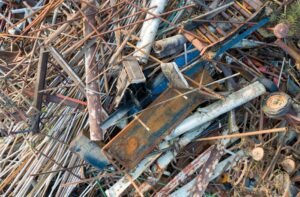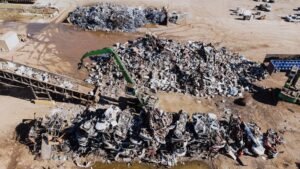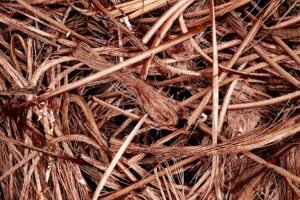

The term iron scrap prices today refers to the current market value of recycled iron materials, which fluctuate daily based on global commodity trends, domestic demand from steel mills, and the specific grade and form of the scrap. Understanding these prices is essential for industrial suppliers, demolition contractors, scrapyards, and recyclers who rely on accurate, real-time data to make informed decisions about selling or purchasing ferrous materials.
Understanding Iron Scrap Prices Today
Iron scrap prices today are influenced by a complex network of domestic and international factors, including global steel production, energy costs, manufacturing demand, and recycling infrastructure. In Australia, iron scrap—also known as ferrous scrap—is one of the most commonly recycled materials due to its high utility in steelmaking. The price per kg or price per tonne of iron scrap is not fixed and can vary significantly from one region to another, even within the same state.
Currently, Australian ferrous scrap prices range between $300 and $550 per tonne, translating to approximately $0.30 to $0.55 per kg. These values apply primarily to clean, processed grades such as shredded steel or cut heavy melting steel. Lower-grade materials, such as mixed iron with contaminants, may fetch substantially less. For up-to-date benchmarks, traders and recyclers often refer to real-time data sources like Scrap Prices and Scrap Metal Prices, which monitor market movements across major hubs including Sydney, Melbourne, Brisbane, and Perth.
It’s also important to distinguish between different forms of iron. Cast iron, commonly found in engine blocks, manhole covers, and machinery bases, typically commands a premium due to its higher carbon content and durability. Wrought iron, though increasingly rare, is valued for its fibrous grain structure and historical applications. Both contribute to the broader category of iron scrap metal prices, but their pricing depends on purity, preparation, and volume.
How Iron Scrap Pricing is Determined
The pricing mechanism for iron scrap is multifaceted, involving both market-driven and logistical components. Unlike commodities with centralized exchanges like oil or gold, scrap metal pricing is largely decentralized and negotiated between buyers and sellers. However, several key benchmarks help standardize value.
Global Steel Demand: The primary driver of iron scrap prices today is the global demand for steel. When construction, automotive, and manufacturing sectors are booming—particularly in countries like China, India, and Turkey—the demand for recycled scrap increases, pushing prices upward. Australia exports significant volumes of processed ferrous scrap, so international market conditions have a direct impact on domestic rates.
EMR (Electric Arc Furnace Melting Rate) Benchmark: One of the most influential indicators is the EMR scrap price, which refers to the standard grade used in electric arc furnaces for steel production. Tracking emr scrap prices today gives recyclers and traders insight into the baseline value of clean, processed ferrous scrap. In Australia, EMR prices often set the floor for other grades.
Domestic Supply Chain Efficiency: Collection, sorting, and processing costs affect final pricing. Scrap that is already shredded, baled, or cut to specification requires less labor and energy to recycle, increasing its market value. Conversely, unprocessed or contaminated loads are discounted to account for additional handling.
Currency Exchange Rates: Since Australia trades scrap internationally, the strength of the Australian dollar (AUD) against the US dollar (USD) plays a role. A weaker AUD makes Australian scrap more competitive on the global market, potentially boosting demand and prices.
Energy Costs: Steel production via electric arc furnaces is energy-intensive. Rising electricity prices can reduce mill profitability, leading to lower bids for scrap. Conversely, access to renewable energy can improve margins and support higher scrap uptake.
These variables are continuously assessed by market analysts and platforms such as Scrap.Trade, which aggregates real-time data to provide accurate, location-specific insights into current scrap prices.
Key Factors Affecting Iron Scrap Prices Today
Multiple dynamic and interdependent factors influence the current scrap prices for iron across Australia. Understanding these allows stakeholders to anticipate price movements and optimize their recycling strategies.
- Industrial Activity Levels: During periods of high infrastructure spending or manufacturing output, steel mills increase production, boosting demand for ferrous scrap. For example, government-funded rail and road projects directly stimulate scrap consumption.
- Seasonal Variations: Scrap supply often peaks during spring and summer due to increased demolition and construction activity. However, wet weather in winter can delay projects and reduce scrap generation, tightening supply.
- Trade Policies and Tariffs: Import and export regulations significantly impact pricing. If a major importing country imposes tariffs on scrap metal, Australian exporters may face reduced demand, lowering domestic prices. Conversely, favorable trade agreements can open new markets.
- Competition Among Scrapyards: In urban centers with many recycling facilities, competition can drive up the price paid to suppliers. Regional areas with fewer buyers may offer lower rates.
- Contamination and Purity: Non-ferrous metals, plastics, rubber, or dirt mixed with iron scrap reduce its value. Clean, segregated loads are rewarded with higher price per kg rates.
- Transportation and Logistics: Distance to processing plants or export ports affects profitability. Remote suppliers may receive lower prices due to higher freight costs, even if the material quality is high.
- Recycling Infrastructure Investment: Regions with advanced shredding and sorting facilities can process scrap more efficiently, supporting higher throughput and better pricing.
Another critical element is the fluctuation in metal prices today across the broader commodities market. When base metals like copper, aluminum, or nickel rise in value, attention shifts toward non-ferrous recycling, which can temporarily reduce focus on iron. However, due to the sheer volume of ferrous scrap generated annually, it remains a cornerstone of the recycling economy.
Grades of Iron Scrap and Their Market Value
Not all iron scrap is created equal. The market assigns different values based on grade, which reflects the material’s physical characteristics, cleanliness, and suitability for remelting. Recognizing these grades is essential for maximizing returns.
- Heavy Melting Steel (HMS) 1: Consists of clean, thick steel pieces over 6mm in thickness, free of contaminants. This is one of the highest-value ferrous grades, often priced near the EMR benchmark.
- HMS 2: Similar to HMS 1 but may include smaller pieces or limited amounts of welds and joints. Slightly lower in value but still highly desirable.
- Shredded Steel: Produced by fragmenting automobiles and appliances using industrial shredders. Must be free of excessive non-ferrous contamination. Value depends on the efficiency of separation technology.
- Cast Iron: Includes engine blocks, stoves, pipes, and machinery parts. Due to its high carbon content and density, cast iron typically sells at a premium—often $20–$50 per tonne above HMS rates.
- Wrought Iron: Historically used in gates, railings, and architectural elements. Rare today but valued for its purity and low sulfur content. Often hand-sorted and processed separately.
- Turnings and Borings: Fine iron waste from machining operations. Must be dry and free of cutting oils to avoid devaluation.
- Mixed Yard Scrap: Unsorted iron and steel mixed with other materials. Lowest value due to processing costs involved in separation.
The Iron Scrap Group classification system helps standardize these categories across the industry, ensuring consistency in trading. Scrapyards use magnets, scales, and visual inspections to classify incoming loads, and some employ XRF analyzers to detect alloy content.
Proper segregation at the source—such as separating cast iron from structural steel—can significantly increase the final price per kg. Businesses generating large volumes should invest in on-site sorting to improve yield and profitability.
The Iron Scrap Recycling Process in Australia
Recycling iron scrap is a sophisticated industrial process that transforms discarded materials into valuable raw inputs for steel manufacturing. Australia’s recycling infrastructure is well-developed, with numerous regional and national operators contributing to a circular economy.
Step 1: Collection and Transportation
Iron scrap is collected from various sources, including demolition sites, manufacturing plants, automotive workshops, and household drop-off centers. Contractors and recyclers transport the material to licensed scrap yards using trucks or trailers.
Step 2: Sorting and Grading
At the recycling facility, scrap undergoes rigorous sorting. Magnets separate ferrous from non-ferrous metals. Then, materials are categorized by type—cast iron, wrought iron, HMS, etc.—and inspected for contaminants like concrete, wood, or plastic.
Step 3: Processing
Depending on the grade, scrap may be cut, sheared, baled, or shredded. Large pieces are reduced in size to fit furnace feed requirements. Shredding is particularly effective for end-of-life vehicles and white goods, though advanced eddy current separators are needed to extract non-ferrous metals post-shredding.
Step 4: Quality Control and Weighing
Before sale, processed scrap is weighed and tested for purity. Buyers often conduct audits to ensure compliance with industry standards. Any deviation can result in price deductions.
Step 5: Sale and Distribution
Clean, graded ferrous scrap is sold to domestic steel mills or exported to international markets. Major Australian steel producers like OneSteel (Arrium) and smaller electric arc furnace operators rely heavily on recycled feedstock.
Throughout this chain, accurate pricing is critical. Recyclers use live data from platforms like Scrap Metal Prices to negotiate fair deals and remain competitive.
Environmental and Economic Benefits of Iron Scrap Recycling
Recycling iron scrap delivers substantial environmental and economic advantages, making it a cornerstone of sustainable industrial practice in Australia.
Energy Savings: Producing steel from recycled scrap uses up to 75% less energy than manufacturing from raw iron ore. This dramatically reduces greenhouse gas emissions and dependence on fossil fuels.
Resource Conservation: Every tonne of recycled iron scrap saves approximately 1.4 tonnes of iron ore, 0.7 tonnes of coal, and 0.5 tonnes of limestone. This conserves finite natural resources and reduces the environmental impact of mining.
Landfill Diversion: Iron and steel account for a significant portion of industrial and municipal solid waste. Recycling keeps thousands of tonnes out of landfills annually, reducing soil and water contamination risks.
Carbon Footprint Reduction: According to the Australian Bureau of Statistics, the metals recycling sector prevents over 40 million tonnes of CO₂-equivalent emissions each year. Ferrous recycling is a key contributor to this achievement.
Economic Contribution: The scrap metal industry supports thousands of jobs in collection, processing, transportation, and trading. It also generates export revenue—Australia shipped over 3 million tonnes of ferrous scrap in the last reported fiscal year, primarily to Southeast Asia and the Middle East.
Moreover, stable iron scrap prices today encourage long-term investment in recycling infrastructure. When businesses can predict returns, they are more likely to adopt sustainable practices and integrate recycling into their operations.
From a policy perspective, governments can enhance these benefits by incentivizing recycling through tax breaks, grants for green technology, and public procurement preferences for recycled-content steel. Programs like the National Waste Policy Action Plan already recognize scrap metal recycling as a priority.
Practical Tips for Maximizing Returns on Iron Scrap
Whether you’re a contractor, manufacturer, or individual with surplus iron, these strategies can help you get the best possible price per kg:
- Sort at Source: Separate cast iron, wrought iron, and steel before delivery. Mixed loads are downgraded and pay less.
- Remove Contaminants: Strip off rubber, plastic, wood, or dirt. Even small amounts of contamination can reduce your price per tonne.
- Prepare Materials: Cut oversized pieces to fit standard handling equipment. Shredded or baled scrap is often preferred.
- Compare Multiple Buyers: Don’t accept the first offer. Check Scrap Prices regularly and contact several scrapyards for quotes.
- Track Market Trends: Monitor emr scrap prices today and global steel indices to time your sales during peak demand periods.
- Negotiate Contracts: Large-volume suppliers can secure long-term agreements with fixed or indexed pricing, reducing exposure to volatility.
- Use Certified Recyclers: Work with licensed, environmentally compliant facilities. They offer transparency and fair pricing aligned with ScrapTrade Australia standards.
Additionally, consider partnering with digital platforms like Scrap.Trade, which streamline the selling process by connecting suppliers directly with verified buyers and providing real-time iron scrap prices today updates.
Conclusion: Staying Informed in a Dynamic Market
The market for iron scrap is dynamic, shaped by global industrial trends, environmental policies, and technological advancements in recycling. Understanding iron scrap prices today is not just about knowing the current rate per kg—it’s about grasping the broader ecosystem that determines value. From the distinction between cast iron and wrought iron to the impact of EMR benchmarks and international trade, every factor plays a role.
For Australian businesses and recyclers, staying informed is key to maximizing profitability and contributing to a sustainable future. By leveraging accurate data from trusted sources like Scrap Metal Prices, adhering to proper sorting practices, and understanding the grades within the Iron Scrap Group system, stakeholders can navigate this complex market with confidence.
As demand for recycled steel continues to grow, the importance of efficient, transparent, and environmentally responsible iron scrap recycling will only increase. Those who adapt quickly and operate with expertise will be best positioned to thrive.
The journey from discarded iron to high-quality steel is a testament to the power of recycling—economically, environmentally, and industrially. By understanding and responding to the forces shaping iron scrap prices today, Australia can continue to lead in sustainable metal recovery.
Frequently Asked Questions
What is the current iron scrap price per kg in Australia?
As of today, iron scrap prices in Australia range from $0.30 to $0.55 per kg, depending on grade, location, and market conditions. Clean, processed ferrous scrap such as HMS or cast iron typically fetches higher rates.
How are iron scrap prices determined?
Iron scrap prices are influenced by global steel demand, EMR benchmarks, domestic supply chain efficiency, and contamination levels. Prices also respond to energy costs, currency exchange rates, and regional competition among buyers.
Does cast iron fetch a higher price than other iron scrap?
Yes, cast iron generally commands a premium—often $20–$50 per tonne above standard HMS rates—due to its high density, carbon content, and suitability for remelting in foundries and steel mills.
Where can I find real-time iron scrap metal prices?
You can access up-to-date iron scrap metal prices through platforms like Scrap Metal Prices on Scrap.Trade, which provides live data across Australian regions and grades.