
Understanding the junk iron price is crucial for anyone involved in Australian scrap metal recycling. This comprehensive guide examines current market values, pricing mechanisms, and key factors affecting what you’ll receive for ferrous scrap. We’ll explore how global steel markets influence local iron price per kg, differentiate between cast and wrought iron values, and provide actionable strategies to maximize returns. Whether you’re a tradesperson, demolition contractor, or household recycler, this authoritative resource explains why current scrap prices vary and how to navigate the market effectively.
The Fundamentals of Junk Iron Recycling in Australia
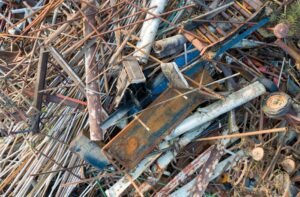
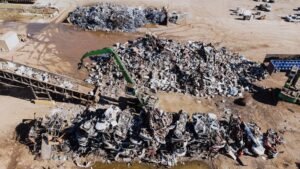
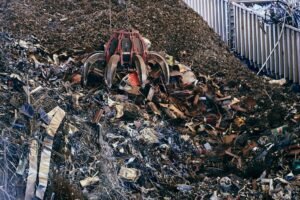
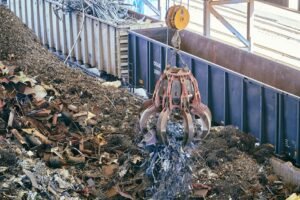
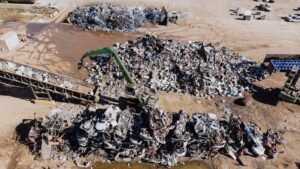
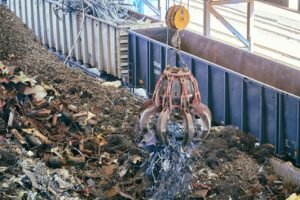
Junk iron, classified as ferrous scrap, constitutes Australia’s most recycled material by volume. Unlike non-ferrous metals like copper or aluminum, iron contains magnetic properties that make it easily separable in recycling facilities. The Australian scrap industry processes millions of tonnes annually, with ferrous metals representing over 80% of collected materials. Prices are typically quoted per kilogram for small quantities or per tonne for industrial volumes. The recycling process follows a continuous loop: collection → sorting → processing (shredding/compacting) → smelting → new steel production. This circular economy reduces mining demand by approximately 55% for every tonne of scrap processed, making accurate metal prices today critical for both economic and environmental sustainability.
Types of Junk Iron and Their Value Differences
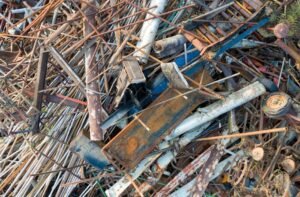
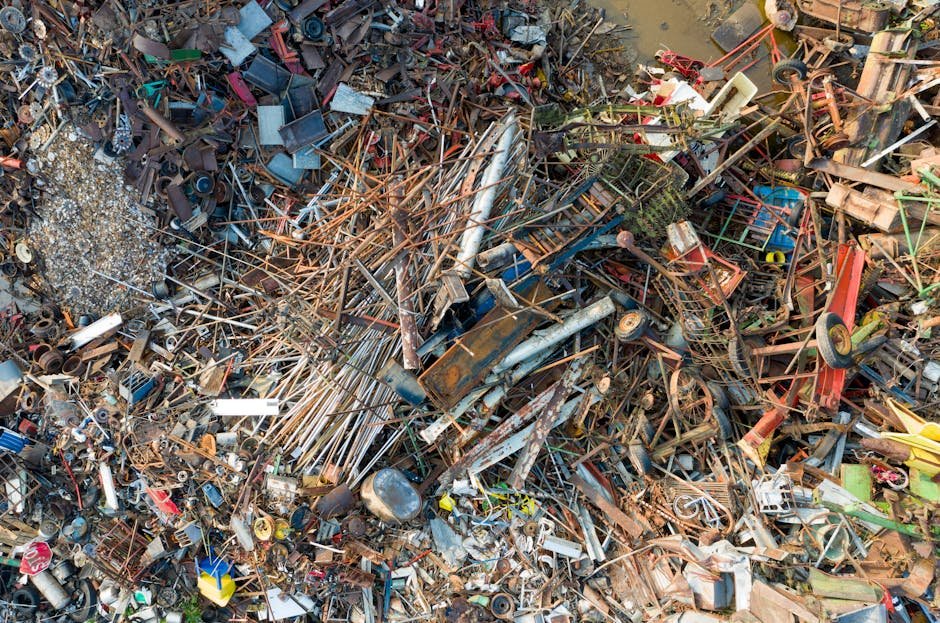
Not all iron scrap commands the same price per kg. Cast iron (recognizable by its brittle nature and granular fracture surface) commonly comes from engine blocks, pipes, and vintage appliances. It typically fetches $0.10-$0.15/kg due to high carbon content. Wrought iron (with fibrous appearance and corrosion resistance) from railings and decorative items often brings $0.15-$0.20/kg. Heavily contaminated or mixed ferrous scrap falls to $0.05-$0.10/kg. Specialized categories like ‘heavy melting steel’ (HMS) or ‘bundled steel’ command premium rates. For specific valuations, consult our dedicated Iron Scrap Group classifications or check the cast iron scrap price guide. Remember: clean, sorted materials always outperform mixed loads.
Current Junk Iron Prices in Australia (Per KG and Tonne)
As of Q3 2024, Australian junk iron prices average:
- Mixed ferrous scrap: $0.07-$0.12/kg ($70-$120/tonne)
- Clean cast iron: $0.11-$0.16/kg ($110-$160/tonne)
- Structural steel: $0.13-$0.18/kg ($130-$180/tonne)
- Prepared HMS: $0.15-$0.20/kg ($150-$200/tonne)
Prices vary significantly by state due to logistics and local demand. Queensland yards often pay 5-10% above national averages thanks to export proximity, while remote regions deduct transport surcharges. Most recyclers enforce minimum weights (typically 100kg+) for pickups. For real-time benchmarks, platforms like ScrapTrade offer live price boards aggregated from major yards. Note that these current scrap prices change daily – always confirm rates via our price for scrap iron tracker before delivery.
How Junk Iron Prices Are Determined
The junk iron price operates within a complex global pricing ecosystem. Key mechanisms include:
- Steel Mill Demand: Directly drives 70% of scrap value as integrated mills use ferrous scrap as feedstock. When BHP or BlueScope increase production, prices surge.
- Export Parity Pricing: Australia exports 55% of scrap to steel-hungry markets like Vietnam and India. Their import prices (quoted as CFR Asia rates) establish local baselines after deducting $60-$90/tonne for shipping/processing.
- Commodity Index Linkage: Iron ore futures on the Singapore Exchange influence virgin steel costs, creating substitution demand for scrap when ore exceeds $120/tonne.
- Domestic Yard Competition: Regional yard density impacts margins. Major cities with multiple buyers like Sydney maintain tighter spreads than single-yard towns.
Recyclers calculate offers using this formula: (International HMS Price – Processing Cost – Margin) × Purity Adjustment. This explains why two yards 50km apart may quote different iron price per kg figures.
Critical Factors Affecting Your Scrap Iron Value
Beyond global markets, seven localized elements impact what you’ll receive:
- Volume and Weight: Industrial loads (10+ tonnes) gain $10-$40/tonne premiums over small quantities due to processing efficiency.
- Contamination Levels: Rubber, dirt, or non-ferrous attachments reduce value. A 5% rubber content can trigger 15% price deductions.
- Preparation: De-greased, dismantled, and properly sorted scrap commands up to 25% more than mixed loads. Cut pieces under 1.5m maximize transport density.
- Location Accessibility: Urban yards pay more than rural operations. Sites within 50km of ports (Port Kembla, Newcastle) offer export-linked premiums.
- Market Timing: Quarterly contract negotiations between mills and recyclers create predictable price cycles – typically peaking in Q1/Q3.
- Currency Fluctuations: A weak AUD boosts export demand, lifting domestic price per tonne by 3-8% during currency dips below US$0.65.
- Regulatory Costs: License fees and EPA levies add $4-$7/tonne to yard overheads, indirectly affecting buy prices.
Maximizing Your Junk Iron Returns: Seller’s Guide
Implement these proven strategies to optimize your junk iron price per kg:
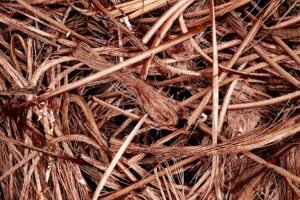
- Pre-Sorting Protocol: Separate ferrous from non-ferrous metals completely. Use magnets for verification – aluminum/brass contamination causes immediate downgrades. Reference our 1 Kg Brass Price In Australia guide for non-ferrous comparisons.
- Volume Aggregation: Combine loads with neighbors or hold materials until reaching 500kg+ minimums. Yards offer tiered pricing at 500kg, 2T, and 5T thresholds.
- Preprocessing: Remove non-metallic attachments (plastic, glass, rubber) completely. Cutting large items into compact pieces reduces yard labor costs, translating to better offers.
- Market Monitoring: Track Turkish import prices (global benchmark) via platforms like Scrap.Trade. Sell within 48 hours when export indices rise 2%+ consecutively.
- Documentation: Commercial sellers must provide material declarations and business details due to Anti-Theft regulations in all states.
Global Market Dynamics and Future Price Outlook
Australia’s junk iron prices remain tethered to international forces. The 2025 forecast shows moderate growth (3-5% annually) driven by:
- India’s infrastructure expansion requiring 25M+ tonnes of imported scrap annually
- Global decarbonization pushing electric arc furnace (scrap-dependent) production from 28% to 48% of steel output by 2030
- Export competition tightening as US/EU implement ‘green steel’ quotas favoring high-quality scrap
Risks include China’s property sector volatility and potential carbon border taxes. Long-term, analysts predict scrap shortages may lift price per kg by 40-60% by 2030. For non-ferrous comparisons, see our Aluminum Scrap Price In 2026 projections. Ferrous scrap will likely outperform industrial metals during economic recoveries due to construction demand elasticity.
Transforming Unwanted Iron into Optimal Value
Mastering the variables behind junk iron pricing empowers Australian sellers to convert waste into significant revenue streams. By understanding how global steel demand, material preparation, and market timing converge to determine your iron price per kg, you can strategically approach recycling with confidence. Consistently monitor current scrap prices, prioritize decontamination and volume building, and align sales with quarterly demand peaks. As the world accelerates toward circular steel production, informed recyclers will continue capturing maximum value from every kilogram of scrap iron – turning yesterday’s discarded metal into tomorrow’s economic and environmental asset.
Frequently Asked Questions (FAQs)
What’s the best way to get current junk iron prices before selling?
Contact licensed scrap yards directly for real-time quotes, as metal prices today fluctuate daily. Reputable yards update online price boards weekly, but phone verification remains essential for accuracy. Always specify exact material type, weight, and contamination levels for precise pricing.
Why does cast iron sometimes get lower prices than other scrap metal?
Cast iron contains 2-4% carbon, making it brittle and energy-intensive to purify during recycling. Its lower tensile strength limits reuse applications versus wrought iron or steel. However, bulk clean castings still outperform mixed ferrous – check specialized cast iron scrap price listings for favorable niches.
How often do scrap iron prices change in Australia?
Major yards adjust price per tonne weekly based on export contract shifts, though daily changes occur during volatile markets. Industrial contracts often reset quarterly. Subscribe to price alerts from platforms like ScrapTrade for timely notifications. Historically, March-May and September-November see the most significant movements.
Is it legal to sell junk iron without documentation in Australia?
No. All states require commercial sellers to provide photo ID and material origin documentation under metal theft prevention laws. Household recyclers under 100kg may be exempt, but yards retain transaction records. Non-compliance risks seizure and fines up to $7,500 under state legislation.
Frequently Asked Questions
What’s the best way to get current junk iron prices before selling?
Contact licensed scrap yards directly for real-time quotes, as metal prices today fluctuate daily. Reputable yards update online price boards weekly, but phone verification remains essential for accuracy. Always specify exact material type, weight, and contamination levels for precise pricing.
Why does cast iron sometimes get lower prices than other scrap metal?
Cast iron contains 2-4% carbon, making it brittle and energy-intensive to purify during recycling. Its lower tensile strength limits reuse applications versus wrought iron or steel. However, bulk clean castings still outperform mixed ferrous – check specialized cast iron scrap price listings for favorable niches.
How often do scrap iron prices change in Australia?
Major yards adjust price per tonne weekly based on export contract shifts, though daily changes occur during volatile markets. Industrial contracts often reset quarterly. Subscribe to price alerts from platforms like ScrapTrade for timely notifications. Historically, March-May and September-November see the most significant movements.
Is it legal to sell junk iron without documentation in Australia?
No. All states require commercial sellers to provide photo ID and material origin documentation under metal theft prevention laws. Household recyclers under 100kg may be exempt, but yards retain transaction records. Non-compliance risks seizure and fines up to $7,500 under state legislation.