
Navigating the landscape of laidley scrap metal requires a deep understanding of market dynamics, material classification, and the logistical realities of the Australian recycling industry. Whether you are a local contractor, a rural property owner clearing out old machinery, or an industrial business looking to optimize waste streams, knowing how to categorize and prepare your scrap is the difference between a minor payout and a significant revenue stream. As the Lockyer Valley continues to grow, the demand for efficient, high-capacity recycling services has never been higher, making it essential for residents and businesses to understand how to leverage the best local facilities. By engaging with professional services, you ensure that your materials are handled in compliance with environmental regulations while participating in a global supply chain that values resource recovery over raw extraction.
Understanding Scrap Metal Grades and Classification
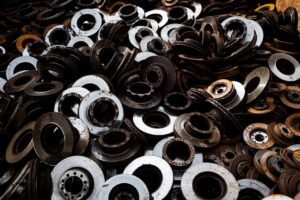
The foundation of the recycling industry lies in the precise classification of materials. Metals are broadly categorized into ferrous and non-ferrous groups, each commanding different market rates. Ferrous metals, which contain iron, are magnetic and include steel, cast iron, and wrought iron. These are the workhorses of the construction and automotive industries. In contrast, non-ferrous metals—such as copper, aluminum, brass, lead, and stainless steel—do not contain iron, possess higher corrosion resistance, and are significantly more valuable per kilogram. When dealing with laidley scrap metal, you must learn to identify these distinctions to ensure you aren’t underselling high-value materials like clean copper piping or bright wire.
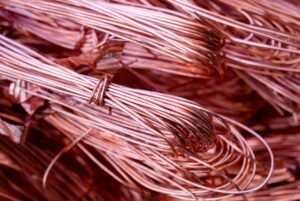
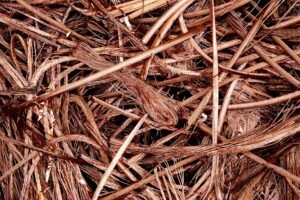
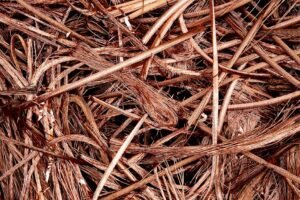
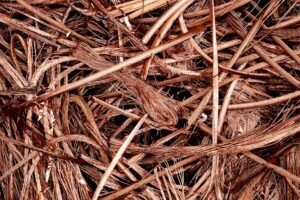
Copper is arguably the most sought-after metal in the recycling sector. It is graded based on purity, with ‘Bright and Shiny’ (Number 1 copper) being the gold standard, free of insulation, paint, or solder. Moving down the scale, ‘Number 2’ copper may contain minor oxidation or trace amounts of solder, which reduces the smelting efficiency and, consequently, the price. Aluminum is another critical commodity, often found in window frames, siding, and automotive parts. ‘Extrusion’ aluminum is highly valued, while ‘Cast’ aluminum, often found in engine blocks, contains more impurities and requires different processing techniques. For those looking to track the volatile shifts in these values, the Scrap Metal Prices page provides the necessary context to time your sales effectively. Understanding these grades allows you to separate your loads before arriving at the yard, which is the single most effective way to increase your profit margin.
The Mechanics of Professional Metal Recycling
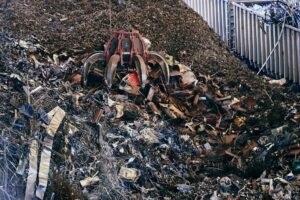
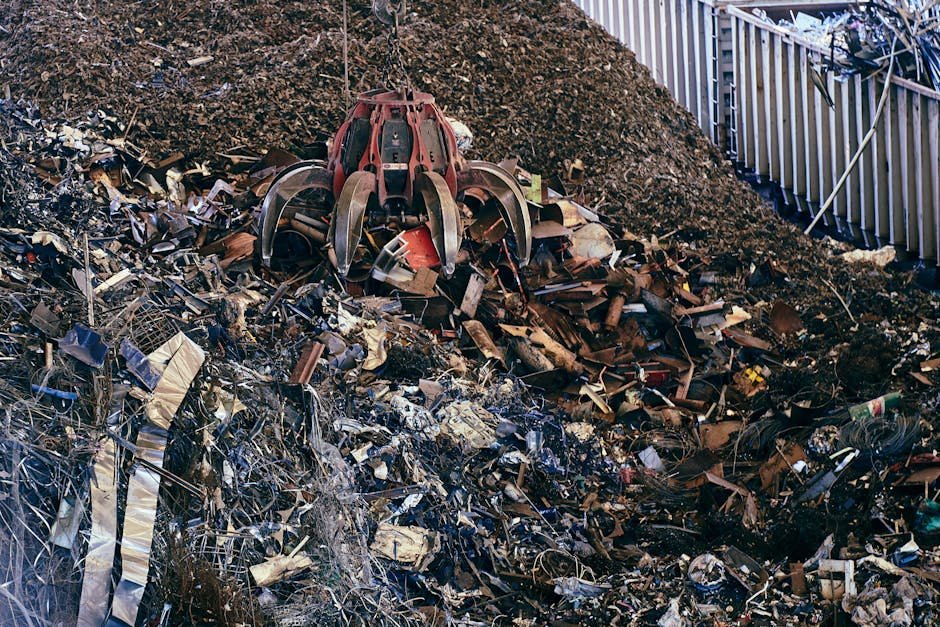
The recycling process is a complex industrial operation that transforms raw, often weathered scrap into high-grade feedstock for manufacturing. When you bring materials to a facility, the process begins with weighing and inspection. Advanced facilities use radiation detection and chemical analysis to ensure that no hazardous materials or contaminants enter the stream. Once accepted, the scrap undergoes shredding, shearing, or baling. Shredding is particularly important for mixed loads, as it allows magnetic separators and eddy current separators to distinguish between ferrous and non-ferrous materials automatically. This level of automation is what defines a modern, efficient laidley scrap metal operation, ensuring that even small quantities of metal are recovered rather than sent to a landfill.
For larger industrial clients, partnering with a firm like Crg Scrap Metal can provide a streamlined solution for high-volume waste management. These services often include the provision of specialized bins, scheduled pickups, and on-site dismantling, which removes the burden of logistics from your daily operations. The goal of these facilities is to achieve ‘closed-loop’ recycling, where the metal returned to the market is of high enough quality to be used in the production of new goods without significant loss of integrity. This saves massive amounts of energy compared to the traditional mining and smelting of virgin ores. If you are searching for a provider, using a tool to find a Metal Scrap Yard Near Me is the best way to minimize transport costs and lower your carbon footprint.
Environmental Benefits and the Circular Economy
The environmental case for metal recycling is overwhelming. Extracting virgin ore requires massive energy expenditure, significant land disruption, and the production of toxic tailings. By contrast, recycling aluminum saves approximately 95% of the energy required to produce the same amount of metal from bauxite ore. For steel, the energy savings hover around 75%. These savings directly translate to a reduction in greenhouse gas emissions, helping Australia meet its international climate commitments. When you recycle in Laidley, you are not just clearing space; you are actively participating in the preservation of natural resources for future generations. This is the essence of the circular economy: keeping materials in use for as long as possible, extracting the maximum value from them, and then recovering and regenerating products at the end of their service life.
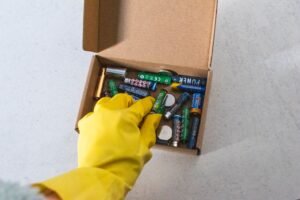
Beyond energy savings, recycling prevents heavy metals from leaching into the soil and groundwater. Old appliances, batteries, and electronic components contain lead, mercury, and cadmium, which are hazardous if left to decompose in a landfill. Professional recycling facilities are equipped to handle these materials safely, ensuring that hazardous components are isolated and disposed of according to strict environmental standards. For a deep dive into how these market factors influence the industry, consult the Ultimate Guide to scrap metal prices in Australia. By choosing to recycle, you are supporting a cleaner, more sustainable local environment and contributing to a more resilient national economy that is less dependent on imported raw materials.
Optimizing Your Scrap Collection Strategy
To maximize the efficiency of your scrap metal collection, you need a systematic approach to sorting. Do not mix your metals. If you have a heap of steel, keep it separate from your copper and aluminum. Contamination is the enemy of profit; a small piece of steel attached to an aluminum frame can downgrade the entire batch to a lower price point. Use magnets to test your metals before you even load them into your vehicle. If it sticks, it is ferrous; if it doesn’t, it is non-ferrous. For those managing construction sites or farm clean-ups, consider investing in basic tools like an angle grinder to remove non-metal attachments such as plastic, rubber, or wood. This ‘clean’ scrap is always worth more than ‘dirty’ scrap that requires labor-intensive processing at the yard.
Furthermore, timing your sales can be a strategic advantage. While you cannot predict the market with 100% accuracy, watching broader economic trends can help. When industrial manufacturing is high, demand for scrap rises, driving prices up. Conversely, during periods of economic slowdown, prices may dip. For the most reliable information on how to navigate these fluctuations, visit Scrap Trade for industry-leading insights. If you are a commercial operator, consider the value of long-term contracts. Many recycling firms offer tiered pricing structures for regular, high-volume contributors. This relationship-based approach ensures that you always get the best possible rate, regardless of short-term market volatility. Always verify that your chosen recycler is licensed and follows ethical disposal practices, as this protects you from potential liability issues associated with illegal dumping or improper waste management.
The Future of Metal Recycling in Australia
The Australian scrap metal industry is currently undergoing a digital transformation. From smart-weighing technologies that provide instant, transparent reporting to mobile applications that track market prices in real-time, the way we handle scrap is becoming faster and more reliable. For residents of Laidley, this means that the barrier to entry for recycling is lower than ever. You no longer need to be an industrial giant to participate; individual households and small businesses are now vital contributors to the supply chain. As we move toward a more digitized future, the importance of data-driven recycling will only increase. Knowing exactly what you have, how much it weighs, and what the current market value is will be standard practice for every savvy recycler.
The integration of advanced sorting technology, such as X-ray fluorescence (XRF) analyzers, allows recyclers to identify metal alloys with near-perfect accuracy. This means that even complex materials, like aerospace-grade titanium or specialized stainless steel alloys, can be correctly identified and valued. For the average person, this ensures that you are getting paid for the specific grade of metal you are providing, rather than a generic rate. For more information on how to prepare your materials for these advanced systems, you can visit Scrap Trade Australia to learn about the latest industry standards. The future of the industry is bright, characterized by higher recovery rates, lower environmental impact, and a more sophisticated understanding of the value embedded in our waste. By staying informed and engaging with professional, transparent recycling partners, you ensure that your contribution to this future is both profitable and impactful.
Case Study: Transitioning to Sustainable Waste Management
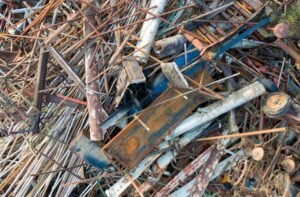
Consider a local agricultural business in the Lockyer Valley that had accumulated decades of rusted machinery, fencing wire, and obsolete irrigation equipment. Initially, the business viewed this as a disposal problem, planning to pay for a skip bin to send it all to the landfill. After a consultation with a professional scrap recycler, they realized the value of the material. By separating the steel from the copper wiring in the motors and the aluminum irrigation piping, they not only avoided the cost of landfill fees but actually generated a significant profit. This case study highlights the importance of re-evaluating what we consider ‘waste.’
The business implemented a simple ‘sort-at-source’ policy, where maintenance teams were trained to separate metals as they were removed from equipment. This reduced the time spent at the scrap yard and ensured that every load was clean and ready for processing. This shift in mindset transformed a liability into an asset. It is a perfect example of how laidley scrap metal management can be integrated into regular business operations. The key takeaway here is that professional recycling is not just about the final transaction; it is about the entire lifecycle of the material. By treating metal as a valuable resource rather than trash, you contribute to a more efficient local economy and a healthier planet. Whether you have a single ute-load or a multi-tonne industrial cleanup, the principles remain the same: sort, clean, and sell to a reputable professional.
Frequently Asked Questions
What is the most valuable scrap metal I can collect?
Copper is consistently the most valuable common scrap metal due to its high demand in electrical and plumbing industries. Specifically, ‘bright and shiny’ bare copper wire fetches the highest prices compared to insulated or oxidized copper.
How do I know if my scrap metal is ferrous or non-ferrous?
The simplest test is to use a magnet. If the magnet sticks to the metal, it is ferrous (contains iron, like steel or cast iron); if it does not stick, it is non-ferrous (like copper, aluminum, or brass).
Why is it important to clean my scrap metal before selling it?
Cleaning your scrap by removing non-metal attachments like plastic, rubber, or wood increases the purity of the material. Recyclers pay more for ‘clean’ scrap because it requires less processing time and labor to prepare for smelting.
Does the market price for scrap metal change often?
Yes, scrap metal prices are highly volatile and fluctuate based on global supply and demand, manufacturing activity, and commodity market trends. It is best to check current price lists or speak with your local yard shortly before you plan to sell.