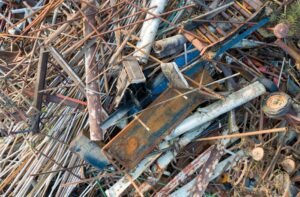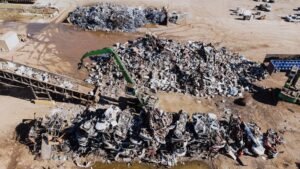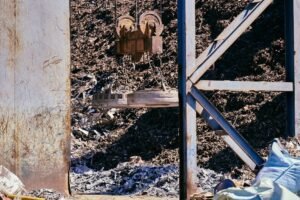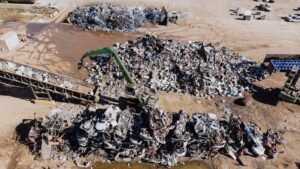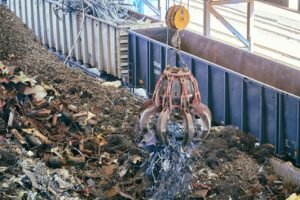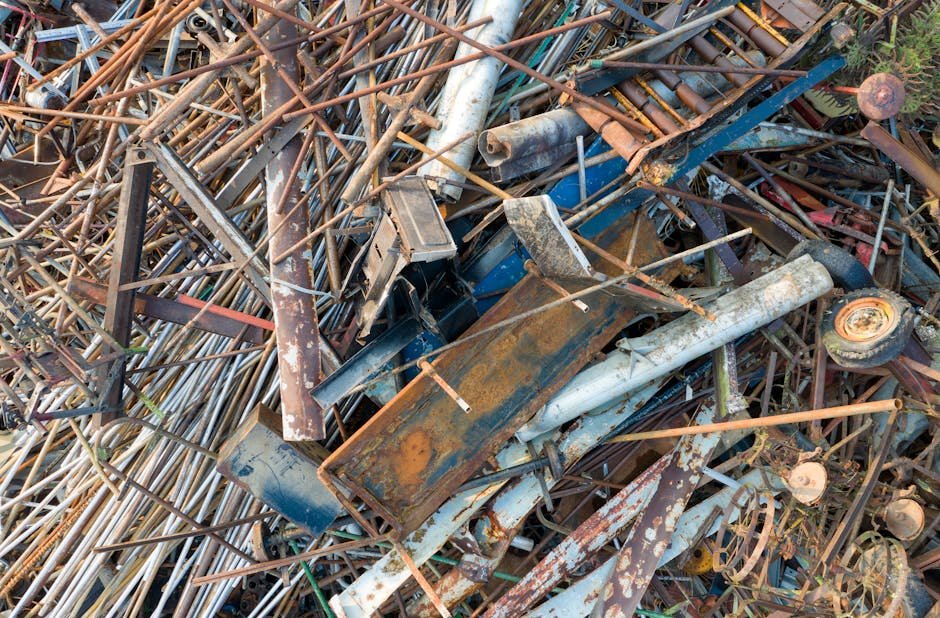

The term local scrap metal merchants griffith refers to licensed, regulated recycling businesses operating in and around Griffith, New South Wales, that specialize in purchasing, processing, and redistributing scrap metal. These entities serve as critical nodes in Australia’s circular economy, connecting individual and industrial suppliers with domestic and international markets. Whether you’re a resident clearing out old appliances or a contractor managing construction site waste, understanding how these merchants operate, the grades they accept, and the environmental impact of recycling is essential to making informed, profitable decisions.
Who Are the Local Scrap Metal Merchants in Griffith?
Griffith, located in the heart of the Riverina region, is more than just an agricultural hub—it’s a growing center for scrap metal recovery and recycling. The local scrap metal merchants griffith community includes licensed operators who comply with NSW EPA guidelines and Australian Standards for waste handling, material separation, and safe transportation. These businesses range from small, family-owned yards to larger facilities equipped with advanced sorting technology and digital transaction systems.
These merchants purchase scrap metal from a variety of sources: households, demolition crews, automotive repair shops, farmers, and industrial manufacturers. They then sort, weigh, and prepare the material for resale—either to domestic smelters or for export to global markets where recycled metal is in high demand. Some of the most reputable operations in the area offer transparent pricing, real-time weight tracking, and compliance documentation, ensuring both sellers and buyers operate within legal and ethical frameworks.
One key advantage of working with scrap metal griffith is proximity. Local access reduces transportation emissions and costs, making it easier for residents and businesses to recycle responsibly. Moreover, many of these merchants provide mobile collection services, especially for commercial clients with large volumes. They also maintain strict safety protocols, including PPE requirements, fire prevention systems, and non-ferrous metal storage zones to prevent contamination.
Understanding Scrap Metal Grades: What Buyers in Griffith Accept
To maximize returns when dealing with local scrap metal merchants griffith, it’s crucial to understand the grading system used across the Australian recycling industry. Scrap metal is categorized primarily into two types: ferrous and non-ferrous, each with sub-grades based on purity, form, and contamination levels.
Ferrous Metal Grades
Ferrous metals contain iron and are magnetic. They are generally less valuable than non-ferrous metals but are recycled in much larger quantities due to their prevalence in construction, automotive, and industrial equipment.
- Heavy Melting Steel (HMS 1 & 2): Clean steel pieces over 6mm thick, free of contaminants. HMS 1 is 100% steel; HMS 2 allows up to 10% of other metals or attachments. Common sources: structural beams, machinery frames.
- Shredded Steel: Processed through a hammer mill, this grade is used in electric arc furnace (EAF) steelmaking. Contaminants like copper or aluminum must be below 1,000 ppm.
- Steel Turnings: Swarf from machining processes. Must be dry and free of cutting fluids to avoid devaluation.
- Cast Iron: Includes engine blocks, manhole covers, and pipes. Often priced separately due to higher carbon content and melting characteristics.
Non-Ferrous Metal Grades
Non-ferrous metals do not contain iron, are non-magnetic, and typically command higher prices. Their value stems from energy efficiency in recycling—up to 95% less energy is required to remelt aluminum than to produce it from bauxite ore.
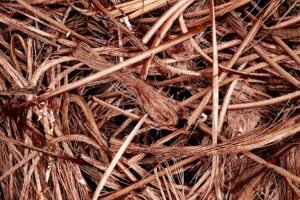
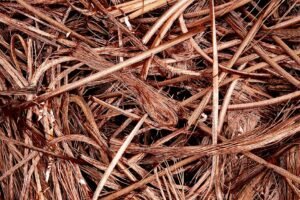
- Copper (Bare Bright, #1, #2): Bare Bright is clean, unalloyed, and uncoated copper wire (16 AWG or larger). #1 includes clean tubing or wire with minimal tarnish. #2 allows for minor insulation or solder. Copper is one of the most sought-after materials by local scrap metal merchants griffith.
- Aluminum (Clean, Mixed, UBC): Clean aluminum includes extrusions and sheet metal. UBC (Used Beverage Containers) refers to crushed drink cans. Mixed aluminum may include contaminated or alloyed pieces and is priced lower.
- Stainless Steel (304, 316): Identified by magnet test and spark analysis. 304 is common in kitchenware; 316 contains molybdenum and is used in marine environments. Both are priced by type and condition.
- Brass: Often sourced from plumbing fixtures and fittings. Must be free of steel or plastic components.
- Lead: Primarily from batteries. Requires special handling due to toxicity and is regulated under EPA waste codes.
Accurate sorting significantly affects payout. For example, mixing copper #2 with contaminated wire can reduce the rate by up to 30%. That’s why many local scrap metal merchants wetherill park and Griffith yards offer on-site grading assistance and training for regular suppliers.
How the Scrap Metal Recycling Process Works in Griffith
The journey from discarded metal to reusable raw material involves multiple stages, each critical to maintaining quality, safety, and marketability. This process is standardized across Australia but tailored locally by local scrap metal merchants griffith to meet regional demand and logistics.
Step 1: Collection and Drop-Off
Sellers bring scrap to the yard via personal vehicle or truck. Commercial clients may arrange scheduled pickups. Upon arrival, the load is inspected for hazardous materials (e.g., asbestos, PCBs in old transformers) and prohibited items (e.g., gas cylinders, radioactive sources).
Step 2: Weighing and Documentation
The vehicle is weighed empty (tare weight), then fully loaded (gross weight). The difference determines the net weight. Buyers use certified scales compliant with NSW Measurement Act standards. Sellers must provide ID and transaction records under the National Metal Theft Strategy.
Step 3: Sorting and Grading
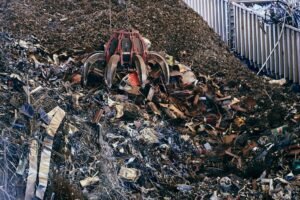
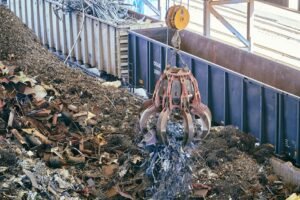
Materials are manually and mechanically sorted. Magnets separate ferrous metals. Eddy current separators eject non-ferrous metals like aluminum. XRF analyzers identify alloy compositions. Each batch is assigned a grade and stored accordingly.
Step 4: Processing
Ferrous metals are often sheared or baled for efficient transport. Non-ferrous metals may be granulated or melted in crucibles for purity testing. Copper wire is commonly stripped of insulation using mechanical shearing units.
Step 5: Storage and Redistribution
Processed scrap is stored in secure, segregated bays. Ferrous metals are typically shipped to domestic steel mills like OneSteel in Sydney or Whyalla. Non-ferrous metals, especially high-grade copper and aluminum, are often exported. For secure international transactions, merchants use platforms like Secure Scrap Metal Export Transactions to manage payments, shipping, and compliance.
This entire workflow ensures that recycled metal meets the specifications of downstream users—whether it’s feedstock for a smelter in Malaysia or raw material for a foundry in Melbourne.
Environmental Benefits of Recycling Through Local Merchants
Recycling scrap metal through local scrap metal merchants griffith delivers significant environmental advantages over primary metal production. These benefits include reduced greenhouse gas emissions, conservation of natural resources, and minimized landfill use.
- Energy Savings: Recycling aluminum saves 95% of the energy required for primary production. Steel recycling saves 60–75%. This directly reduces reliance on coal-fired power and lowers carbon intensity.
- Resource Conservation: Every tonne of recycled steel saves 1,100 kg of iron ore, 630 kg of coal, and 55 kg of limestone. In 2023, Australia recycled over 4.5 million tonnes of ferrous scrap, reducing mining pressure on Pilbara ecosystems.
- Landfill Diversion: Metals are non-biodegradable and can leach heavy metals into soil and groundwater. Recycling keeps over 90% of end-of-life appliances and vehicles out of landfills.
- Air and Water Pollution Reduction: Smelting recycled metal produces fewer particulates and sulfur oxides than processing raw ore. Modern recycling yards in Griffith use dust suppression systems and stormwater containment basins to prevent runoff contamination.
Furthermore, localized recycling reduces transportation emissions. By selling to scrap metal griffith instead of shipping waste to interstate facilities, suppliers cut diesel use and associated NOx emissions. This aligns with the Australian Government’s National Waste Policy Action Plan, which targets a 10% reduction in transport-related emissions from waste logistics by 2030.
Community-level engagement also fosters environmental awareness. Many local scrap metal merchants griffith host educational tours for schools and trade colleges, demonstrating how circular economy principles apply in real-world industrial settings.
Practical Tips for Selling Scrap Metal in Griffith
To get the best value and ensure a smooth transaction, follow these expert-recommended practices when working with local scrap metal merchants griffith.
- Sort Before You Sell: Separate materials by type and grade. Remove non-metal components like plastic, rubber, or wood. Clean metals fetch higher prices—wash off oil, grease, or dirt where possible.
- Know Current Market Rates: Prices fluctuate daily based on LME (London Metal Exchange) and SHFE (Shanghai Futures Exchange) benchmarks. Check Sell Scrap Metal Near Me In 2026 for up-to-date regional pricing trends and forecasts.
- Prepare Documentation: Bring photo ID and proof of ownership (e.g., job invoice, removal receipt). Businesses should have an ABN and waste transfer licenses if handling third-party materials.
- Time Your Sale Strategically: Prices often rise in Q4 due to increased industrial demand. Avoid selling during global economic downturns or shipping disruptions.
- Build Relationships with Buyers: Regular sellers can negotiate better rates, get priority processing, and receive alerts about premium pricing events (e.g., copper surges).
- Verify Yard Credentials: Ensure the merchant is licensed by NSW EPA, has public liability insurance, and uses calibrated, sealed scales. Look for membership in the Australian Recyclers Association (ARA).
For specialized materials like telecom infrastructure, refer to the Telecom Scrap Metal Selling Guide, which details how to handle copper-rich network cabinets, coaxial cables, and tower components—common finds in rural NSW.
Economic Impact of Scrap Recycling in Regional NSW
The scrap metal industry is a vital economic engine in regional areas like Griffith. It supports jobs in collection, sorting, logistics, and administration. According to IBISWorld, the Australian metal recycling industry generated $5.8 billion in revenue in 2023, with 42% of operations based outside major metropolitan areas.
In the Riverina, local scrap metal merchants griffith contribute to agricultural resilience. Farmers recycle old fencing wire, irrigation pipes, and machinery parts, turning obsolete assets into cash. This is particularly valuable during drought or low-commodity-price cycles.
Moreover, the export of high-grade non-ferrous scrap supports Australia’s trade balance. In 2022, scrap metal exports totaled 1.3 million tonnes, valued at AUD $1.7 billion, primarily shipped to Southeast Asia and India. These exports are facilitated through secure digital platforms such as Secure Scrap Metal Export Transactions, which ensure compliance with anti-fraud and customs regulations.
The industry also drives innovation in material recovery. Some Griffith-based recyclers are piloting AI-powered sorting systems and blockchain traceability to meet EU Circular Economy Action Plan requirements for imported scrap.
Future Trends in Scrap Metal Recycling and What It Means for Griffith
The scrap metal sector is undergoing rapid transformation due to technological advances, regulatory changes, and global demand shifts. Local scrap metal merchants griffith must adapt to remain competitive and sustainable.
One major trend is the rise of urban mining—the recovery of metals from electronic waste (e-waste). With Australia generating over 500,000 tonnes of e-waste annually, recyclers are investing in specialized facilities to extract gold, silver, palladium, and rare earth elements from discarded phones, laptops, and circuit boards.
Another development is the adoption of digital marketplaces. Platforms like Scrap.Trade connect sellers directly with buyers, offering real-time pricing, pickup scheduling, and instant payment. This transparency increases trust and reduces transaction friction.
Regulatory changes are also shaping the future. The NSW Government is tightening chain-of-custody requirements under the Waste Avoidance and Resource Recovery Act. By 2026, all scrap metal transactions over 100kg will require digital logging via the National Metal Theft Database.
Additionally, global demand for low-carbon steel is pushing smelters to prioritize recycled feedstock. The EU’s Carbon Border Adjustment Mechanism (CBAM) will impose tariffs on high-emission steel imports, increasing demand for Australian recycled metal, which has a lower carbon footprint due to efficient logistics and renewable energy integration.
For residents and businesses in Griffith, these trends mean greater opportunities to profit from recycling while contributing to climate goals. Staying informed through resources like Scrap Trade Australia ensures alignment with best practices and market developments.
Conclusion: Why Choosing the Right Local Merchant Matters
Selecting the right local scrap metal merchants griffith is about more than price—it’s about reliability, compliance, and environmental stewardship. The best operators offer fair pricing, transparent processes, and community engagement, ensuring that every kilogram of scrap contributes to a sustainable, circular economy.
By understanding metal grades, mastering the recycling process, and leveraging expert resources, you can turn waste into wealth while protecting the planet. Whether you’re clearing a garage or managing industrial decommissioning, the infrastructure and expertise exist locally to support you.
For more guidance, explore Sell Scrap Metal Near Me In 2026 for future market insights, or consult the Telecom Scrap Metal Selling Guide for niche material streams. With the right knowledge and partners, recycling in Griffith is not just responsible—it’s rewarding.
Frequently Asked Questions
What types of scrap metal do local scrap metal merchants in Griffith accept?
Local scrap metal merchants in Griffith accept both ferrous metals (like steel and iron) and non-ferrous metals (including copper, aluminum, brass, and stainless steel). They also handle specialized materials such as lead-acid batteries and insulated wire, provided they meet contamination and safety standards.
How are scrap metal prices determined in Griffith?
Prices are based on global commodity markets, particularly the London Metal Exchange (LME), and adjusted for local supply, demand, and processing costs. Grades, purity, and volume also influence the final payout, with non-ferrous metals typically commanding higher rates than ferrous.
Do I need identification to sell scrap metal in Griffith?
Yes, all sellers must provide valid photo ID under the National Metal Theft Strategy. Commercial sellers may also need an ABN and documentation proving ownership of the material to prevent theft and ensure traceability.
Can I recycle electronic waste at scrap metal yards in Griffith?
Many local scrap metal merchants in Griffith accept e-waste for recycling, especially items rich in copper and aluminum. However, hazardous components must be removed, and proper handling procedures followed to comply with EPA regulations.