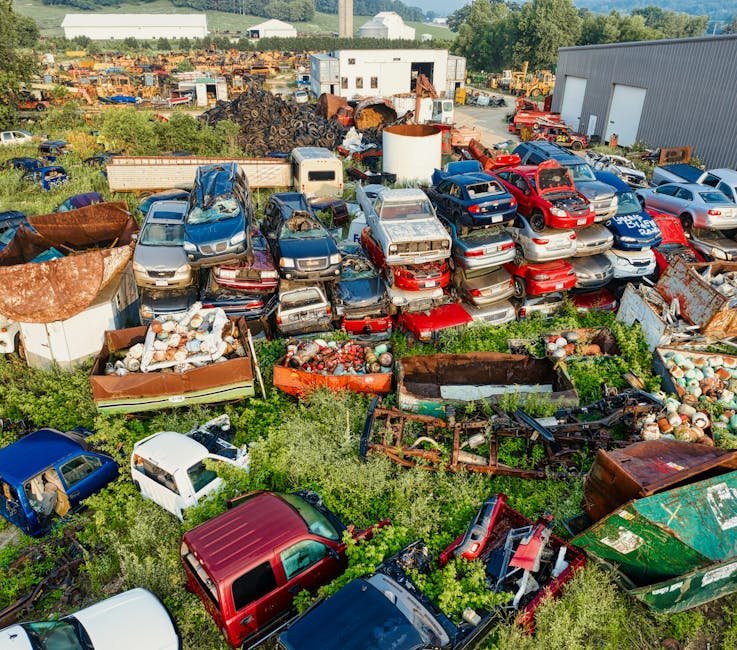

When you search for scrappers near me, you are taking the first step toward responsible waste management and potential financial gain. Australia’s scrap metal industry is a sophisticated network of collectors, processors, and exporters who transform discarded industrial and residential metal into valuable raw materials. Navigating this landscape requires understanding how your local scrap yard operates, how to identify different metal grades, and why the circular economy is vital for our nation’s future.
Understanding Scrap Metal Grades: Ferrous vs. Non-Ferrous
The foundation of the scrap industry is the distinction between ferrous and non-ferrous metals. Ferrous metals, such as iron and steel, contain iron and are magnetic. Common examples include structural steel beams, car bodies, and appliances. These are typically processed in high volumes. In contrast, non-ferrous metals—like copper, aluminium, brass, and lead—do not contain iron and are generally more valuable due to their scarcity and the energy required to mine them from scratch. Identifying these grades correctly is essential for maximizing your return when you visit a nearby recycler.
Copper, for instance, is graded based on purity. Bright shiny copper (Grade 1) commands the highest price, while copper with insulation or oxidation (Grade 2 or 3) is worth less because it requires additional processing. Aluminium is similarly graded; clean, cast aluminium is valued differently than aluminium cans or window frames. By separating your metals before heading to the closest dealer, you ensure that you receive the highest possible payout for your efforts. This level of preparation is what separates casual collectors from professional metal scrappers who understand the nuances of the commodity market.
How the Recycling Process Works
Once you drop off your materials at a local scrap yard, the recycling process begins in earnest. The facility first weighs the incoming load using certified weighbridges to determine the volume. Following weighing, the metal is sorted using a combination of manual labor, magnets, and advanced sensor-based technology. Ferrous metals are easily separated using large electromagnets, while non-ferrous metals require more precise methods, such as eddy current separators or X-ray fluorescence (XRF) analyzers, which determine the chemical composition of a piece of metal in seconds.
After sorting, the metal is shredded, sheared, or baled. Shredding breaks the metal into smaller, uniform pieces, making it easier to remove impurities like plastic, rubber, or glass. These purified fragments are then melted down in furnaces to create new metal ingots or billets. These ingots serve as the raw material for manufacturers across Australia and the globe, effectively closing the loop on production. This industrial innovation is a core focus of the sector, as highlighted in the article Scraptrade Recognises Sands Industries With The Australian Industrial Innovation Award 2025, which showcases how technology is driving efficiency in the recycling space.
Environmental Benefits of Scrap Metal Recycling
Recycling metal is one of the most effective ways to reduce our collective environmental footprint. Mining virgin ore is an energy-intensive process that involves massive land disruption, water pollution, and significant greenhouse gas emissions. By contrast, recycling steel uses approximately 75% less energy than producing it from virgin iron ore. For aluminium, the energy savings are even more staggering, reaching up to 95%. When you choose to recycle, you are directly contributing to the preservation of natural resources and reducing the need for destructive mining operations.
Furthermore, the scrap industry prevents millions of tonnes of metal from ending up in landfills each year. Landfills are not designed to handle heavy industrial metals, which can leach toxic chemicals into the soil and groundwater as they degrade. By utilizing a local pickup service or visiting a nearby recycler, you ensure that these materials are diverted into a sustainable supply chain. This commitment to sustainability is part of a broader global movement, as discussed in the international coverage of our platform: グローバル廃金属取引プラットフォームが正式サ and منصة تجارة الخردة العالمية تُطلق خدما.
How to Find and Evaluate Scrappers Near Me
Finding the right partner for your scrap needs involves more than just a quick Google search. When looking for scrappers near me, prioritize facilities that are transparent about their pricing and safety protocols. A professional scrap yard should provide clear signage, organized drop-off zones, and accurate, calibrated scales. It is also worth checking if the facility offers local pickup services for larger quantities, as this can save you significant time and transport costs.
Before you commit to a specific yard, consider their reputation. Do they have positive reviews? Are they members of professional associations like the Australian Metal Recycling Industry Association (AMRIA)? These organizations ensure that their members adhere to strict environmental and safety regulations. You can also explore the global scrap trading platform to understand how modern digital tools are connecting sellers with reputable buyers across the country. By leveraging these platforms, you can gain better insights into current market trends and ensure you are getting a fair deal for your materials.
Safety and Compliance in the Scrap Industry
Safety is the paramount concern in any scrap metal facility. Heavy machinery, sharp edges, and high-voltage equipment present constant risks. As a customer, you must follow the facility’s safety guidelines, which often include wearing high-visibility vests, steel-toed boots, and hard hats in designated zones. Never attempt to handle hazardous materials—such as pressurized gas cylinders, sealed containers, or items containing asbestos or radioactive materials—without consulting the facility staff first. These items are strictly regulated and can pose severe health risks to both you and the recycling facility staff.
Compliance with environmental regulations is equally important. Reputable scrap yards are required to manage fluid runoff (from cars or machinery) and ensure that hazardous waste is disposed of according to state and federal laws. When you deal with a professional, you are supporting a business that respects these regulations, which helps protect your local community from environmental contamination. Always ask if the facility is licensed to handle the specific type of scrap you are bringing in, especially if it involves complex industrial components.
The Future of Metal Recycling in Australia
The scrap metal industry is currently undergoing a digital transformation. The integration of blockchain, real-time pricing data, and automated logistics is making it easier than ever for businesses and individuals to participate in the circular economy. As we move toward a more sustainable future, the role of local recyclers will only grow in importance. By keeping metal in circulation, we reduce our reliance on imports and stabilize domestic supply chains. For those interested in the professional side of this industry, resources like Scraptrade Australia provide the necessary infrastructure to manage large-scale transactions and connect with industry leaders.
Whether you are a homeowner cleaning out a garage or a business owner managing industrial waste, the choice to recycle is a choice for the planet. The next time you search for scrappers near me, remember that you are part of a vital industrial ecosystem. Every kilogram of metal you recycle helps lower carbon emissions, conserves water, and supports the Australian economy. Stay informed, sort your materials, and choose partners who prioritize safety and innovation.
Practical Tips for Maximizing Scrap Value
To get the most out of your scrap, follow these expert tips. First, keep your metals clean. Remove any non-metallic attachments like plastic handles, wood, or glass. Second, sort your materials before you arrive at the yard. Mixing copper with steel will often result in the entire load being downgraded to the value of the cheapest metal. Third, keep an eye on the market. Scrap metal prices fluctuate daily based on global demand, so it is often worth holding onto your high-value metals until prices are favorable.
Fourth, build a relationship with your local yard. If you are a regular supplier, some facilities may offer better rates or priority service. Fifth, always ask for a receipt. This not only helps you track your earnings but also ensures that you have a record of the transaction for tax purposes. Finally, use digital tools to compare prices. There are several apps and websites that provide real-time updates on local scrap rates, ensuring that you are always well-informed before you make a trip to the closest dealer. By treating your scrap as a valuable commodity, you can turn what others see as waste into a profitable asset.
Related: グローバル廃金属取引プラットフォームが正式サ
Related: metal scrappers
Frequently Asked Questions
How do I know if my scrap is ferrous or non-ferrous?
The easiest way to tell is by using a magnet. If the magnet sticks to the metal, it is ferrous (like iron or steel); if it does not, it is non-ferrous (like copper, aluminium, or brass).
Do I need to clean my scrap metal before taking it to a yard?
Yes, cleaning your scrap by removing non-metallic parts like plastic, rubber, or wood will significantly increase its value. Most yards pay higher rates for clean, sorted material.
Are there items that scrap yards will not accept?
Most yards will not accept hazardous materials, such as sealed pressurized tanks, radioactive items, or materials containing asbestos. Always call ahead if you are unsure about a specific item.
How are scrap metal prices determined?
Prices are determined by global supply and demand, the current purity of the metal, and the costs associated with processing and transporting the material. These rates can fluctuate daily.