
When searching for reliable maddington scrap metal services, it is essential to understand the lifecycle of the materials you are handling. Whether you are a trade professional clearing a job site or a residential homeowner cleaning out a garage, the process of recycling metal is a cornerstone of the Australian circular economy. Our platform is designed to connect you with the best facilities, ensuring that your efforts contribute to a sustainable future while providing you with competitive financial returns for your materials.
Understanding the Maddington Scrap Metal Market
The industrial landscape in Western Australia has seen a significant shift toward sustainable waste management. Maddington, being a central hub for logistics and manufacturing, serves as a critical point for the collection and processing of scrap. When you engage with a professional facility for scrap metal maddington, you are participating in a global supply chain that values efficiency and environmental stewardship. The market for scrap is volatile, influenced by international commodity prices, local demand, and the logistical costs of transport. By staying informed about scrap metal prices, you can ensure that you are timing your sales for maximum profitability. Unlike the market conditions found in other regions, such as when looking for artarmon scrap metal, the Maddington region benefits from specific local industrial proximity to heavy manufacturing, which often results in better processing capabilities for large-scale ferrous scrap.
Categorizing Scrap: Ferrous vs. Non-Ferrous Metals
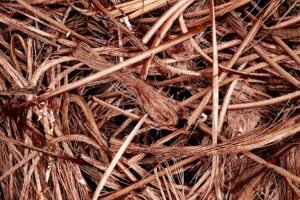
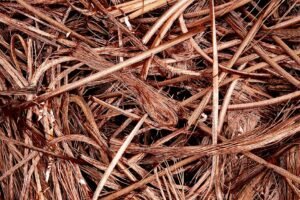
To be an effective scrap trader, you must be able to distinguish between the two primary categories of metal. Ferrous metals contain iron and are magnetic; these include steel, iron, and stainless steel. Because of their abundance, they are often recycled in massive quantities. Non-ferrous metals, on the other hand, do not contain iron and are generally more valuable. Examples include copper, aluminum, brass, lead, and zinc. If you are ready to monetize your collection, you can Sell Scrap Metal Near Me In 2026 through our verified network. Understanding the grade of your metal is the most important factor in determining the payout. High-grade copper, for instance, is stripped of insulation and contaminants to ensure it meets the purity standards required by smelters. When you bring your materials to a facility, the scale operators will assess the grade based on purity, weight, and current market demand.
The Process: How Recycling Works
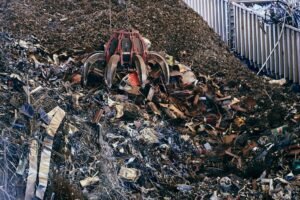
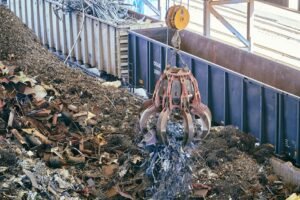
The journey from a discarded piece of metal to a new product is a multi-stage process. Once metal reaches a recycling yard, it undergoes a rigorous sorting process. Advanced technology, including X-ray fluorescence (XRF) analyzers and magnetic separators, is used to identify the exact composition of the scrap. Large-scale shredders then break down complex items, such as end-of-life vehicles or white goods, into smaller fragments. These fragments are then separated into their constituent parts—plastic, rubber, and various metals. Once separated, the metals are compacted into bales or melted down into ingots. This raw material is then sold back to manufacturers to be used in the production of everything from construction beams to consumer electronics. If you are looking for local services, our Scrap Metal Recycling Near Me tool helps you identify the nearest site equipped with the machinery necessary to process your specific volume of material.
Environmental Benefits of Metal Recycling
The environmental impact of recycling cannot be overstated. Mining for virgin ore is an energy-intensive process that results in significant habitat destruction, water pollution, and greenhouse gas emissions. By recycling one tonne of steel, we save approximately 1,100 kilograms of iron ore, 630 kilograms of coal, and 55 kilograms of limestone. Furthermore, recycling aluminum uses 95% less energy than producing it from raw bauxite ore. As a leader in the industry, Scrap Trade provides the data and infrastructure to ensure that these environmental savings are tracked and optimized. By choosing to recycle rather than sending your scrap to a landfill, you are directly reducing the carbon footprint of the Australian manufacturing sector. The Scrap Trade Australia portal offers additional resources for businesses looking to implement zero-waste policies in their daily operations.
Maximizing Your Returns: Practical Tips
To get the most value out of your scrap, preparation is key. Do not simply throw all your materials into a single bin. Sorting your metals by type—separating copper from steel, and clean aluminum from dirty aluminum—will significantly increase the price per kilogram you receive. Remove non-metallic attachments, such as plastic handles, wood, or glass, as these are considered contaminants and can lead to a lower grade classification. For large-scale industrial clients, keeping an organized yard and scheduling regular collections can reduce logistical costs. Always verify the weight on a calibrated scale and ensure that you are aware of the current market trends before heading to the yard. Consistency in your sorting habits will turn a casual scrap collection into a reliable revenue stream.
Safety and Compliance in Scrap Handling
Handling scrap metal involves inherent risks, including sharp edges, heavy objects, and potential exposure to hazardous substances. Always wear appropriate Personal Protective Equipment (PPE), such as high-visibility vests, steel-capped boots, and heavy-duty gloves. If you are dealing with old machinery, ensure that all fluids, such as oil or coolant, have been drained and disposed of in accordance with local environmental regulations. Compliance is not just about safety; it is about legal responsibility. Reputable scrap yards in Maddington operate under strict environmental licenses. By working with certified partners, you ensure that your materials are handled in a manner that protects the local ecosystem and complies with Western Australian waste management laws.
The Future of Metal Trading
The industry is moving toward a more digitized and transparent future. Technology is enabling real-time tracking of scrap movements, which helps in preventing the trade of stolen goods and ensures that all materials are accounted for. As we look toward 2026 and beyond, the integration of blockchain and AI-driven sorting systems will likely become the standard. This will make the process of selling and buying scrap more efficient for everyone involved. Whether you are a small-scale recycler or a large industrial firm, staying ahead of these technological trends is crucial for maintaining a competitive edge in the market. Our platform is committed to providing the latest insights and tools to help you navigate this evolving landscape.
Conclusion
Recycling is more than just a way to make extra money; it is a vital service that supports the health of our planet and the efficiency of our economy. From the initial collection of maddington scrap metal to the final smelting of recycled ingots, every step of the process plays a role in conserving natural resources and reducing industrial energy consumption. By understanding the grades of metal, preparing your materials correctly, and utilizing the right resources to find the best facilities, you can maximize your impact and your profit. We invite you to explore our tools and resources to stay updated on industry standards and market fluctuations. Start your journey toward responsible scrap management today and contribute to a cleaner, more sustainable Australia.
Related: Scrap Metal Prices
Frequently Asked Questions
What is the difference between ferrous and non-ferrous scrap metal?
Ferrous metals contain iron, are magnetic, and are generally more common, such as steel and iron. Non-ferrous metals, like copper, aluminum, and brass, do not contain iron, are non-magnetic, and typically command higher market prices due to their scarcity and utility.
How can I get the best price for my scrap metal?
The best way to maximize returns is to sort your metals by type and remove any contaminants like plastic, rubber, or wood. Clean, pure metal is always graded higher than mixed or dirty scrap, and checking current market prices before selling helps you time your transaction effectively.
Why is recycling scrap metal better for the environment?
Recycling metal significantly reduces the need for destructive mining of virgin ore, which saves vast amounts of energy and reduces greenhouse gas emissions. For example, recycling aluminum uses 95% less energy than producing new aluminum from raw materials.
Are there safety precautions I should take when handling scrap?
Yes, always wear appropriate PPE, including steel-capped boots, gloves, and eye protection to prevent injury from sharp edges. Additionally, ensure that any machinery or containers are free of hazardous liquids or chemicals before transporting them to a recycling facility.