
Navigating the complex landscape of scrap merchants requires a fundamental understanding of how the global metal market operates and how local Australian facilities process materials. When you decide to Sell Scrap, you are participating in a circular economy that is vital for the sustainability of modern manufacturing. Professional scrap merchants act as the critical link between raw waste generation and the production of high-grade, infinitely recyclable metal products. By leveraging the expertise of Scrap Metal Merchants, businesses and individuals can ensure that their waste is handled according to strict environmental regulations while receiving fair market value for their commodities. Understanding the nuances of Scrap metal classification is the first step toward maximizing your financial return and contributing to a cleaner Australian environment.
Understanding Metal Grades and Classification
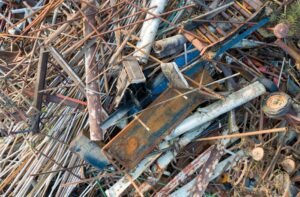
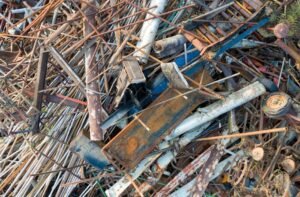
The value of your metal is determined entirely by its purity, chemical composition, and the ease with which it can be melted down for reuse. Ferrous metals, which contain iron, are the most common materials processed by scrap merchants. This category includes everything from structural steel beams and rebar to household appliances. Because iron is magnetic, it is easily separated from non-ferrous streams using industrial-grade magnets. The grade of ferrous metal is often dictated by its thickness and the presence of contaminants like plastic, rubber, or non-ferrous attachments. For instance, ‘Heavy Melting Steel’ (HMS) is a premium grade that commands higher prices than light sheet metal because it is cleaner and denser.
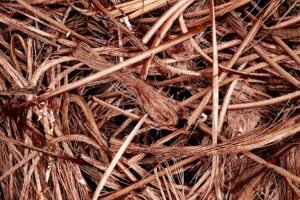
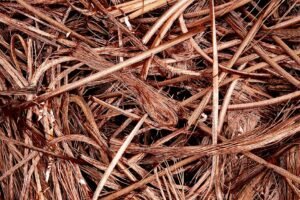
Non-ferrous metals, such as copper, aluminium, brass, and lead, represent the high-value segment of the industry. Copper is perhaps the most sought-after material due to its high conductivity and infinite recyclability. Merchants classify copper into grades like ‘Bright and Shiny’ (bare, clean wire) versus ‘Burnt’ or ‘Insulated’ wire. Aluminium is another staple, graded by its alloy type—such as 6063 extrusions or cast aluminium. Understanding these classifications allows you to sort your materials before arrival, significantly increasing your payout. If you are looking for local expertise, Australian recycling experts provide detailed grade sheets that help you identify exactly what you are holding.
The Lifecycle of Metal Recycling
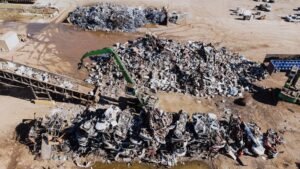
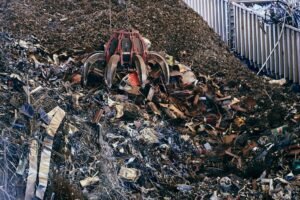
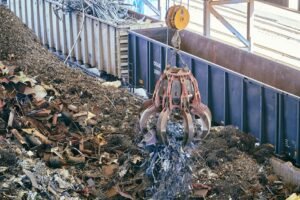
The process of recycling metal is a sophisticated industrial operation. Upon arrival at a facility, the material is weighed on certified scales to ensure accurate transaction data. Once accepted, the metal undergoes a rigorous sorting process. Advanced facilities use X-ray fluorescence (XRF) analyzers to identify the precise chemical composition of alloys, ensuring that high-value materials are not mixed with lower-grade scrap. This precision is what distinguishes top-tier Gmr Scrap operations from smaller, less equipped scrap yards. After sorting, the metal is processed through shredders, shears, or balers. Baling compacts large volumes of loose metal into dense cubes, making them cost-effective to transport to smelting plants.
The final stage involves smelting, where the scrap is melted in massive furnaces. The resulting molten metal is cast into ingots or billets, which are then sold back to manufacturers to create new products. This closed-loop system is incredibly efficient; recycling aluminium, for example, uses 95% less energy than producing it from virgin bauxite ore. By choosing to work with reputable merchants who invest in high-efficiency processing technology, you are ensuring that your waste is being transformed into a valuable resource rather than becoming landfill clutter. The industry-leading portal for scrap trading provides further insights into how these supply chains function on a national scale.
Environmental Benefits of Professional Recycling
The environmental impact of recycling scrap metal cannot be overstated. Every tonne of recycled steel saves approximately 1,100 kilograms of iron ore, 630 kilograms of coal, and 55 kilograms of limestone. These resource savings translate directly into a massive reduction in greenhouse gas emissions. Mining virgin ore is an energy-intensive process that disrupts ecosystems and consumes vast amounts of water. By recycling, we significantly lower the demand for raw material extraction, preserving natural landscapes and reducing the carbon footprint of the manufacturing sector.
Furthermore, recycling prevents the leakage of hazardous materials into the environment. Many discarded metal items, such as old electronics or lead-acid batteries, contain toxic substances that can leach into soil and groundwater if sent to a landfill. Professional merchants are equipped with the specialized infrastructure to safely extract these components, ensuring they are disposed of or treated in compliance with strict environmental legislation. This commitment to ‘green’ practices is a hallmark of modern, responsible scrap management. By partnering with merchants who prioritize environmental stewardship, you are actively participating in the reduction of Australia’s total waste profile.
Economic Advantages for Industrial Clients
For businesses in construction, demolition, and manufacturing, scrap metal is often viewed as a waste stream. However, when managed correctly, it becomes a significant revenue source. Developing a strategic partnership with a reliable merchant allows businesses to implement a structured collection program. This might include the placement of skip bins on-site, scheduled pickups, or specialized logistics support for large-scale demolition projects. By segregating scrap at the source—keeping copper separate from steel, and clean aluminium away from contaminated loads—businesses can maximize their rebates and turn a cost center into a profit center.
Case studies in the construction industry show that on-site sorting can increase the value of a scrap load by 20% to 40%. The key is education; when site managers understand the specific requirements of the merchant, they can streamline their internal operations. Beyond the financial gain, businesses benefit from the administrative support provided by professional merchants, including detailed reporting on waste diversion metrics. These reports are increasingly important for companies aiming to meet ESG (Environmental, Social, and Governance) targets and demonstrate their commitment to sustainable operations to stakeholders and clients alike.
Navigating Market Volatility
The scrap metal market is inherently volatile, influenced by global commodity prices, currency fluctuations, and international demand—particularly from major manufacturing hubs in Asia. Prices for copper, steel, and other metals change daily. Savvy sellers understand that market timing plays a role in their overall returns. While it is impossible to predict every market shift, working with a merchant who provides transparent pricing and market intelligence is essential. A professional merchant will often provide guidance on when to hold or sell based on current trends.
It is also important to consider the logistics of trading. Transporting heavy metal can be expensive, and fuel costs can eat into your margins. This is why many industrial clients opt for long-term contracts with merchants who offer comprehensive logistics solutions. These partnerships provide stability, ensuring that even when commodity prices dip, the logistics and handling costs remain predictable. By focusing on volume and consistency, you can build a resilient strategy that mitigates the risks associated with market fluctuations. Always prioritize merchants who offer clear, verifiable weighing processes and prompt payment terms.
Choosing the Right Partner
Not all scrap yards are created equal. When selecting a partner, look for certifications, transparency in pricing, and a commitment to safety. A high-quality merchant will be fully licensed, hold the necessary environmental permits, and provide a safe, organized environment for customers. Safety is paramount; look for facilities that have clear signage, designated drop-off zones, and well-maintained equipment. Furthermore, check for their ability to handle specialized materials, such as catalytic converters or complex electronic scrap, which require specific processing capabilities.
Customer service is the final differentiator. A good merchant treats every customer with respect, whether they are bringing in a single bag of copper wire or a multi-tonne load of industrial steel. They should be willing to answer questions about grading, provide advice on how to improve your sorting methods, and offer clear, itemized receipts for every transaction. By building a relationship with a trusted merchant, you gain a partner who is invested in your long-term success. Whether you are a small business owner, a tradesperson, or a large-scale industrial operator, the right partnership will provide the support you need to navigate the complexities of the scrap industry with confidence.
Frequently Asked Questions
How do I know which grade my scrap metal falls into?
Metal grades are determined by purity, alloy composition, and the absence of contaminants. You can identify them by checking for magnetism (ferrous vs. non-ferrous) and using visual guides provided by professional merchants to distinguish between clean and contaminated materials.
What is the most valuable scrap metal to collect?
Copper is consistently the most valuable common scrap metal due to its high demand in electrical and plumbing industries. High-grade aluminium and brass are also highly sought after and provide strong returns compared to standard steel.
How can I maximize the price I get for my scrap?
The best way to maximize returns is to sort your metals by type and grade before arriving at the merchant. Removing non-metal attachments like plastic, rubber, or wood significantly increases the purity and the price per kilogram.
Why is it important to use a licensed scrap merchant?
Licensed merchants ensure your scrap is processed in compliance with environmental laws and safety standards. They provide accurate weighing, fair market pricing, and proper documentation, which is essential for businesses tracking their waste diversion.