
In the modern Australian recycling landscape, the integration of advanced scrap metal brokerage and trading software has become the cornerstone of operational efficiency. As the industry shifts toward digital transformation, businesses that leverage data-driven insights are outperforming traditional competitors by optimizing their margins and supply chain transparency. Whether you are a small-scale collector or a large industrial recycler, understanding how to utilize specialized technology is no longer optional; it is a necessity for survival in a volatile global market.
The Evolution of Digital Scrap Metal Trading
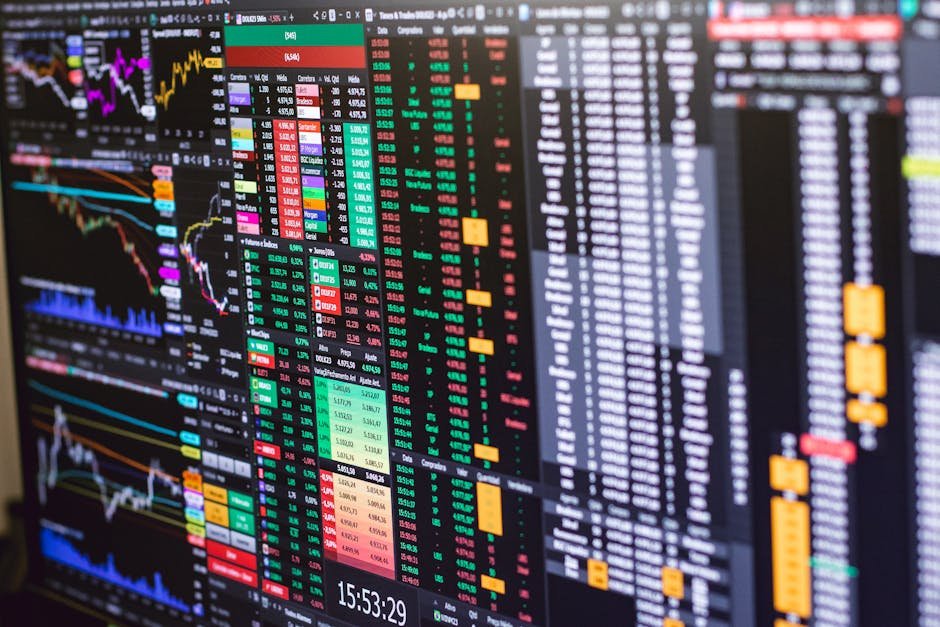
The scrap metal industry has historically relied on manual record-keeping, phone-based price negotiations, and fragmented logistics. Today, the introduction of scrap metal brokerage and trading software has revolutionized these workflows. By digitizing the procurement process, companies can now track real-time fluctuations in the London Metal Exchange (LME) and adjust their local buy prices accordingly. This agility is vital when managing high-volume transactions where a few cents per kilogram can dictate the difference between profit and loss.
For those looking to integrate these tools into their daily operations, exploring the scrap metal trading software landscape provides a competitive advantage. These platforms offer automated reporting, compliance documentation for environmental agencies, and integrated payment gateways. Furthermore, the leading scrap metal trading software 2024 solutions now include AI-driven predictive analytics that forecast market trends, allowing traders to hold inventory when prices are low and sell at the peak of market cycles.
To truly understand how these digital tools connect with physical infrastructure, it is helpful to look at established networks. For instance, Scrapuncle Your Go To Platform For Scrap Metal Trading serves as an excellent example of how digital connectivity bridges the gap between residential sellers and industrial buyers. By standardizing the communication process, such platforms ensure that quality standards are met before the material ever reaches the yard.
Understanding Scrap Metal Grades and Classification
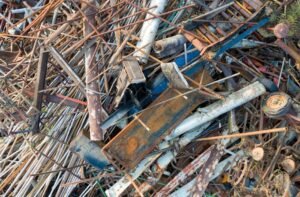
The value of scrap metal is entirely dependent on its grade and purity. In Australia, the ISRI (Institute of Scrap Recycling Industries) specifications are the gold standard, but local nuances exist. Ferrous metals, such as iron and steel, are graded based on their density, size, and contamination levels. Non-ferrous metals—including copper, aluminium, brass, and lead—command significantly higher prices but require precise identification.
Using scrap metal brokerage and trading software allows yard managers to input specific metal grades and automatically apply the relevant pricing formulas. For example, ‘Copper No. 1’ (bare bright wire) requires strict purity standards, whereas ‘Copper No. 2’ allows for minor oxidation or insulation. If your software isn’t correctly classifying these items, you are likely losing money on every transaction. For those seeking clarity on how to value their specific inventory, A1 Scrap Metal Prices Your Ultimate Guide To Trading provides the necessary context to ensure you are getting fair market value for your material.
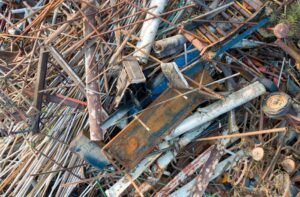
Effective grading also involves identifying contaminants. Plastics, rubber, and non-metallic attachments in scrap metal can lead to significant price deductions at the smelter level. Advanced software solutions now assist yard operators by providing checklists and visual guides for employees to verify the grade of incoming material, ensuring that ‘clean’ scrap is priced correctly compared to ‘dirty’ or ‘mixed’ loads.
How Modern Recycling Works: The Supply Chain
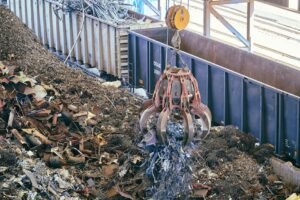
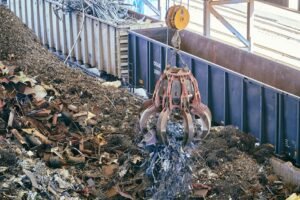
The recycling process is a sophisticated logistics operation. It begins at the collection point, where scrap is gathered from demolition sites, manufacturing facilities, or residential drop-offs. From there, the material is transported to a processing facility. Here, the material is sorted, shredded, and cleaned. Sorting is often done using magnetic separators for ferrous metals and eddy current separators for non-ferrous metals, followed by X-ray fluorescence (XRF) technology to determine exact elemental composition.
Once processed, the metal is baled or bundled into transportable units. This is where the brokerage aspect becomes critical. Brokers connect the processed material with global consumers, such as steel mills or aluminium refineries. If you are looking for a reliable partner in this physical stage of the supply chain, Mohawk Scrap Yard Your Go To Destination For Scrap Metal Trading offers the infrastructure needed to handle large-scale volume effectively. Their role is to ensure that the scrap moves from the yard to the end-user with minimal downtime, utilizing the very software systems that define modern trading.
For a broader perspective on the Australian market, you can visit professional scrap metal trading services in Australia to see how regional logistics are managed. The integration of technology ensures that every kilogram of metal is accounted for, from the moment it leaves the source until it is melted down into new raw materials.
Environmental Benefits and Circular Economy
The environmental case for scrap metal recycling is undeniable. Recycling aluminium, for instance, requires 95% less energy than producing it from virgin bauxite ore. Similarly, recycling steel saves approximately 75% of the energy needed for iron ore extraction and processing. By reducing the demand for mining, the scrap industry plays a pivotal role in preserving biodiversity and reducing carbon emissions.
Furthermore, scrap metal is a permanent material; it can be recycled infinitely without losing its inherent properties. This is the definition of a circular economy. When businesses use scrap metal brokerage and trading software to maximize their recovery rates, they are directly contributing to a reduction in landfill waste. Every tonne of metal recovered is a tonne of raw material that doesn’t need to be extracted from the earth, saving water and reducing the chemical runoff associated with traditional mining operations.
As Australia moves toward stricter environmental regulations, the ability to document the ‘green’ impact of your recycling operations is becoming a business requirement. Many software platforms now include carbon footprint calculators, allowing companies to report on the CO2 savings generated by their recycling activities. This data is increasingly valuable for ESG (Environmental, Social, and Governance) reporting, helping your business attract investors and partners who prioritize sustainability.
Practical Tips for Optimizing Your Trading Operations
To maximize the benefits of your trading platform, you must focus on data hygiene. Ensure that all incoming material is weighed on calibrated scales and that the data is entered into your system immediately. Real-time data entry prevents discrepancies between physical inventory and digital records, which is the most common cause of profit leakage in the scrap industry.
Another tip is to diversify your buyer base. Do not rely on a single smelter or broker. Use your software to compare offers from multiple international buyers. Often, the price difference between a domestic buyer and an export buyer can be substantial. By maintaining a network of contacts and using your software to track these price variations, you can strategically choose where to sell your material to achieve the best possible return.
Finally, invest in staff training. Even the best software is only as good as the person using it. Ensure your team understands the importance of accurate grading and data entry. When your entire team is aligned on the value of the digital system, the efficiency gains will be compounding. For more insights on industry standards, visit the official Scrap Trade portal to stay updated on the latest news and technical developments in the industry.
Future Trends in Scrap Metal Technology
The future of the industry lies in automation and blockchain. Blockchain technology is being explored to create ‘digital passports’ for scrap metal, verifying its origin and quality from the moment it is collected. This level of transparency will be essential for high-value metals like copper and nickel, where provenance is increasingly important to manufacturers who want to ensure their supply chains are ethical and sustainable.
Additionally, the rise of robotics in sorting facilities is changing how yards operate. Robots equipped with machine learning can now identify and sort scrap metal faster and more accurately than humans. When these robots are integrated with your trading software, you get a fully automated facility that can operate 24/7. This level of automation is the next frontier for the industry, and early adopters will likely dominate the market in the coming decade.
As we look forward, the shift toward more sophisticated software will continue. Companies that fail to adapt will find themselves at a disadvantage, struggling with manual processes and higher operational costs. By staying informed and utilizing the right tools, you can ensure your business remains at the forefront of the Australian scrap metal industry.
Conclusion
The scrap metal industry is no longer just about heavy machinery and physical labor; it is about data, precision, and global connectivity. By implementing robust scrap metal brokerage and trading software, you are setting your business up for sustainable growth and long-term profitability. From understanding the complexities of metal grades to embracing the environmental benefits of the circular economy, every aspect of your operation can be optimized through digital integration.
Whether you are just starting out or looking to scale your existing recycling business, the resources available at Scrap.trade provide the guidance you need to navigate this complex market. Remember that the key to success lies in the details—accurate grading, efficient logistics, and a commitment to transparency. As the industry evolves, those who leverage technology will not only survive but thrive in the competitive global scrap market.
Related: leading scrap metal trading software 2024
Frequently Asked Questions
What is the primary benefit of using scrap metal trading software?
The primary benefit is the automation of pricing, inventory management, and logistics, which significantly reduces human error and maximizes profit margins. It also ensures compliance with environmental regulations through accurate record-keeping.
How do I determine the grade of my scrap metal?
Scrap metal is graded based on purity, type, and the presence of contaminants, following international ISRI standards. You can use visual guides or XRF analysis tools to verify the grade before processing.
Why is the circular economy important in the scrap industry?
The circular economy is vital because it allows for the infinite reuse of materials without losing quality, drastically reducing the energy and environmental damage associated with virgin mining. This process preserves natural resources and lowers carbon footprints.
How does digital trading software help with environmental compliance?
Digital software tracks the entire lifecycle of the scrap, providing a clear audit trail for environmental authorities. This documentation proves that materials were recycled responsibly and helps businesses report on their CO2 savings.