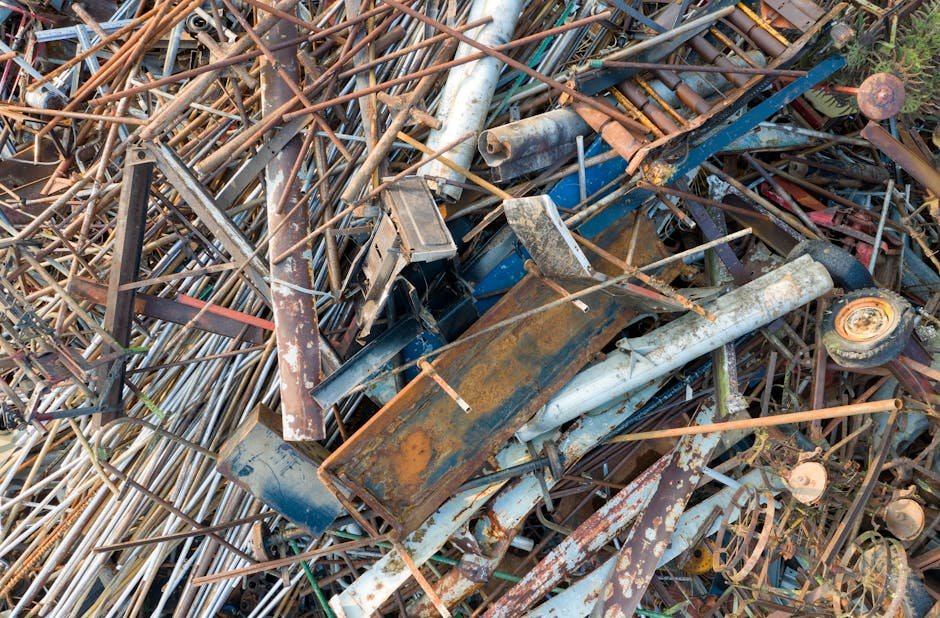

Navigating the landscape of scrap metal Innisfail requires a deep understanding of how global commodity markets intersect with local industrial needs. Whether you are a local contractor managing job-site waste or a resident clearing out a property, knowing the value of your materials is the first step toward successful recycling. By engaging with professional processors, you ensure that your materials are handled according to Australian environmental standards while securing the best possible financial outcome for your efforts.
Understanding Metal Grades and Market Value
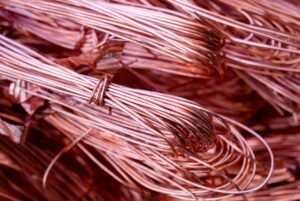
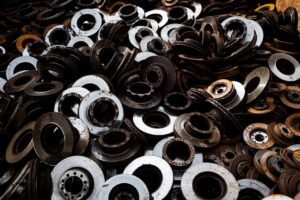
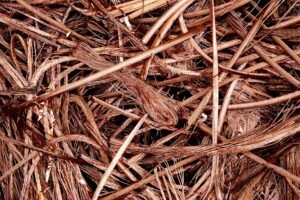
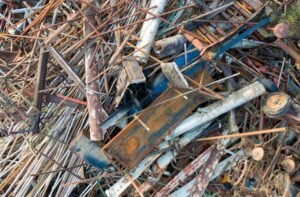
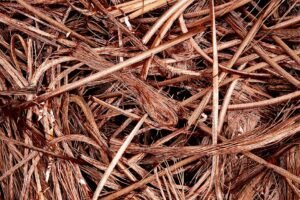
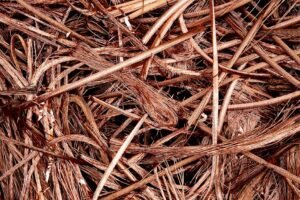
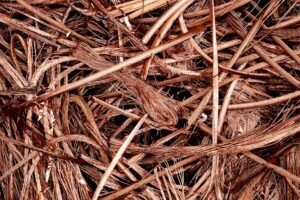
The profitability of your scrap depends entirely on your ability to categorize materials accurately. In the Australian market, metals are broadly split into ferrous and non-ferrous categories. Ferrous metals, such as steel and iron, are magnetic and generally lower in value per kilogram due to their abundance. Conversely, non-ferrous metals like copper, aluminum, brass, and lead are highly sought after for their conductivity and durability. Before heading to a facility, it is essential to check the latest Scrap Metal Prices to understand how supply and demand fluctuations affect your bottom line. Copper, for instance, often commands high prices due to its critical role in electrical infrastructure and renewable energy technology. Understanding these nuances helps you differentiate between low-grade ‘dirty’ scrap and high-grade ‘clean’ materials, which can significantly impact your payout.
The Professional Recycling Process
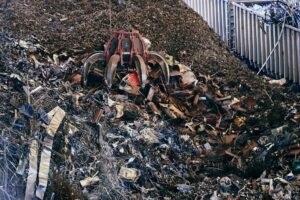
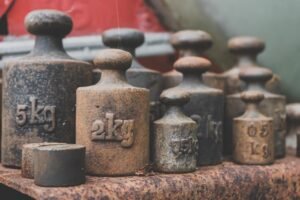
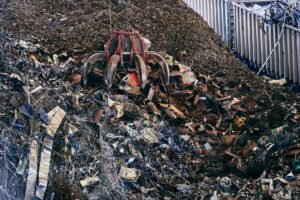
Recycling is not merely about dumping materials; it is a sophisticated industrial process designed to recover finite resources. Upon arrival at a facility, metals are weighed and inspected. They are then sorted using advanced technology, including magnetic separators for ferrous materials and X-ray fluorescence (XRF) analyzers for high-value non-ferrous alloys. After sorting, the metal is shredded, sheared, or baled. This preparation is vital for the smelting process, where the metal is melted down and cast into ingots for manufacturing. If you are looking for a reliable partner in the region, Crg Scrap Metal sets a benchmark for efficiency and transparent processing. By choosing a reputable yard, you ensure that your waste is diverted from landfills and reintegrated into the circular economy, which is a core tenet of sustainable waste management in Queensland.
Environmental and Economic Benefits
The environmental impact of recycling scrap metal cannot be overstated. Producing new metal from virgin ore is an energy-intensive process that requires mining, crushing, and extreme heat. Recycling, however, uses significantly less energy—for example, recycling aluminum saves up to 95% of the energy required to produce it from raw bauxite. In the context of scrap metal Innisfail, this means that every kilogram diverted from a landfill reduces the local carbon footprint and preserves natural landscapes. Beyond environmental gains, there is a strong economic incentive. The scrap trade supports jobs in logistics, processing, and manufacturing. When you recycle locally, you contribute to the regional economy and help stabilize the supply chain for Australian manufacturers who rely on recycled content to create high-quality goods. For a broader look at the industry, refer to the Ultimate Guide to scrap metal prices in Australia to see how regional recycling efforts align with national sustainability goals.
How to Maximize Your Scrap Returns
To get the most out of your scrap, preparation is key. Start by separating your metals; mixing aluminum with steel or leaving copper wire attached to plastic insulation will downgrade your material to ‘mixed’ scrap, which fetches a lower price. Clean your materials by removing contaminants like rubber, wood, or glass. If you have large quantities, consider contacting a Metal Scrap Yard Near Me to discuss specialized collection services or bin hire. Many yards offer better rates for bulk loads or pre-sorted materials. Keep a consistent inventory of your scrap types and monitor market trends on platforms like Scrap Trade to time your sales when prices are peaking. Consistency and cleanliness are the two biggest factors that separate casual recyclers from those who maximize their profit margins.
Navigating Regulations and Safety
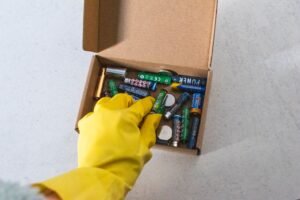
Safety is paramount when handling scrap metal. Sharp edges, heavy loads, and hazardous materials like lead or old electronics require proper handling gear, including gloves and steel-capped boots. Furthermore, be aware of local council regulations regarding the transport of industrial waste. Always ensure that the facility you choose adheres to EPA (Environmental Protection Agency) standards. Reputable recyclers, such as those listed at Scrap Trade Australia, maintain strict compliance protocols to ensure that hazardous components are disposed of safely and that no toxic substances enter the environment. By prioritizing safety and compliance, you protect yourself, your community, and the environment while maintaining the integrity of the recycling supply chain.
Future Trends in the Scrap Industry
The scrap metal industry is undergoing a digital transformation. From AI-powered sorting to real-time market tracking, technology is making the process more transparent and efficient than ever before. In regions like Innisfail, we are seeing a shift toward more sophisticated collection methods, including mobile apps for scheduling pickups and digital payment systems that offer instant, secure transactions. As the global demand for green steel and recycled copper continues to rise, the role of local recyclers becomes even more critical. By staying informed about these trends, you position yourself to benefit from a more modern, accessible, and profitable recycling ecosystem. Whether you are a professional tradesperson or a private individual, the future of scrap metal Innisfail is bright, driven by a collective commitment to sustainability and resource efficiency.
Conclusion: Your Role in the Circular Economy
Every piece of metal recycled is a success story for the planet. By choosing to recycle, you are actively participating in a global movement to reduce reliance on virgin resource extraction. The scrap industry is the unsung hero of the modern economy, turning yesterday’s waste into tomorrow’s infrastructure. Whether you are dealing with copper pipes, aluminum frames, or structural steel, your actions have a measurable impact. Use the resources provided in this guide to refine your sorting techniques, track market prices, and build relationships with professional recyclers. Together, we can ensure that Innisfail remains a leader in sustainable metal management, proving that environmental responsibility and economic growth go hand in hand.
Frequently Asked Questions
What is the difference between ferrous and non-ferrous scrap?
Ferrous metals contain iron and are magnetic, such as steel and iron, while non-ferrous metals do not contain iron and are non-magnetic, such as copper, aluminum, and brass. Non-ferrous metals are generally more valuable due to their specific properties and higher demand in manufacturing.
How can I get the best price for my scrap metal?
To maximize returns, always sort your metals by type and remove any contaminants like plastic, rubber, or wood. Monitoring current market prices and selling in bulk to reputable yards will also help you secure better rates.
Is it safe to recycle old electronics or appliances?
Yes, but ensure you choose a facility that is equipped to handle electronic waste, as some items contain hazardous materials like lead or mercury. Professional recyclers have the infrastructure to safely extract valuable components while managing toxic substances.
Why is recycling scrap metal better than mining new ore?
Recycling metal consumes significantly less energy and water compared to mining and refining virgin ores. It also helps reduce greenhouse gas emissions and prevents large-scale environmental degradation caused by traditional mining operations.