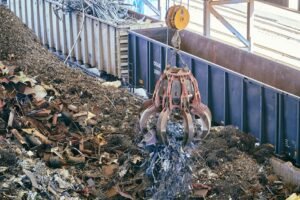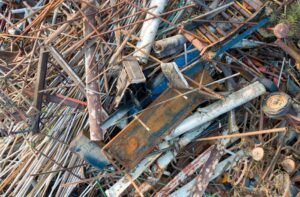

Navigating the complexities of the scrap metal industry requires a strategic approach, particularly when you are looking for a home in inurl:contact “contact* com” -india. Understanding the nuances of global and local market fluctuations is essential for any serious trader. Whether you are dealing with industrial waste or household collections, connecting with the right network is paramount. If you are searching for a reliable home in inurl:contact “contact* com” -india, you must evaluate the legitimacy and reach of the platform you choose to partner with. By focusing on high-quality scrap metal recycling, you contribute to a circular economy, reducing the environmental impact of mining virgin materials. For those who need to establish a professional connection, you can always Contact our team for expert guidance on market trends and logistics.
The Evolution of Scrap Metal Trading in Australia
The Australian scrap metal market has undergone a significant transformation over the last decade. Gone are the days of relying solely on physical yard visits; today, digital integration is the standard. When you look for a home in inurl:contact “contact* com” -india, you are essentially seeking a digital gateway that bridges the gap between waste generators and industrial processors. Australia’s robust regulatory framework, including the National Waste Policy, encourages businesses to adopt sustainable recycling practices. This shift has created a demand for sophisticated platforms where users can buy “info * com” -india in inurl:contact materials with confidence. By leveraging advanced data analytics, traders can now predict price movements and optimize their inventory turnover. The industry is no longer just about hauling metal; it is about data-driven decision-making. Whether you are a small-scale collector or a large industrial firm, your success depends on your ability to access real-time information. You can find comprehensive resources on our scrap metal trading platform to stay ahead of the competition.
Understanding Global Market Dynamics
While the Australian market is unique, it is deeply influenced by international trends. Traders often compare local rates with global benchmarks, which is why monitoring the Scrap Rate India is a common practice for those looking to understand broader supply chain pressures. Although our focus is on the Australian landscape, the interconnected nature of the global economy means that a shift in demand in one region can ripple across the world. For instance, when looking for a professional Scrap Dealer India, one might find insights into how international logistics and shipping costs affect the bottom line. It is crucial for Australian businesses to maintain a competitive edge by staying informed about these external factors. By utilizing our online “info * com” -india in inurl:contact portal, you gain access to a wealth of knowledge that helps you navigate these complexities. The goal is to maximize value while minimizing the carbon footprint associated with transport and processing.
Best Practices for Scrap Metal Collection and Sorting
Effective recycling starts at the source. Proper segregation of metals is the most critical step in ensuring high-value recovery. Ferrous metals, such as steel and iron, should be kept separate from non-ferrous metals like copper, aluminum, and brass. Contamination is the primary enemy of profit in the scrap industry. When you visit Scraptrade Australia, you will find detailed guides on how to properly categorize your scrap to ensure you receive the best possible market rates. Industrial sites should implement a systematic approach to waste management, ensuring that metal offcuts are collected immediately rather than being mixed with general landfill waste. Training your staff to recognize different metal grades—such as identifying the difference between insulated copper wire and bare bright copper—can significantly increase your revenue. Furthermore, keeping your storage area organized and safe is essential for compliance with Australian occupational health and safety standards. Always ensure that hazardous materials are handled by licensed professionals to prevent environmental contamination.
Logistics and Transportation Strategies
Once your scrap is sorted, the next challenge is logistics. Transporting large quantities of scrap metal requires specialized equipment and a deep understanding of weight regulations. For businesses operating across Australia, the cost of transport can quickly erode margins if not managed correctly. Utilizing a centralized platform allows you to coordinate pickups more efficiently, reducing empty-load travel times. This is where digital connectivity proves its worth. By integrating your logistics operations with a reliable trading platform, you can ensure that your scrap is moved to the nearest processing facility with minimal downtime. Consider the environmental benefits of optimizing your delivery routes; lower fuel consumption not only saves money but also aligns with corporate sustainability goals. Always verify that your transport partners are compliant with local environmental regulations, as improper disposal or transport can lead to significant legal liabilities.
The Role of Technology in Modern Recycling
Technology is the backbone of the modern scrap industry. From AI-powered sorting machines that use X-ray fluorescence (XRF) to identify metal alloys, to blockchain-based tracking systems that ensure supply chain transparency, the industry is becoming increasingly high-tech. For the average trader, this means having access to apps and platforms that provide instant pricing updates and inventory management tools. These digital solutions allow you to track your scrap from the moment it is collected to the point of final sale. This level of visibility is unprecedented and allows for more accurate financial forecasting. Businesses that fail to adopt these technologies risk falling behind in a market that rewards speed and precision. As we move toward a more digitized economy, the ability to leverage these tools will be the defining factor between successful enterprises and those that struggle to maintain profitability.
Regulatory Compliance and Environmental Responsibility
Australia has some of the strictest environmental regulations in the world, and for good reason. The recycling industry plays a vital role in preserving our natural landscapes. When you engage in scrap trading, you are responsible for ensuring that your activities do not harm the environment. This includes preventing soil and water contamination from leaking fluids, managing dust and noise levels in industrial zones, and ensuring that all hazardous materials are disposed of in accordance with the law. By partnering with reputable industry players, you ensure that your business operates within the legal framework. It is important to keep accurate records of all transactions, as these are often required for environmental audits. Transparency in your operations not only protects you from legal risks but also builds trust with your clients and partners, which is invaluable in the long run.
Future Trends: The Circular Economy
The concept of a circular economy is gaining momentum in Australia. Instead of the traditional “take-make-dispose” model, the focus is now on keeping materials in use for as long as possible. Scrap metal is a perfect example of this. By recycling steel, aluminum, and copper, we can save vast amounts of energy compared to mining virgin ore. The future of the industry lies in better design for disassembly, where products are created with their end-of-life recycling in mind. As a scrap trader, you are a critical link in this chain. By facilitating the recovery of these valuable resources, you are contributing to a more sustainable future. Keep an eye on emerging technologies such as automated recycling plants and advanced chemical recycling, as these will shape the market in the coming years. Stay informed, stay connected, and continue to prioritize quality and sustainability in every transaction you make.
Conclusion: Maximizing Your Potential
Successfully navigating the scrap metal market requires a combination of local knowledge, global awareness, and a commitment to operational excellence. By focusing on efficient sorting, strategic logistics, and the adoption of modern digital tools, you can significantly improve your profitability. Whether you are searching for a home in inurl:contact “contact* com” -india or looking for local Australian partnerships, the principles of transparency and quality remain the same. Remember that every piece of scrap you recycle is a contribution to a cleaner, more efficient economy. Continue to educate yourself, leverage the resources available on our platform, and maintain high standards in all your business dealings. The scrap industry is a dynamic and rewarding field for those who are willing to put in the effort to understand its complexities and embrace innovation.
Frequently Asked Questions
How can I ensure I get the best scrap metal rates?
To get the best rates, ensure your scrap is properly sorted and free of contaminants. Use digital platforms to compare real-time market prices and build long-term relationships with reputable buyers.
Why is it important to separate ferrous and non-ferrous metals?
Non-ferrous metals like copper and aluminum command significantly higher prices than ferrous metals like steel. Keeping them separate prevents contamination and ensures you receive the maximum value for each grade.
What are the environmental benefits of scrap metal recycling?
Recycling metal drastically reduces the need for energy-intensive mining and refining processes. It conserves natural resources and significantly lowers greenhouse gas emissions associated with metal production.
How do I find a reliable scrap metal partner in Australia?
Look for partners who are transparent about their pricing, compliant with environmental regulations, and have a strong digital presence. Using established platforms helps you verify the credibility of potential buyers.