
Navigating the complex landscape of scrap sharjah requires a deep understanding of market dynamics, material grading, and international environmental standards. As the UAE continues to position itself as a global logistics hub, the efficiency of the scrap metal sector has become a critical pillar of the circular economy. Whether you are an industrial manufacturer looking to Sell Scrap or a logistics firm managing end-of-life assets, understanding the nuances of metal recovery is essential for operational profitability. This guide serves as your definitive resource for Mastering Scrap in Sharjah: The Ultimate Industry Guide, ensuring you stay ahead in a competitive market.
The Anatomy of Metal Grades in Sharjah
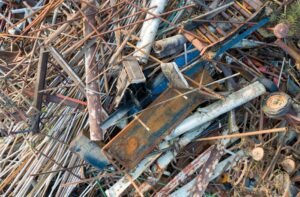
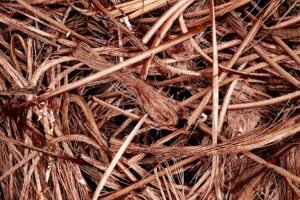
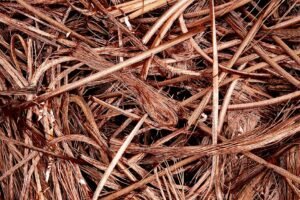
The value of your inventory is determined by its classification. In the context of scrap sharjah operations, scrap is broadly categorized into ferrous and non-ferrous metals. Ferrous metals, which contain iron, are magnetic and include steel, cast iron, and wrought iron. Non-ferrous metals, such as aluminum, copper, brass, and lead, are highly prized for their resistance to corrosion and their infinite recyclability. Precision in grading is the difference between a standard payout and premium pricing. For instance, clean copper wire (often referred to as ‘bright and shiny’) commands a significantly higher market price than lower-grade copper containing impurities like insulation or solder. Similarly, in the realm of Gmr Scrap, specific metallurgical standards must be met to ensure the material can be processed through secondary smelting facilities without compromising the integrity of the final product. Industrial players must utilize advanced sorting technologies, such as X-ray fluorescence (XRF) analyzers, to verify the elemental composition of their Scrap. By maintaining strict segregation protocols at the point of origin, companies can minimize contamination and maximize the yield of high-value alloys. Furthermore, the global trade of metals relies on standardized classifications like the ISRI (Institute of Scrap Recycling Industries) codes. Aligning your internal sorting processes with these international standards ensures that your material is ready for export or local processing without the need for additional handling. Always perform a magnetic test first, but remember that chemistry is the true arbiter of value. If you are dealing with high-volume industrial waste, investing in on-site baling or shearing equipment can significantly reduce logistics costs and increase the density of your shipments, making them more attractive to global buyers.
How the Recycling Process Transforms Waste into Wealth
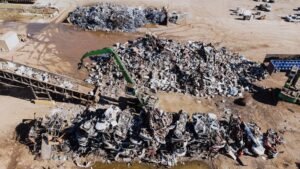
The journey from discarded metal to raw material is a sophisticated industrial process that underscores the importance of the scrap sharjah ecosystem. Once material is collected, it undergoes a multi-stage transformation. The first step is identification and sorting, where automated systems and manual labor separate metals based on their physical and chemical properties. This is where the sorting of non-ferrous metals becomes particularly critical, as contaminants like plastic, rubber, or glass can ruin an entire batch during the melting process. Following sorting, the material is shredded or sheared to reduce its volume and increase its surface-area-to-volume ratio. This step is vital for the melting process, as smaller pieces melt more uniformly. The shredded metal is then subjected to magnetic separation to pull out any remaining ferrous contaminants. Non-ferrous metals are often separated using eddy current separators, which use magnetic fields to repel non-ferrous conductive metals, effectively ‘throwing’ them into a separate collection bin. The final stage is melting and purification. The metal is fed into a furnace where it is heated to its melting point. During this phase, alloying elements may be added to adjust the chemical composition to meet specific customer requirements. The molten metal is then cast into ingots, billets, or slabs, which serve as the feedstock for new manufacturing. This closed-loop system is not just a method of waste management; it is a vital component of the global Australian scrap metal market and beyond, where recycled aluminum, for example, can be produced using only 5% of the energy required to create primary aluminum from bauxite ore. For businesses, this process is an opportunity to reclaim value from what was previously considered a liability.
Environmental Benefits and the Circular Economy
The environmental impact of recycling in the scrap metal industry is profound. By choosing to recycle rather than landfill, industries in Sharjah are actively contributing to the reduction of greenhouse gas emissions and the preservation of natural resources. Mining for virgin ores is an energy-intensive and ecologically damaging process that involves deforestation, water contamination, and massive carbon footprints. In contrast, the recycling of metals requires significantly less energy and prevents the accumulation of hazardous waste in landfills. For example, recycling steel saves approximately 75% of the energy required to produce it from raw materials. This energy savings directly correlates to a reduction in carbon emissions, helping companies meet their ESG (Environmental, Social, and Governance) targets. Furthermore, the circular economy model championed by the scrap industry ensures that materials remain in use for as long as possible. When a machine reaches the end of its life, its components are not merely discarded; they are harvested for their raw material content, which then fuels the production of new machinery. This cycle reduces the demand for virgin material extraction, protecting biodiversity and slowing the depletion of the Earth’s finite mineral resources. Companies that integrate robust recycling programs into their operations are not only improving their bottom line but are also positioning themselves as leaders in sustainable development. As regulatory pressures increase globally, the ability to demonstrate a clear chain of custody for recycled materials will become a competitive advantage. By partnering with reputable recyclers who prioritize transparency and ethical processing, businesses can ensure that their scrap contributes to a cleaner, more sustainable future.
Optimizing Logistics and Supply Chain Management
Effective scrap management is as much about logistics as it is about material science. In the Sharjah region, the proximity to major ports and industrial zones provides a unique advantage for those who can efficiently move material from the point of generation to the processing facility. A well-optimized supply chain minimizes the time that capital is tied up in inventory. For large-scale industrial generators, the key is to implement a ‘just-in-time’ removal schedule. This prevents the accumulation of large piles of scrap that can become safety hazards or occupy valuable floor space. Utilizing specialized containers and scheduling regular pickups ensures that your site remains clean and compliant with local health and safety regulations. Additionally, understanding the seasonality of metal prices is crucial for maximizing returns. Metal markets are highly volatile and influenced by global demand, particularly from manufacturing powerhouses like China and India. By monitoring these trends, you can time your sales to coincide with market peaks. It is also important to consider the cost of transportation versus the potential value of the scrap. For lower-value ferrous materials, logistics costs can easily erode profit margins. In such cases, local processing or consolidation is key. Conversely, for high-value non-ferrous metals, shipping over longer distances may be justified. Developing a long-term relationship with a trusted scrap partner who provides market insights and reliable logistics support is a strategic move that pays dividends. They can offer advice on how to better prepare your scrap—such as removing non-metallic attachments or sorting by alloy—to ensure you get the best possible price. Remember that in the scrap industry, information is as valuable as the metal itself. Stay informed about global supply chain disruptions, shifts in trade policy, and technological advancements that could impact the value of your materials.
The Future of Metal Recycling: Technology and Innovation
The future of the scrap industry is being shaped by rapid technological advancement. From AI-powered sorting robots to blockchain-based tracking systems, the industry is becoming more efficient and transparent than ever before. AI and computer vision are now being used to identify and sort metals with a level of speed and accuracy that human workers cannot match. These systems can distinguish between different grades of aluminum or copper alloys in milliseconds, significantly reducing the risk of contamination. Blockchain technology is also being explored as a way to provide an immutable record of the material’s origin and processing history. This is particularly important for industries that require certified ‘green’ materials to satisfy consumer demand for sustainable products. Additionally, the development of new smelting technologies is allowing for the recycling of more complex alloys that were previously considered ‘unrecyclable.’ These innovations are expanding the definition of what can be recovered, turning more waste into valuable resources. For businesses in Sharjah, embracing these technologies is not just an option—it is a necessity for those who want to remain relevant in a rapidly evolving market. Companies that invest in digital tracking and automated sorting will see lower operational costs, higher material purity, and better access to premium international markets. As we look ahead, the integration of these technologies will continue to drive the industry toward a more efficient and sustainable future, where the concept of ‘waste’ is replaced by the concept of ‘resource waiting to be recovered.’ Whether you are a small workshop or a large industrial plant, the ability to adapt to these technological shifts will determine your success in the years to come. Start by auditing your current processes and identifying areas where automation or better data management could provide an immediate boost to your recycling efficiency. The path to a more profitable and sustainable future is paved with the scrap of today.
Strategic Partnerships and Long-Term Value
Building a successful scrap management strategy requires more than just finding a buyer; it requires building a partnership. A strategic partner in the scrap industry acts as an extension of your business, providing the expertise and infrastructure needed to manage your waste stream effectively. This includes everything from providing the right collection equipment to advising on market timing and compliance. When selecting a partner, look for companies that have a proven track record, a commitment to environmental sustainability, and the necessary certifications to operate legally and ethically. Transparency is non-negotiable. You should have clear visibility into how your scrap is weighed, graded, and processed. Avoid partners who offer ‘black box’ pricing or who cannot provide documentation for the final destination of your materials. A good partner will also work with you to improve your on-site sorting processes, which can increase the overall value of your scrap. For example, they might suggest specific bin configurations or training for your staff on how to identify and separate different metal grades. By working together, you can turn your waste management from a cost center into a value-generating asset. Furthermore, long-term contracts can provide price stability in a volatile market, helping you to plan your budget more effectively. As the industry continues to evolve, having a partner who is at the forefront of technological and regulatory changes will ensure that your business remains compliant and competitive. The goal is to create a mutually beneficial relationship that supports your operational goals while contributing to the broader objectives of the circular economy. This is the foundation of long-term success in the scrap sharjah market and beyond. By focusing on quality, consistency, and strategic collaboration, you can ensure that your scrap metal operations are a model of efficiency and sustainability, providing reliable value for years to come.
Frequently Asked Questions
What are the primary differences between ferrous and non-ferrous scrap?
Ferrous metals contain iron and are magnetic, such as steel and iron. Non-ferrous metals, including copper, aluminum, and brass, do not contain iron, are non-magnetic, and generally command higher market prices due to their unique properties.
How can I maximize the value of my scrap metal?
Maximize value by keeping metals clean, dry, and strictly sorted by type. Removing non-metallic contaminants like plastic, wood, or rubber significantly increases the grade and, consequently, the price you receive.
Why is metal recycling considered essential for the environment?
Metal recycling saves massive amounts of energy compared to producing virgin metal from ore, while also reducing the need for destructive mining practices. It lowers carbon emissions and keeps valuable materials out of landfills, supporting a circular economy.
What role does technology play in modern scrap recycling?
Modern recycling relies on advanced sorting technologies like X-ray fluorescence and eddy current separators to ensure high purity. AI and blockchain are increasingly used to automate sorting and provide transparent tracking of material origins.