
The Australian scrap metal industry is a thriving sector that plays a vital role in the nation’s sustainability efforts. With growing demand for recycled materials, many homeowners, businesses, and hobbyists are looking to turn unwanted metal into cash. Understanding how to navigate the market, choose reliable buyers, and stay compliant with regulations can make the process smooth and profitable.
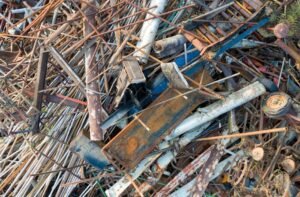
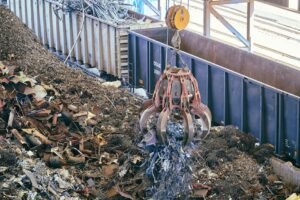
Before you start selling, it’s essential to sort and clean your metal. Separate ferrous and non‑ferrous metals, remove any hazardous components, and bundle similar items together. This not only speeds up the weighing process but also helps you avoid paying for impurities or contamination. Many local recyclers offer free or low‑cost sorting assistance, so take advantage of these services when they’re available.
Choosing a reputable buyer is one of the most critical decisions. Look for companies that are licensed, have transparent pricing, and offer fair payment terms. A great example is https://scrap.trade, which connects sellers with verified buyers across the country, ensuring you get competitive rates and reliable payouts. Verify that any potential buyer follows Australian safety and environmental standards before handing over your metal.
Pricing in the scrap market is influenced by several factors: the type of metal, its purity, current market demand, and even seasonal fluctuations. Keep an eye on industry reports and commodity charts to gauge when to sell. Additionally, always check local regulations regarding the transport and sale of scrap; many states require specific permits or safety measures, especially for large quantities.
For long‑term success, consider building a network of regular buyers and suppliers. Attend local recycling fairs, join industry groups, and stay informed about new recycling technologies. By investing in proper storage, handling equipment, and continuous education, you can reduce waste, improve your profit margins, and contribute positively to Australia’s circular economy.