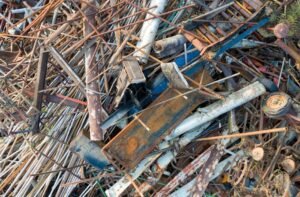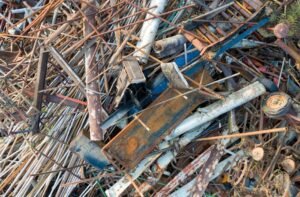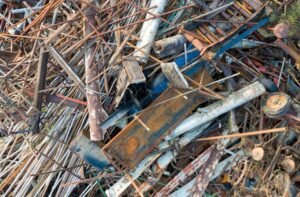

Finding reputable metal collectors near me is the first step toward turning unwanted industrial waste or household clutter into a profitable asset. In Australia’s evolving circular economy, the efficiency of your recycling process depends heavily on choosing the right partner. Whether you are a tradesperson clearing a job site or a homeowner with a pile of copper wiring, identifying the closest dealer is essential for logistics and fuel efficiency.
When you search for metal collectors near me, you are not just looking for a bin; you are looking for a professional facility that adheres to environmental regulations and provides transparent, market-linked payouts. Navigating the scrap industry requires an understanding of how materials are graded, how weight is verified, and how to secure the best Metal Prices for your haul.
Understanding the Role of Professional Scrap Metal Collectors
The scrap metal industry acts as the backbone of Australia’s manufacturing supply chain. Professional metal collectors near me serve as the primary interface between the waste stream and the smelting industry. By aggregating small quantities of scrap from individuals and businesses, these collectors ensure that high-value materials like aluminium, copper, brass, and stainless steel are diverted from landfills and returned to the production cycle.
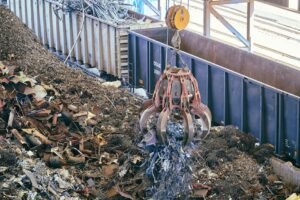
Modern collectors have moved beyond the traditional image of a rusty metal junkyard. Today, they operate as sophisticated logistics hubs. They utilize precision-calibrated scales, advanced sorting technology (such as X-ray fluorescence analyzers), and efficient transport fleets. When you engage a professional service, you are ensuring that your materials are handled in compliance with the Australian Environment Protection Authority (EPA) guidelines. This is particularly important for hazardous scrap, such as lead-acid batteries or materials containing residual oils, which require specialized disposal methods.
How to Locate the Best Nearby Recycler
Choosing the right partner involves more than just proximity. While finding a nearby recycler is convenient for small loads, larger commercial projects require a partner with the capacity for bulk handling and scheduled logistics. To evaluate your options, consider the following criteria:
- Certification and Compliance: Ensure the facility holds all necessary state-based environmental licenses.
- Transparency in Pricing: A reputable dealer will be open about their pricing structure and how they determine the grade of your metal.
- Equipment Capabilities: Do they have drive-on weighbridges for large vehicles? Do they offer skip bin services for ongoing job sites?
- Customer Service and Safety: A professional yard should have clear signage, designated drop-off zones, and a commitment to workplace health and safety.
For those looking to streamline their efforts, our scrap metal trading platform provides a centralized hub to connect with verified buyers across the country. By utilizing digital tools, you can avoid the guesswork and focus on maximizing the value of your scrap.
Maximizing Returns: Tips for Preparing Your Scrap
Preparation is the single most effective way to increase your payout. When you visit a local scrap yard, the speed and accuracy of the transaction depend on how well your materials are sorted. Mixed loads are often purchased at the lowest common denominator price, whereas segregated metals command premium rates.
Start by separating ferrous metals (iron and steel) from non-ferrous metals (copper, brass, aluminium). Non-ferrous metals are significantly more valuable and should always be kept separate. Remove any non-metallic contaminants like plastic, rubber, or wood, as these add weight that will be deducted from your final payment. If you are dealing with copper wiring, determine if stripping the insulation is worth the labor—often, clean, bright copper fetches a much higher price than insulated wire.
If you are planning to Sell Scrap Metal Near Me In 2026, staying ahead of market trends is vital. Commodity prices fluctuate based on global demand, currency exchange rates, and industrial output. Regularly checking our price index helps you decide the optimal time to sell your accumulated stock.
The Logistics of Local Pickup and Industrial Waste
For large-scale operations, transporting heavy scrap can be a logistical challenge. Many professional scrap metal collectors offer local pickup services, which can save you significant time and fuel costs. This is particularly beneficial for demolition contractors, automotive workshops, and manufacturing plants that generate high volumes of scrap on a weekly or monthly basis.
When arranging a pickup, ensure you have a clear inventory of the materials being collected. Some collectors offer specialized bins or roll-on/roll-off containers that can be left on-site for a set period. This keeps your workspace clean and improves safety by removing trip hazards. Always confirm the terms of the pickup, including any potential haulage fees, to ensure the service remains cost-effective for your bottom line.
Environmental Impact and Sustainable Recycling
Recycling metal is one of the most environmentally impactful actions an individual or business can take. It requires significantly less energy to refine recycled metal than it does to mine and process virgin ore. By choosing to work with a responsible local scrap yard, you are actively reducing the carbon footprint of the Australian manufacturing sector.
The process of recycling also reduces the need for landfill space. Metals like aluminium can be recycled infinitely without losing their properties, making them a perfect candidate for a circular economy. When you engage with a professional collector, you are contributing to a system that prevents toxic heavy metals from leaching into the soil and groundwater. For those interested in the broader impact, our resources at Scrap Trade Australia provide deeper insights into the sustainability benefits of domestic metal recovery.
Navigating the Closest Dealer: A Step-by-Step Approach
If you are new to the world of scrap, the process can feel overwhelming. Follow this simple workflow to ensure a smooth transaction at the closest dealer:
- Inventory: Identify what you have. Use a magnet to distinguish ferrous from non-ferrous metals.
- Cleaning: Remove obvious attachments like steel screws from aluminium frames.
- Research: Check the current market rates for your specific material grades.
- Contact: Call the yard ahead of time if you have a large or unusual load to ensure they have the capacity to process it.
- Verification: Watch the weighbridge process. A reputable yard will allow you to see the readout clearly.
- Payment: Ensure you receive a receipt detailing the weights and grades for your records.
For those living in urban centers, finding a metal junkyard that is accessible and clean is a priority. Many modern facilities have moved to industrial zones on the outskirts of cities to accommodate heavy vehicle traffic while remaining within a reasonable distance of their client base. Always prioritize yards that provide clear, digital weight tickets, as this is the industry standard for financial transparency.
The Future of Metal Recycling in Australia
The industry is currently undergoing a digital transformation. From automated sorting robots to blockchain-based tracking of recycled materials, the way we handle scrap is becoming more efficient and transparent. As we look toward the future, the integration of technology will make finding metal collectors near me easier than ever, with real-time data on capacity, pricing, and environmental impact metrics.
Whether you are a casual recycler or a commercial entity, staying informed is key. We encourage you to explore our comprehensive guide on Metal Recycling Near Me to understand the specific regulations and opportunities in your region. By participating in this ecosystem, you are not just clearing out clutter; you are participating in a vital economic and environmental process that supports Australia’s industrial future.
Conclusion: Taking Action
Finding the right metal collector is a balance of logistics, pricing, and trust. By following the steps outlined in this guide, you can ensure that you are getting the best value for your scrap while supporting sustainable practices. Remember, the scrap metal market is dynamic—staying updated on current trends and building a relationship with a reliable local partner will pay dividends in the long run.
Start your journey today by assessing your current scrap inventory, preparing it for transport, and using our directory to find the most professional collectors in your area. Your contribution to the circular economy is valuable, and with the right approach, it can be a significant source of revenue for your business or household. Always prioritize safety, transparency, and environmental responsibility in every transaction.
Related: metal junkyard
Frequently Asked Questions
How do I know if my scrap metal is worth money?
Most metals, especially non-ferrous ones like copper, aluminium, and brass, have significant resale value. You can check current market rates on our price index to see if your haul is worth the trip to the local yard.
What is the difference between ferrous and non-ferrous metal?
Ferrous metals contain iron and are typically magnetic, such as steel and iron. Non-ferrous metals, such as copper, aluminium, and lead, are non-magnetic and generally command higher prices at scrap yards.
Should I strip copper wire before taking it to a collector?
Stripping copper wire can significantly increase its value because you are removing the weight of the insulation. However, consider the time and labor involved versus the price difference offered by your local dealer.
Do I need an appointment to drop off scrap metal?
For small, residential loads, most scrap yards accept walk-ins during business hours. For large commercial quantities or to request a pickup, it is always best to call ahead to ensure they can accommodate your delivery.