
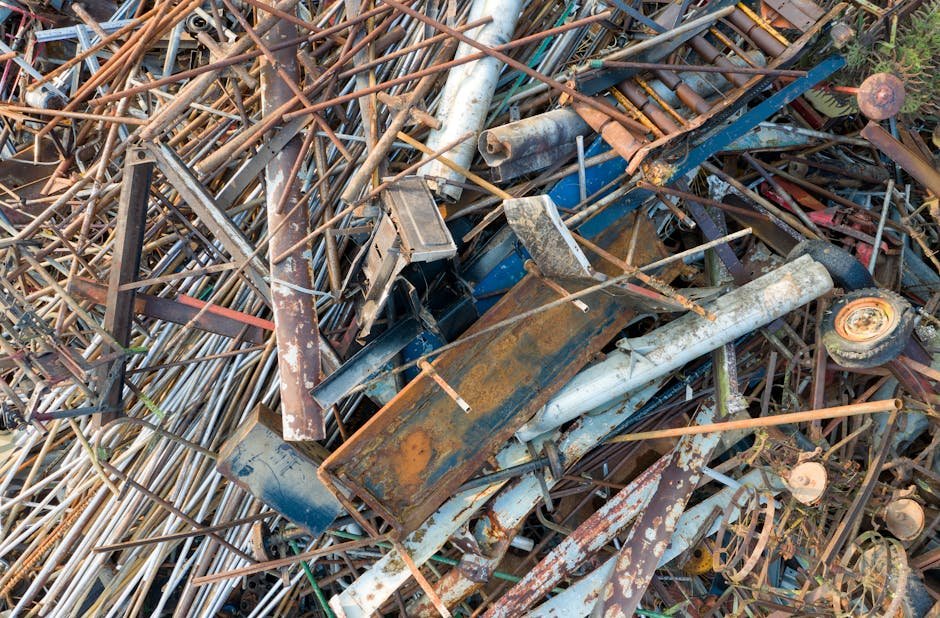

When searching for a professional scrap metal dealer Bribie Island, it is essential to understand that not all recycling facilities are created equal. Whether you are a local tradie clearing out a job site, a homeowner disposing of old appliances, or a business manager handling industrial waste, choosing the right partner determines both the financial return on your materials and the environmental impact of your waste management. In the rapidly evolving circular economy, the ability to accurately grade and process scrap metal is a specialized skill that requires industry-leading technology and logistics. As we look ahead to the future of the industry, many savvy sellers are already planning how they will Sell Scrap Metal Near Me In 2026 to maximize their returns in a fluctuating global market.
Understanding Metal Grades: Ferrous vs. Non-Ferrous
To get the best price from any scrap metal dealer Bribie Island, you must first understand the distinction between ferrous and non-ferrous metals. Ferrous metals contain iron and are magnetic; they are the backbone of construction and manufacturing. Common examples include structural steel, cast iron, and light iron. Because these metals are abundant, they generally trade at lower price points per kilogram than non-ferrous alternatives. However, the sheer volume of ferrous scrap generated in construction makes it a critical component of the recycling ecosystem.
Non-ferrous metals, on the other hand, do not contain iron and are prized for their resistance to corrosion and high conductivity. This category includes copper, aluminium, brass, lead, and stainless steel. Non-ferrous metals are infinitely recyclable without losing their chemical properties, making them highly valuable. For instance, high-grade copper piping or electrical wiring can fetch significant premiums. If you are dealing with specialized communications infrastructure, refer to our Telecom Scrap Metal Selling Guide to ensure you are stripping and sorting your materials correctly to capture maximum value.
Understanding these grades is not just about profit; it is about efficiency. When you bring pre-sorted scrap to a yard, you save the dealer time, and they, in turn, can offer you a better price. Whether you are in Queensland or looking for a Scrap Dealer India, the principles of sorting remain universal. Always separate your aluminium cans from your copper wire, and keep your clean steel away from mixed metal loads.
The Scrap Metal Recycling Process Explained
The journey of a piece of scrap metal from your property to a finished product is a complex industrial process. Once your materials are collected or dropped off at a facility, they undergo a rigorous multi-stage transformation. The first step is identification and weighing. Using advanced X-ray fluorescence (XRF) analyzers, modern dealers can determine the exact alloy composition of a piece of metal in seconds. This ensures that you are paid accurately based on the specific market grade of the material.
After weighing, the material is sorted. While some sorting is done by hand for high-value items, larger volumes are processed using magnetic separators for ferrous metals and eddy current separators for non-ferrous materials. Shredding is the next phase, where massive industrial machines break down complex items—like cars or appliances—into smaller, manageable pieces. This increases the surface area, making it easier to remove impurities like plastic, rubber, or glass.
Once shredded, the metal is melted down in furnaces. This molten metal is then cast into ingots or billets, which are sold to manufacturers to create new products. This closed-loop system is the hallmark of a sustainable industry. If you have been researching other regions, you might have compared services with a best scrap metal dealer guildford or a scrap metal dealer guildford to understand how different facilities handle high-volume scrap. Ultimately, the goal of any top-tier recycler is to minimize the energy required to produce new metal from virgin ore, which is far more carbon-intensive than recycling.
Environmental Benefits of Metal Recycling
The environmental case for recycling scrap metal is overwhelming. Mining for virgin ore is an invasive and energy-hungry process that involves habitat destruction, water contamination, and massive carbon emissions. By choosing to recycle, you are directly reducing the demand for new mining operations. For example, recycling aluminium saves approximately 95% of the energy required to produce the same amount of aluminium from raw bauxite ore.
Furthermore, metal recycling reduces the volume of waste sent to landfills. Many items, such as old white goods or automotive parts, contain heavy metals that can leach into the soil and groundwater if left to decompose in a landfill. By working with a professional dealer, you ensure these hazardous materials are handled according to strict environmental regulations. This commitment to sustainability is part of the broader mission at Scrap Trade, where we advocate for transparent and efficient recycling practices across the globe. Additionally, for those in Australia, checking the resources available at Scrap Trade Australia can provide further insights into local compliance and industry standards.
Maximizing Your Returns: Practical Tips for Sellers
If you want to maximize your profit, preparation is key. First, keep your scrap clean. Contamination is the biggest factor that lowers the value of a load. A load of copper pipe that is covered in paint, plastic fittings, or solder will be downgraded to a lower price tier. Take the time to remove non-metallic attachments whenever possible. Second, keep an eye on the market. Metal prices are commodities, meaning they fluctuate daily based on global supply and demand. If you have a large volume of scrap, it is worth calling your local dealer to ask about current trends.
Third, build a relationship with your dealer. If you are a regular supplier, some yards may be willing to offer better rates or provide skip bins for your site. Finally, always prioritize safety. Scrap metal can be sharp, heavy, and awkward to handle. Use appropriate personal protective equipment (PPE), including heavy-duty gloves and steel-toe boots. If you are transporting large quantities, ensure your vehicle is rated for the weight and that your load is properly secured according to local road safety laws.
The Future of Metal Recycling in Australia
The Australian scrap metal industry is currently undergoing a digital transformation. We are moving away from manual, paper-based transactions toward integrated digital platforms that provide real-time pricing and transparent reporting. This shift is vital for businesses that need to track their environmental, social, and governance (ESG) metrics. As we look at the trajectory of the industry, technology like blockchain is being explored to track the lifecycle of metals from the point of collection to the final manufacturer, ensuring that the supply chain remains ethical and sustainable.
For residents and businesses on Bribie Island, this means easier access to information and more competitive pricing. As the local economy grows, the demand for efficient scrap management will only increase. By aligning yourself with a forward-thinking dealer, you are not just getting rid of waste; you are participating in a global movement toward a more circular and resilient economy. The integration of mobile apps and online booking systems is making it easier than ever to schedule pickups or check current scrap rates from your phone, ensuring that you never miss an opportunity to capitalize on your scrap metal assets.
Compliance and Safety Standards
A reputable dealer must adhere to strict safety and environmental regulations. This includes proper handling of hazardous materials, such as lead-acid batteries or refrigerants found in air conditioning units. These items require specialized disposal methods to prevent toxic leaks. When choosing a dealer, look for certifications and a clear commitment to environmental stewardship. A professional facility will have well-maintained equipment, clear signage, and a team that is trained in safety protocols. This protects you as the seller and ensures that the material is processed in a way that meets or exceeds Australian environmental standards.
Logistics and Collection Services
For large-scale projects, such as demolition or factory cleanouts, transporting scrap metal can be a logistical challenge. Many professional dealers offer comprehensive collection services, providing skip bins or flatbed trucks to haul your material. This service is invaluable for contractors who need to keep their job sites clear of debris to maintain safety and efficiency. When arranging a pickup, provide the dealer with an accurate description of the volume and type of metal so they can send the appropriate equipment. This proactive approach prevents delays and ensures that the collection process is seamless.
The Role of the Individual in the Circular Economy
Every individual has a role to play in the circular economy. By choosing to recycle your scrap rather than throwing it in the general waste bin, you are contributing to a massive reduction in industrial energy consumption. This is a simple but powerful action that supports the long-term health of our planet. Whether you are a hobbyist working on a weekend project or a professional manager overseeing a large facility, your choices matter. By educating yourself on metal grades, understanding the recycling process, and partnering with a reputable dealer, you are ensuring that your waste becomes a valuable resource for the next generation of manufacturing.
Conclusion: Choosing the Right Partner
Finding a reliable dealer is about more than just the price per kilo. It is about finding a partner who values transparency, efficiency, and environmental responsibility. A great dealer will help you understand the value of your scrap, provide the necessary tools for collection, and ensure that your material is processed in accordance with the highest industry standards. As you navigate the options available, remember to focus on quality, safety, and long-term value. With the right approach, your scrap metal can become a reliable revenue stream while supporting the sustainable development of our local community and the broader Australian economy.
Frequently Asked Questions
What is the most valuable scrap metal I can collect?
Copper is generally the most valuable common scrap metal, especially when it is clean and free of insulation or solder. Other high-value metals include brass, stainless steel, and certain aluminium alloys.
Do I need to clean my scrap metal before bringing it to a dealer?
Yes, cleaning your scrap by removing non-metal attachments like plastic, rubber, or wood significantly increases its value. Clean, sorted metal is easier for the dealer to process and commands a higher price.
How do scrap metal prices change?
Scrap metal prices are determined by global commodities markets, which fluctuate based on supply, demand, and economic conditions. Dealers adjust their buying prices regularly to reflect these international market shifts.
Are there items that cannot be recycled as scrap metal?
While most metals are recyclable, some items like sealed containers, radioactive materials, or items containing hazardous chemicals (like old gas cylinders or pressurized vessels) may be refused for safety reasons. Always check with your local dealer before bringing in potentially hazardous items.