
Understanding the metal force driving the Australian recycling sector is essential for anyone involved in industrial waste management, demolition, or trade. As the global demand for raw materials intensifies, the ability to effectively recover, process, and reintroduce metals into the manufacturing cycle has become a cornerstone of our national economy. Whether you are an individual contractor or a large-scale industrial operator, recognizing the power of your scrap inventory is the first step toward maximizing value and minimizing environmental impact.
The Evolution of the Australian Scrap Metal Industry
The Australian scrap landscape has undergone a radical transformation over the last decade. Historically viewed as mere ‘junk,’ scrap metal is now recognized as a high-value commodity. This shift is driven by the metal force of global decarbonization efforts, which prioritize recycled aluminum, copper, and steel over virgin ore extraction. When you look for a Metal Recycling Near Me, you are participating in a sophisticated logistics network that spans from local collection points to international smelting facilities.
This industry is no longer just about hauling old pipes; it is about precision engineering and material science. Modern facilities utilize advanced X-ray fluorescence (XRF) technology to identify alloys instantly, ensuring that high-grade materials are not lost in the stream of low-grade waste. As we move closer to 2026, the integration of digital platforms like Scrap Trade has revolutionized how sellers connect with buyers, providing unprecedented transparency in a market that was once opaque.
Understanding Current Market Dynamics and Metal Prices
To leverage the metal force in your favor, you must stay informed about the fluctuating Metal Prices. Commodity markets are influenced by a complex array of factors, including geopolitical stability, manufacturing output in Asia, and local construction activity in Australian cities like Sydney, Melbourne, and Brisbane. Copper, for instance, is often referred to as ‘Dr. Copper’ because its price is a leading indicator of global economic health.
When assessing your scrap pile, consider the following variables that influence your final payout:
- Purity and Contamination: Clean, un-insulated copper wire will always fetch a higher premium than wire with plastic coating.
- Volume: Industrial quantities often qualify for better rates and free collection services.
- Market Timing: Selling during periods of high industrial demand can significantly increase your profit margins.
- Logistics: Utilizing a professional metal junkyard can reduce your transport overheads, effectively increasing your net return.
For those planning their operations, it is vital to Sell Scrap Metal Near Me In 2026 by aligning your disposal schedule with peak market cycles. By utilizing data-driven insights from Scrap Trade Australia, you can ensure that your material reaches the right processor at the right time, preventing the loss of value that occurs when materials are left to degrade in outdoor storage.
Logistics and Collection: Finding Reliable Partners
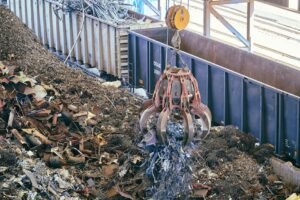
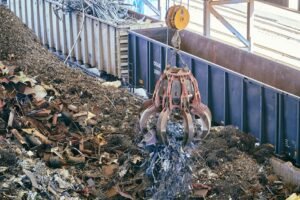
A successful recycling strategy relies on efficient collection. Many small-scale operators struggle with the ‘last mile’ problem—getting heavy, bulky scrap from the site to the processing facility. This is where professional metal collectors near me provide immense value. These services are equipped with specialized vehicles, cranes, and bin systems that streamline the removal process.
When vetting a collection partner, look for companies that prioritize safety and environmental compliance. Proper handling of hazardous scrap, such as lead-acid batteries or mercury-containing switches, is not just a regulatory requirement but an ethical imperative. A reputable collector will provide you with a weighbridge ticket and clear documentation, ensuring you are paid for every kilogram of material recovered.
The Environmental Impact of Circular Metal Flows
The environmental argument for recycling is overwhelming. Producing aluminum from recycled scrap requires approximately 95% less energy than producing it from bauxite ore. By keeping metal in the circular economy, we reduce the need for destructive mining practices and lower the carbon footprint of the Australian manufacturing sector. The metal force isn’t just about profit; it’s about preserving our natural landscape by reducing the reliance on virgin extraction.
Furthermore, local recycling reduces the carbon emissions associated with long-distance shipping. When you choose to process your scrap at a facility near your site, you are contributing to a localized supply chain that is more resilient to global logistics disruptions. This is the future of sustainable industrial practice.
Strategic Sorting: How to Maximize Your Payout
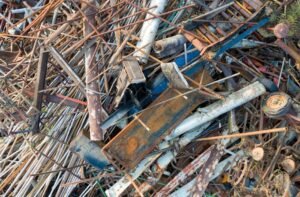
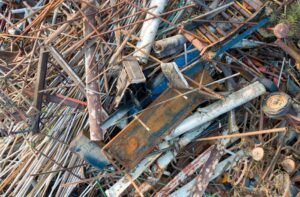
Sorting your scrap before it leaves your site is the single most effective way to increase your revenue. Mixed scrap is often purchased at the lowest ‘mixed steel’ rate, whereas segregated materials—such as brass, copper, stainless steel, and aluminum—command specific, higher rates. Use magnetic separation to quickly distinguish ferrous metals (which contain iron and are magnetic) from non-ferrous metals (which are typically more valuable).
Establish a dedicated sorting area on your site. Use color-coded bins or clear signage to ensure that your team members understand the value of the materials they are handling. A little bit of discipline in the sorting process can lead to a significant difference in your bottom line at the end of the quarter.
Compliance, Documentation, and Safety
The scrap metal industry is subject to strict environmental and safety regulations. In Australia, this includes adhering to state-specific EPA guidelines regarding the storage and transport of waste. Always ensure that your recycling partner is licensed and insured. When disposing of hazardous materials, request a certificate of destruction or recycling to protect your business from potential liability.
Safety is paramount when dealing with heavy metal. Always wear appropriate personal protective equipment (PPE), including heavy-duty gloves, steel-toed boots, and high-visibility clothing. If you are dealing with large structures, ensure that you have the appropriate permits and that the demolition process is overseen by qualified professionals.
Future Trends: Automation and Digital Integration
Looking ahead to 2026 and beyond, the industry is poised for further technological disruption. We are seeing the rise of ‘smart’ scrap yards that use AI-driven sorting robots to increase efficiency. Digital marketplaces are also becoming more sophisticated, allowing for real-time bidding on scrap inventories. Businesses that embrace these digital tools will be the ones that thrive, as they will have the data necessary to make informed decisions about when to sell and who to partner with.
The integration of blockchain technology for material traceability is also on the horizon. This will allow manufacturers to verify the origin of their recycled materials, providing a ‘green’ certification that is increasingly demanded by consumers. By positioning your business as a transparent and reliable supplier of recycled scrap, you will be well-placed to capitalize on these future market shifts.
Conclusion: Harnessing the Power of Metal Recycling
The metal force of the Australian recycling industry is a powerful engine for economic and environmental progress. By treating your scrap not as waste, but as a valuable resource, you can unlock new revenue streams while contributing to a more sustainable future. Whether you are a construction firm, a workshop, or an individual tradesperson, the principles remain the same: sort your materials, stay informed on market pricing, and partner with reliable, professional collectors.
As we navigate the complexities of the modern economy, the ability to recycle effectively will define the leaders of the next industrial era. Start by assessing your current scrap management practices today. Use the resources available on our platform to connect with local processors, track market trends, and ensure that your metal assets are being utilized to their full potential. The transition to a circular economy is well underway, and your participation is a vital part of that journey.
Frequently Asked Questions
What is the most valuable scrap metal to collect?
Copper is generally the most valuable common scrap metal due to its high demand in electrical and plumbing industries. Other high-value metals include brass, stainless steel, and aluminum, though their prices fluctuate based on global market conditions.
How can I get the best price for my scrap metal?
To maximize your return, always segregate your metals by type and remove any non-metal contaminants like plastic or rubber insulation. Selling in larger volumes and monitoring market price trends allows you to negotiate better rates with reputable scrap yards.
Is it legal to sell scrap metal in Australia?
Yes, selling scrap metal is legal, but you must comply with state-based regulations regarding the sale of certain items. Many states require photo identification and records of transactions to prevent the trade of stolen goods.
Why is sorting scrap metal so important?
Sorting scrap ensures that high-value non-ferrous metals are not downgraded to the price of mixed steel. By separating materials, you allow recyclers to process them more efficiently, which translates into higher payouts for the seller.