
The process of canning in metal recycling is often overlooked, yet it plays a pivotal role in unlocking the true value of scrap metal. By compressing and securing metal into standardized, transportable units, recyclers can streamline logistics, reduce handling costs, and improve the marketability of their products. In Australia, where the demand for recycled metal is growing alongside stringent environmental regulations, mastering the canning technique can make a significant difference for both businesses and individual scrap donors.
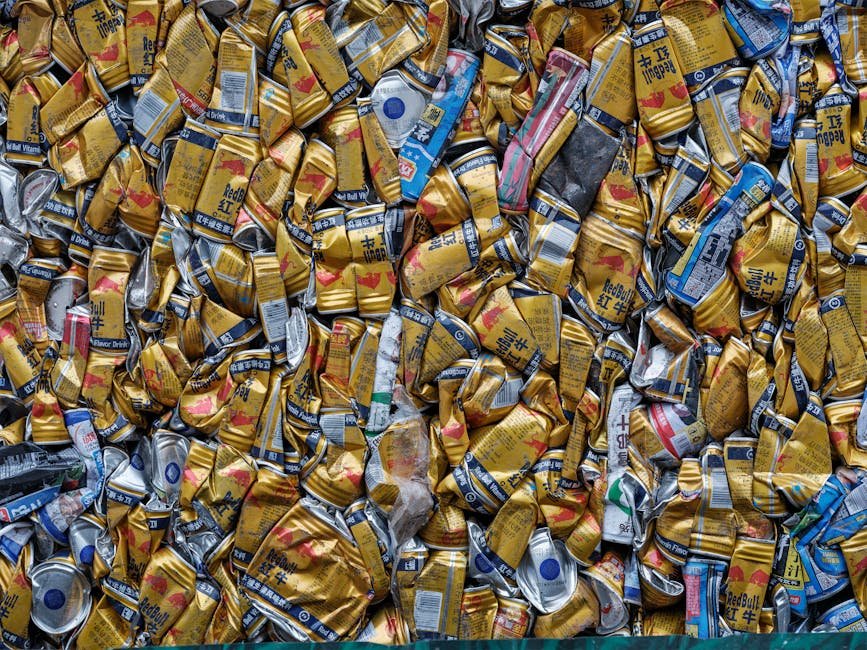
Canning involves packing metal items such as aluminum cans, steel drums, and copper wiring into robust containers that protect the material during transit and storage. The method not only protects the scrap from contamination but also creates a uniform shape that is easier to weigh, sort, and price. Recyclers who invest in high-quality canning equipment can reduce the time spent on manual sorting, lower the risk of damage, and ultimately command higher prices for their finished product.
The value of metal scrap is largely determined by weight, purity, and market demand. Canned metal, because it is neatly organized and free from impurities, often fetches a premium over loose scrap. Australian metal recyclers who can demonstrate a clean, consistent supply chain thanks to effective canning are more likely to secure better contracts with steel mills, aluminums producers, and battery manufacturers. This advantage is especially pronounced during periods of price volatility, where a small improvement in logistics can translate into substantial financial gains.
For those looking to maximize their canning value, several practical steps can help. First, invest in a reliable compression system that can handle a variety of metal types without damaging the material. Second, maintain strict cleanliness standards to prevent contamination, which can lower the scrap’s purity rating. Third, keep detailed records of the weight and composition of each can, as this transparency builds trust with buyers and often leads to better pricing. By combining these practices, recyclers can not only increase their profit margins but also contribute to a more sustainable and efficient recycling ecosystem.
Australia’s scrap metal market is uniquely positioned for growth, driven by a strong push toward circular economy principles and a robust construction sector. Local recyclers can benefit from partnerships with community programs, government incentives, and private industry contracts. Resources such as https://scrap.trade offer a comprehensive directory of reputable recyclers, price trackers, and market news, making it easier for anyone from hobby scrap collectors to large-scale operations to navigate the industry and make informed decisions about canning and selling.
In summary, canning is more than a logistical convenience; it is a strategic tool that enhances the value chain of metal recycling. By understanding the process, investing in the right equipment, and leveraging local market dynamics, Australian metal recyclers can transform ordinary scrap into a high-value commodity, driving both economic and environmental benefits.
FAQ
What is the main benefit of canning metal scrap?
Canning standardizes the size and shape of scrap, reducing handling costs and allowing recyclers to command higher prices.
How does canning affect the purity of metal?
Proper canning keeps contaminants out, preserving the metal’s purity and ensuring it meets buyers’ specifications.
Where can I find reliable Australian metal recyclers?
Visit https://scrap.trade for a directory of trusted recyclers, market data, and industry resources.