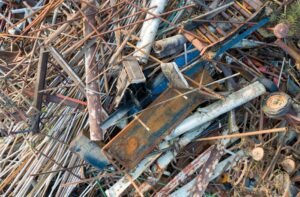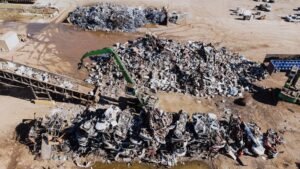

Understanding metal recyclers near me prices is the first step for any individual or business looking to turn waste into profit. The scrap metal industry in Australia is a complex, multi-billion dollar sector that serves as the backbone of the circular economy. Whether you are a tradesperson with excess copper piping or a homeowner clearing out an old shed, the value you receive depends on a sophisticated interplay of global demand, local logistics, and material quality. By researching metal recyclers near me prices, you ensure that you are not only getting a fair deal but also contributing to the sustainable management of finite natural resources.
How Global Markets Influence Metal Prices Today
The price you receive at a local recycling centre is rarely arbitrary. Instead, it is a reflection of the London Metal Exchange (LME) and other global commodity trading platforms. When you look up Metal Prices, you are essentially looking at a snapshot of international supply and demand. If the global manufacturing sector is booming, demand for raw materials like copper, aluminium, and steel increases, driving up the market rate.
Conversely, during periods of economic downturn, industrial production may slow, leading to a decrease in the price per tonne. In Australia, these global trends are further influenced by the strength of the Australian Dollar (AUD). Since most metals are traded in USD, a weaker AUD can sometimes cushion the blow of falling global prices for local sellers. It is vital to keep an eye on Scrap Metal Prices regularly to understand how these macroeconomic factors filter down to your local yard.
Factors That Determine Your Payout
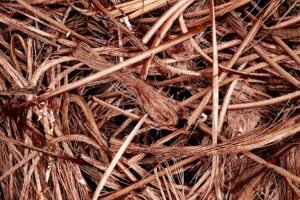
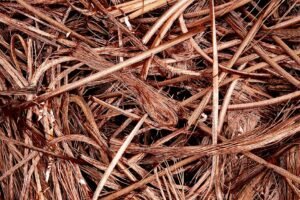
When you arrive at a facility, the staff will evaluate several factors before calculating your total payout. The most significant factor is the purity of the metal. For example, clean, bright copper wire will always fetch a higher price per kg than copper that is burnt, insulated, or mixed with other debris. Contamination is the enemy of recycling; the more time a facility has to spend separating materials, the lower the price they can offer you.
Volume is another critical component. Larger quantities often command a better price per tonne because they reduce the overhead costs associated with processing and transport. Additionally, the type of metal matters immensely. Ferrous metals (iron and steel) are generally more abundant and therefore have a lower price per kg compared to non-ferrous metals like copper, brass, aluminium, and stainless steel. Understanding these variables helps you prepare your scrap more effectively, ensuring you get the best possible return on your efforts.
The Recycling Process: From Scrap to Commodity
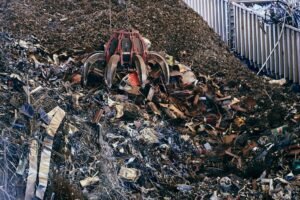
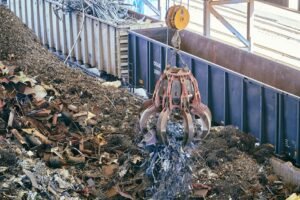
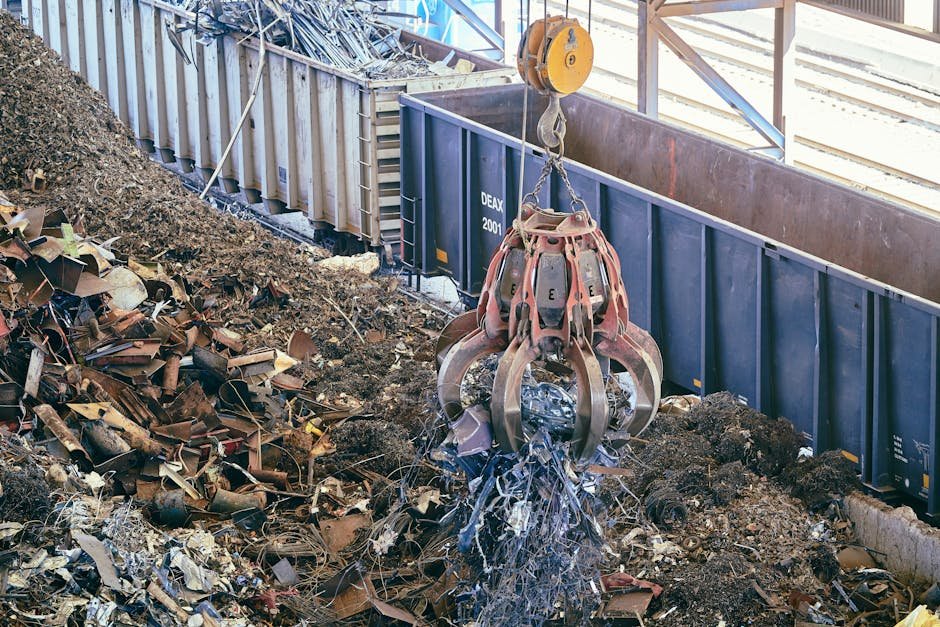
The journey of your scrap metal starts the moment it leaves your hands. After you choose a facility—perhaps one of the Scrap Metal Prices Near Me options found online—the metal undergoes a rigorous sorting process. Advanced facilities use magnets for ferrous metals and eddy current separators for non-ferrous materials. Once sorted, the metal is cleaned, shredded, and melted down into ingots or billets.
These ingots are then sold back to manufacturers to create new products, ranging from car parts and construction beams to beverage cans and electronics. This closed-loop system is essential for the environment. By recycling metal, we significantly reduce the energy required for mining and refining virgin ore. For example, recycling aluminium uses 95% less energy than producing it from bauxite ore. Choosing to recycle is not just a financial decision; it is an environmental imperative.
Choosing Between Drop-off and Pickup Service
For many, the logistics of moving scrap metal are the biggest hurdle. Most professional recyclers offer two main options: a self-managed drop off or a professional pickup service. A drop off is ideal for smaller loads. It allows you to visit the facility, weigh your material, and receive immediate payment. It is a straightforward process that is perfect for household clean-ups.
However, for businesses, construction sites, or large-scale demolition projects, a pickup service is often the better choice. Professional recyclers can provide skip bins or flatbed trucks to collect heavy or bulky materials directly from your site. While this service may come with a fee or a reduction in the total payout, the convenience and safety benefits often outweigh the costs. If you are in specific regions, you might look for reliable partners like western metal recyclers or young metal recyclers to handle large-scale logistics efficiently.
Environmental Impact and Sustainability
The scrap metal industry is a cornerstone of Australia’s sustainability goals. Every tonne of steel recycled saves over a tonne of iron ore and significant amounts of coal. By participating in the market, you are helping to reduce the carbon footprint of the manufacturing industry. When you engage with reputable recyclers found through our scrap metal trading platform, you are supporting a network dedicated to ethical processing and waste reduction.
The environmental impact extends beyond energy savings. It also reduces the need for landfill space. Metals that are not recycled can leach hazardous substances into the soil and groundwater over time. By ensuring your scrap reaches a licensed facility, you are protecting local ecosystems and supporting a cleaner future for Australia. For comprehensive resources on how to manage your scrap responsibly, visit Scrap Trade Australia.
How to Maximise Returns: Practical Tips
To get the most out of your scrap, preparation is key. First, sort your metals by type. Mixing copper with steel will result in the entire load being priced at the lower steel rate. Use a magnet to test your materials: if the magnet sticks, it is likely ferrous (steel/iron); if it doesn’t, it is likely non-ferrous (copper, aluminium, brass), which is generally more valuable. Keep your non-ferrous metals separate and clean.
Second, remove non-metallic attachments. Plastic casings, rubber insulation, and wooden handles add weight but decrease the value of the metal. Stripping insulation from copper wire can significantly increase the price per kg you receive. Finally, call ahead. Before loading up your vehicle, check the current market rate with the facility. Prices can change weekly, and knowing the current rate helps you decide if it is the right time to sell.
Navigating Market Volatility
The scrap market is inherently volatile. Traders and recyclers deal with these fluctuations daily. As a seller, you might feel frustrated when prices drop, but understanding that this is a global market helps set realistic expectations. Some sellers prefer to stockpile their scrap during low-price periods and sell when the market trends upward. If you have the storage space, this can be a viable strategy to maximise your returns.
However, always consider the safety and environmental risks of storing large amounts of scrap metal. Ensure your storage area is secure, dry, and away from public access. If you are dealing with large volumes, it is often better to clear your site regularly to maintain safety and efficiency. Always prioritize working with licensed, reputable recyclers who provide transparent pricing and proper documentation for your transactions. This ensures that you are not only getting the best price but also complying with local regulations regarding waste management and environmental safety.
The Future of Metal Recycling in Australia
As Australia moves toward a more circular economy, the role of metal recyclers will only become more critical. Innovations in sorting technology, such as AI-driven optical sorters, are making the process faster and more accurate. This efficiency will likely lead to better pricing for consumers as facilities can process lower-grade materials more effectively. Furthermore, government initiatives aimed at reducing industrial waste are encouraging more businesses to adopt recycling practices.
By staying informed about metal recyclers near me prices, you are participating in a vital economic and environmental movement. Whether you are a hobbyist or a professional contractor, your contribution to the recycling loop helps conserve resources and supports the Australian economy. Keep researching, stay informed, and always choose to recycle your metal responsibly. The market is constantly evolving, but the core principle remains the same: scrap metal is a valuable resource that should never go to waste.
Frequently Asked Questions
How often do scrap metal prices change?
Scrap metal prices fluctuate daily or weekly depending on global commodity market trends. It is recommended to check current rates with your local recycler before bringing in your materials.
What is the most valuable metal to recycle?
Non-ferrous metals, particularly copper, are generally the most valuable. Other high-value metals include brass, aluminium, and stainless steel.
Does it matter if my scrap metal is dirty or mixed?
Yes, contamination significantly lowers the value of your scrap. Sorting your metals by type and removing non-metallic attachments like plastic or rubber will ensure you receive the highest possible price per kg.
Can I get a pickup service for my scrap metal?
Many professional recycling facilities offer pickup services for large volumes or commercial quantities. It is best to contact your local recycler to discuss your specific site requirements and logistics.