
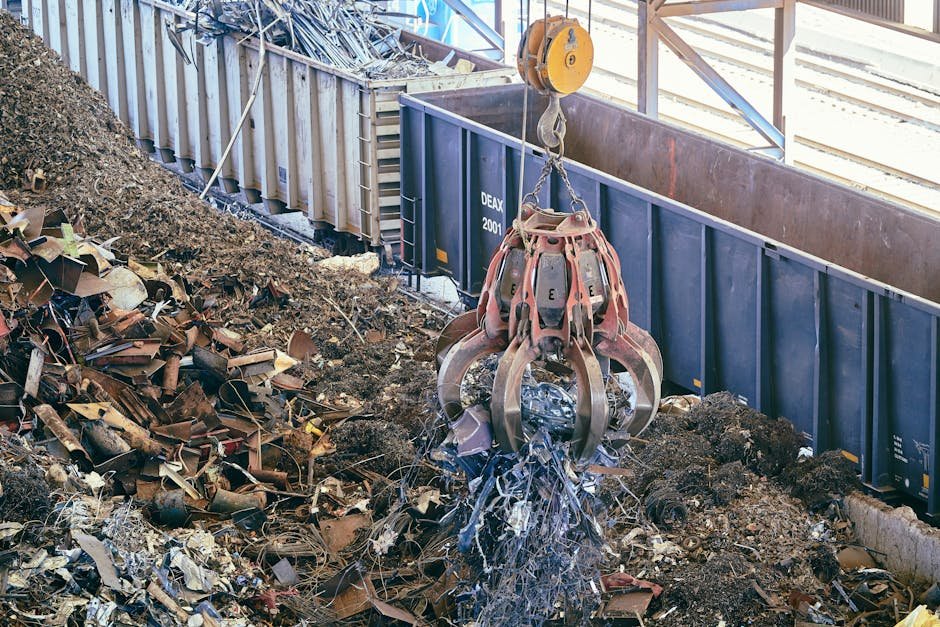

Metal recycling Artarmon serves as a critical sustainability hub for Northern Sydney, transforming industrial byproducts, construction debris, and household scrap into valuable raw materials. This comprehensive guide explores every facet of metal recycling services in Artarmon, from current market pricing to advanced processing techniques. As Australia generates approximately 67 million tonnes of waste annually with metals constituting 9% of the total stream, efficient recycling infrastructure in suburbs like Artarmon is essential for meeting NSW’s resource recovery targets and circular economy goals.
Why Metal Recycling Matters in Artarmon
Artarmon’s industrial and residential sectors produce significant metal waste streams. Recycling metals locally delivers measurable benefits: every tonne of recycled steel conserves 1,131kg of iron ore and reduces CO2 emissions by 58% compared to virgin production. For aluminium recycling – particularly relevant to Artarmon’s manufacturing sector – energy savings reach 95%. North Sydney Council’s Waste Strategy actively promotes metal recovery through infrastructure investments and education programs, with Artarmon facilities playing a strategic role in diverting metal from landfill. Proper recycling also prevents soil contamination from heavy metals like lead and cadmium, protecting Lane Cove River ecosystems.
Accepted Metals at Artarmon Recycling Facilities
Artarmon recyclers process diverse metal categories with specialised handling protocols. Ferrous metals (containing iron) include structural steel, machinery parts, and reinforcing bar, typically magnet-separated and commanding lower prices. Non-ferrous metals attract premium valuations: clean copper piping ($8-10/kg), aluminium extrusions ($2-3.50/kg), and brass fittings ($4-6/kg). Specialty metals require expert handling – lead-acid batteries undergo acid neutralisation, while catalytic converters contain platinum-group metals extracted through Core Metal Recycling processes. Electronic waste components require licensed processing under NSW EPA regulations. Always contact facilities for current acceptance lists as contamination standards tighten.
Scrap Preparation Guidelines for Maximum Value
Proper preparation significantly impacts scrap metal valuation in Artarmon. Follow these protocols: 1) Separate metals by type using magnet testing (ferrous sticks, non-ferrous doesn’t); 2) Remove non-metal attachments – plastic housings degrade aluminium value by 40%, rubber on copper wiring reduces returns; 3) Drain all fluids from automotive parts; 4) Compact large items like whitegoods by removing compressors; 5) Bundle wires and sheet metals. Industrial generators should implement on-site segregation using colour-coded bins. Most Artarmon yards provide material handling equipment but charge for extensive decontamination labor. Documented material origin is mandatory for commercial quantities under NSW Chain of Responsibility laws.
Artarmon Recycling Process: From Drop-off to Remanufacturing
Metal recycling Artarmon facilities employ advanced processing sequences: Upon arrival, materials undergo radiation screening and visual inspection. Ferrous metals proceed to hydraulic balers compressing material into 1-tonne blocks for efficient transport. Non-ferrous streams enter shredders followed by air classification (separating light aluminium from heavy copper) and eddy current separators removing impurities. Copper undergoes electrolytic refining to 99.9% purity at Port Kembla smelters. Processed metals supply Sydney manufacturers like InfraBuild (formerly LIBERTY Steel) and Capral Aluminium, completing the circular loop within regional supply chains. Environmental controls include water filtration systems capturing metal particulates and real-time emissions monitoring mandated by NSW EPA.
Finding Top-Tier Scrap Metal Recycling Near Me Services
Artarmon offers multiple recycling options with distinct advantages: Dedicated metal yards like Artarmon Metal Recyclers provide industrial-scale processing with certified weighbridges and direct smelter relationships. Full-service facilities such as SUEZ Artarmon Resource Recovery Centre accept combined loads but require separation fees. For specialty items, licensed e-waste processors handle circuit boards and batteries. When evaluating providers, verify NSW EPA licensing (check public register), weighbridge certification, and transparent pricing models. Many offer complimentary bin services for businesses generating 200kg+ monthly. Crucially, request documentation proving ethical downstream processing – exported scrap must comply with Australia’s Recycling and Waste Reduction Act 2020. For comprehensive location comparisons, explore our Metal Recycling Near Me directory.
Pricing Structures and Maximising Returns
Artarmon scrap prices fluctuate daily based on LME (London Metal Exchange) benchmarks and local demand. Current indicative rates: Cast aluminium $1.80-2.20/kg, Clean copper pipe $8.50-10.20/kg, 304 stainless steel $1.30-1.80/kg. Steel and iron typically trade per tonne ($120-180). Preparation directly impacts value: painted aluminium fetches 25% less than clean mill-grade, while insulated copper wire is devalued by 40% versus stripped wire. High-volume generators (200kg+) should negotiate premium pricing tiers. Note that fees may apply for gas cylinder recycling or refrigerants removal. During infrastructure projects, consider on-site Artarmon scrap metal recycling services with mobile processing units to reduce transport costs. Always obtain written quotes detailing grade classifications.
Regulatory Compliance for Artarmon Recyclers
All metal recycling Artarmon operators must comply with NSW regulatory frameworks: Facilities require EPA license EPL 13128 or equivalent, with mandatory weighbridge certification under National Measurement Institute standards. Commercial transactions exceeding $100 must issue formal receipts showing seller details and material description per NSW Scrap Metal Industry Act 2016. Sellers must provide photo ID, with commercial entities verifying ABN registration. Restricted materials like railway components or heritage artefacts require documentation proving lawful ownership. Hazardous metal waste (lead paint residues, asbestos-contaminated metals) falls under POEO Act regulation – only licensed facilities like Veolia’s special waste depot can process these. Non-compliance penalties reach $1 million for corporations.
Business Recycling Solutions in Artarmon
Artarmon industrial estates generate substantial metal volumes requiring tailored solutions: Manufacturers should implement ISO 14001-aligned waste management plans with dedicated scrap containment areas. Construction firms benefit from roll-off bin services for structural steel and reinforcement bar. Automotive workshops require scheduled coolant recovery for aluminium radiators and engine parts. Best practices include: 1) Monthly waste audits identifying recyclable metal streams; 2) Employee training on metal segregation; 3) Partnering with scrap metal recycling Artarmon providers offering collection reports for sustainability accounting. Many facilities provide rebates through commercial accounts – contact ScrapTrade for business-specific programs. Tax deductions apply for scrap sales with proper documentation.
Residential Metal Recycling Guide
Artarmon households can recycle: Whitegoods (remove doors per child safety laws), electronics via council e-waste programs, aluminium fencing/carports, and copper plumbing fixtures. Prohibited items include undrained fuel tanks, asbestos-containing materials, and gas cylinders without valve removal. North Sydney Council offers quarterly metal collection days at Artarmon Depot with volume limits (max 2m³). For larger loads, facilities like LMS Recycling provide free domestic drop-off under 100kg. Always separate recyclables – mixed loads incur fees. Consider charity partnerships for functional metal items; organisations like Bower Reuse Centre repurpose household metals. Safety first: wear cut-resistant gloves when handling scrap and use council hard waste for sharp objects.
Future Innovations in Artarmon Metal Recycling
Emerging technologies will transform Artarmon’s recycling landscape: AI-powered sorting robots like ZenRobotics Recycler increase non-ferrous recovery rates by 15%. Advanced spectroscopy enables instant alloy identification, critical for aerospace-grade aluminium recovery. NSW’s Net Zero Plan includes funding for electric scrap processing equipment reducing diesel emissions. Local research partnerships with UNSW focus on micro-recovery of rare earth metals from e-waste. Regulatory shifts include potential landfill levies increasing from $87.10 to $140/tonne by 2025, making recycling economically imperative. Community initiatives like Artarmon’s Circular Economy Precinct pilot resource-sharing hubs for businesses. These advancements position Artarmon as a leader in urban resource recovery.
Conclusion
Metal recycling in Artarmon provides essential environmental and economic services through sophisticated processing infrastructure. By understanding material preparation standards, regulatory requirements, and value optimisation strategies, residents and businesses maximise their sustainability impact. Continued innovation and regulatory alignment will enhance recovery rates beyond the current national average of 90% for aluminium and 65% for steel. For personalised service assessments or current pricing, connect with ScrapTrade‘s Artarmon network partners through our verified platform. Responsible metal stewardship today builds Artarmon’s circular economy future.
Related: artarmon scrap metal recycling
Frequently Asked Questions
What types of metals can I recycle in Artarmon?
Artarmon facilities accept ferrous metals (steel, iron), non-ferrous metals (copper, aluminium, brass), and specialty metals (stainless steel, lead batteries). Most yards prohibit radioactive materials, asbestos-contaminated items, or undrained fuel tanks. Always contact recyclers for specific acceptance lists as policies vary.
Do I need documentation for commercial metal recycling?
Yes. NSW law requires commercial sellers to provide ABN verification and photo ID. Recyclers must issue receipts detailing material type, weight, and payment value. For regulated items like electrical infrastructure components or heritage metals, proof of lawful ownership is mandatory to prevent illicit trade.
How do I prepare whitegoods for recycling in Artarmon?
Remove fridge/freezer doors completely to prevent child entrapment risks. Extract compressors containing refrigerants (requires licensed technician). Secure loose components and drain residual water. Most facilities charge for unprocessed units but offer free drop-off when properly prepared. Check council collection options for bulky items.
What happens to metals after I recycle them in Artarmon?
Metals undergo sorting, shredding, and purification locally before transport to smelters. Aluminium typically goes to Kurri Kurri smelters, steel to Port Kembla furnaces, and copper to Olympic Dam refineries. Processed metals re-enter manufacturing as raw materials, often reappearing in Australian-made products within 60 days.











