
When searching for reliable metal recycling Bankstown services, it is essential to understand the complex ecosystem of the Australian scrap trade. Bankstown, as a major industrial hub in Sydney’s southwest, serves as a critical node for the collection, processing, and distribution of raw materials. Whether you are a trade contractor, a demolition expert, or a residential recycler, navigating the industry requires knowledge of market fluctuations, material grading, and environmental compliance. By engaging with professional recycling centers, you contribute to a circular economy that minimizes landfill waste and lowers the energy costs associated with virgin metal production.
The Economic and Environmental Impact of Scrap Recycling
The scrap metal industry is a cornerstone of the Australian economy, turning waste into high-value commodities. When you participate in metal recycling Bankstown, you are not just clearing out clutter; you are actively participating in a global supply chain. The recycling of metals like copper, aluminium, and steel requires significantly less energy than extracting and refining ore. For instance, recycling aluminium saves approximately 95% of the energy required to produce the same amount from bauxite.
Beyond the energy savings, local recycling efforts mitigate the environmental damage caused by mining operations. In Bankstown, industrial sites generate significant volumes of offcuts and end-of-life machinery. By keeping these materials in the loop, we reduce the need for destructive extraction processes. Furthermore, professional recycling facilities ensure that hazardous materials, such as lead-acid batteries or contaminated metals, are handled according to strict EPA guidelines, preventing toxic leakage into the local ecosystem.
If you are looking for local drop-off points, it is helpful to use a Scrap Metal Recycling Near Me search to identify facilities that offer competitive pricing and immediate payment. Many businesses in the Bankstown area have streamlined their operations to accommodate both small-scale household scrap and large-scale industrial loads, ensuring that every tonne of metal is accounted for and processed efficiently.
Understanding Metal Grades and Market Value
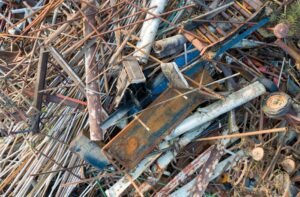
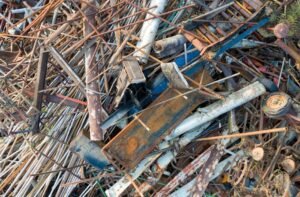
Not all scrap is created equal. To get the best value for your materials, you must understand the difference between ferrous and non-ferrous metals. Ferrous metals, such as iron and steel, are magnetic and are typically found in construction beams, vehicle chassis, and household appliances. While they are usually traded in higher volumes, their per-kilogram price is generally lower than non-ferrous counterparts.
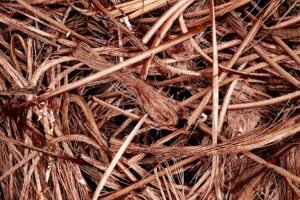
Non-ferrous metals—including copper, brass, aluminium, lead, and stainless steel—are highly sought after due to their durability and recyclability. Copper, in particular, is a high-value commodity often found in electrical wiring, plumbing fixtures, and roofing materials. When you visit a facility for metal recycling Bankstown, sorting your materials beforehand can significantly increase your payout. Mixing metals can lead to a lower ‘mixed scrap’ price, whereas clean, separated loads often command premium rates.
For those located outside the immediate Bankstown area or seeking broader service coverage, exploring Metal Recycling Near Me will provide a list of verified traders. It is also worth noting that market prices are influenced by global demand, particularly in the manufacturing sectors of Asia and Europe. Keeping an eye on the Core Metal Recycling trends can help you decide when to sell your stockpiled scrap to maximize your return on investment.
Industrial Scrap Solutions in Sydney’s Southwest
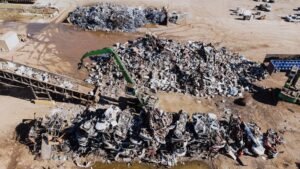
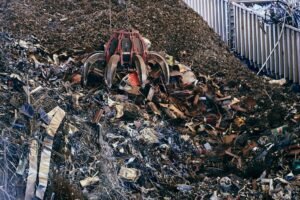
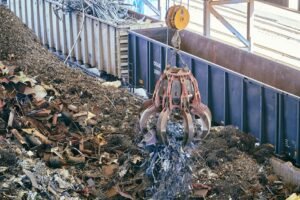
Bankstown is home to a diverse array of manufacturing and construction businesses. These industries produce a constant stream of scrap metal, ranging from heavy structural steel to fine copper shavings. Managing this waste effectively is not just an environmental obligation; it is a smart business strategy. Many companies partner with scrap yards to implement ‘bin services,’ where a skip or container is placed on-site and collected once full.
Effective waste management at industrial sites requires a structured approach. By training staff to separate scrap at the source—keeping aluminium separate from steel, and ensuring copper is stripped of insulation—businesses can turn a waste management cost into a revenue stream. If your operations extend beyond Bankstown, you might find that metal recycling ingleburn services are better suited for your satellite branches or construction sites in the southern corridor.
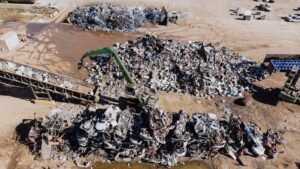
For those specifically looking for a scrap metal bankstown facility that handles large industrial volumes, look for yards that provide weighbridge services. A certified weighbridge ensures transparency, providing an accurate record of the material weight, which is crucial for corporate compliance and financial auditing. Always verify that your chosen recycler is fully licensed and adheres to the NSW Protection of the Environment Operations Act.
Practical Tips for Maximizing Your Scrap Returns
Whether you are a professional tradesperson or a weekend DIY enthusiast, these practical tips will help you get the most out of your scrap metal:
- Sort and Separate: Never mix your metals. Copper, brass, and aluminium should always be kept in separate containers.
- Clean Your Scrap: Remove non-metal attachments. Plastic, rubber, or wood attached to metal will often result in a ‘dirty’ classification, which lowers the price.
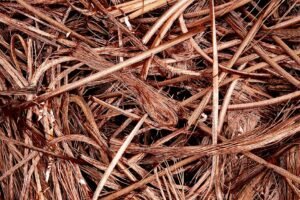
- Strip Copper Wire: While it takes time, stripping the plastic insulation from copper wire can significantly increase the value of the material.
- Keep it Dry: Store your scrap in a covered area. Rust and water weight can negatively affect the perceived quality of your ferrous metals.
- Monitor Market Trends: Scrap prices fluctuate daily. If you have a large stockpile, wait for a peak in the market before selling.
- Use Reliable Scales: If you are selling large quantities, ensure the facility uses calibrated, government-certified scales.
By following these steps, you demonstrate professionalism to the yard operators, which often leads to better long-term relationships and potentially better ‘regular client’ pricing tiers. For more detailed guides on how to prepare your materials, visit the leading scrap metal trading platform for industry-standard best practices.
The Future of Recycling and Circular Economy
The transition toward a circular economy is accelerating, and the scrap metal industry is at the forefront of this change. In the past, scrap was viewed as ‘junk’ to be disposed of; today, it is recognized as a ‘secondary resource.’ This shift in perspective is driving innovation in how we collect and process materials. Advanced sensor-based sorting technologies are now being used in large facilities to identify metal alloys with precision, ensuring that the recycled output is of the highest possible purity.
Furthermore, the integration of digital platforms has made the scrap market more transparent than ever before. Real-time pricing updates, digital booking for collections, and online tracking of scrap loads have replaced the opaque, manual processes of the past. This digital transformation allows businesses to better forecast their revenue from waste materials. For comprehensive resources and industry insights, you can check out the latest updates at the professional scrap metal trading portal to stay informed about regulatory changes and market shifts.
As Bankstown continues to grow, the demand for efficient, sustainable metal recycling will only increase. By choosing to recycle locally, you are supporting the regional economy and reducing the carbon footprint associated with transporting scrap across the country. The commitment to local recycling is a commitment to a cleaner, more prosperous future for Sydney.
Safety and Compliance in Scrap Handling
Safety is paramount when dealing with scrap metal. Sharp edges, heavy loads, and hazardous contaminants are common risks. When visiting a facility, always wear appropriate Personal Protective Equipment (PPE), including steel-capped boots, gloves, and high-visibility vests. If you are handling large or awkward items, use mechanical aids like forklifts or trolleys to prevent injury.
Compliance is equally important. Many scrap yards are now required to maintain detailed logs of transactions to prevent the trade of stolen goods. Expect to provide identification when selling scrap, as this is a standard industry requirement designed to protect both the recycler and the community. By working with reputable, compliant businesses, you ensure that your scrap is handled ethically and legally.
Conclusion: Choosing the Right Partner
Finding the right partner for your metal recycling needs is about more than just finding the highest price. It is about reliability, convenience, and trust. Whether you are a local resident looking to clear out an old shed or a large-scale construction firm managing ongoing waste, the principles of successful scrap trading remain the same: sort your materials, understand the market, and choose a licensed facility that values transparency.
Bankstown offers a robust network of recycling professionals ready to assist with your requirements. By leveraging the resources and tips outlined in this guide, you can ensure that your scrap metal is recycled in a way that is both economically beneficial and environmentally responsible. Remember to stay informed, keep your materials clean, and maintain a consistent relationship with your chosen recycler to reap the long-term rewards of the circular economy.
Frequently Asked Questions
Frequently Asked Questions
What items are accepted at metal recycling Bankstown facilities?
Most facilities accept a wide range of items including copper piping, electrical wiring, aluminium cans, steel beams, car batteries, and old appliances. It is best to call ahead if you have large or unusual items like industrial machinery.
Do I need to strip insulation off copper wire?
While not strictly required, stripping insulation from copper wire will significantly increase the price you receive per kilogram. Clean, bright copper is considered a premium grade and commands the highest market rates.
Why do scrap metal prices change so often?
Scrap metal prices are driven by global supply and demand, commodity market fluctuations, and currency exchange rates. Because metal is a global commodity, local prices in Bankstown reflect these international market shifts.
What documentation do I need to sell scrap metal?
In Australia, you typically need to provide a valid government-issued photo ID, such as a driver’s license, to comply with anti-theft regulations. Some facilities may also require an ABN if you are selling as a business.