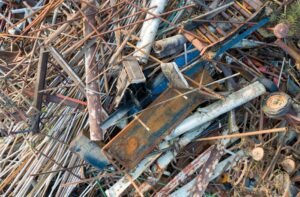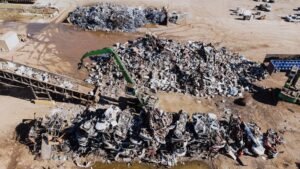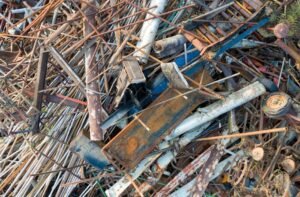

The term metal recycling goolwa refers to the systematic collection, processing, and resale of discarded metal materials in the Goolwa region of South Australia. As communities become increasingly aware of sustainability and environmental responsibility, metal recycling goolwa has emerged as a vital service for households, contractors, automotive repair shops, and industrial operators alike. This comprehensive guide explores every critical aspect of metal recycling in Goolwa — from the types of metals accepted and the economic incentives involved, to environmental impacts, regulatory compliance, and how to choose the right recycling partner. Whether you’re clearing out an old garage, managing construction waste, or running a manufacturing facility, understanding the nuances of metal recycling goolwa ensures you make informed, responsible decisions that benefit both your bottom line and the planet.
What Is Metal Recycling Goolwa and Why It Matters
Metal recycling goolwa is not just a local waste management solution; it is a cornerstone of modern environmental stewardship and circular economy practices in regional South Australia. Goolwa, located approximately 100 kilometers south of Adelaide along the Fleurieu Peninsula, is a semi-rural coastal town with growing infrastructure and tourism industries. As development increases, so does the volume of scrap metal generated from renovations, vehicle repairs, demolition, and industrial activity. Recycling this metal reduces the need for virgin ore extraction, lowers greenhouse gas emissions, and conserves energy — all while supporting local economies through job creation and material resale.
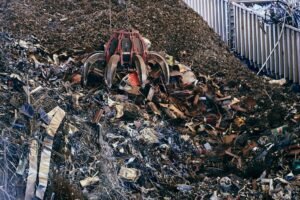
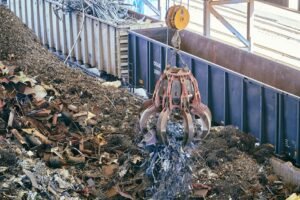
The process of metal recycling goolwa begins with the collection of ferrous (iron-based) and non-ferrous (copper, aluminum, brass, stainless steel) metals. These materials are sorted, processed, and transported to larger recycling hubs where they are melted down and reformed into new products. According to the Australian Bureau of Statistics, the nation recycles over 70% of its steel and nearly 50% of aluminum annually — figures that could be significantly improved with expanded regional participation. Goolwa’s proximity to Adelaide and major transport corridors makes it a strategic node for aggregating scrap before shipment to core processing facilities.
Engaging in Scrap Metal Recycling Near Me services ensures that recyclable metals don’t end up in landfills, where they can leach harmful substances or take centuries to decompose. Moreover, recycling metal uses up to 95% less energy than producing new metal from raw ore, making it one of the most impactful sustainability actions available to individuals and businesses in the region.
Types of Metals Accepted in Metal Recycling Goolwa
Understanding which metals are recyclable is essential for maximizing returns and minimizing contamination. Most metal recycling goolwa facilities accept two broad categories: ferrous and non-ferrous metals.
Ferrous metals contain iron and are magnetic. Common examples include:
- Steel from construction beams, appliances, and vehicles
- Cast iron from pipes, radiators, and machinery parts
- Sheet metal from roofing and fencing
- Reinforcement bars (rebar) from demolition sites
These materials are typically less valuable than non-ferrous metals but are recycled in large volumes due to their widespread use in infrastructure and manufacturing.
Non-ferrous metals do not contain iron and are non-magnetic. They are generally more valuable due to their resistance to corrosion and high demand in electronics and aerospace industries. These include:
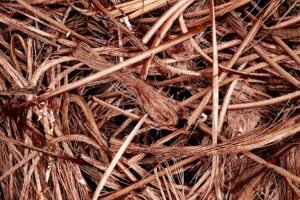
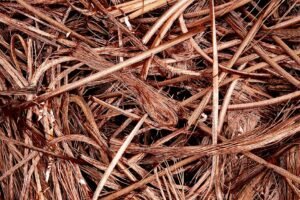
- Copper — found in electrical wiring, motors, and plumbing fixtures. One of the highest-value scrap metals.
- Aluminum — from beverage cans, window frames, and car parts. Lightweight and highly recyclable.
- Brass — used in plumbing fittings, musical instruments, and decorative hardware.
- Stainless steel — from kitchen appliances, cutlery, and industrial equipment.
- Zinc and lead — often recovered from batteries and roofing materials.
These metals are critical in modern technology and are in constant demand globally.
To ensure accurate pricing and efficient processing, it’s important to separate metals by type before delivery. Contaminated loads — such as mixed metals, dirt, or non-metallic debris — may be downgraded or rejected. Some facilities offer on-site sorting and testing using handheld XRF (X-ray fluorescence) analyzers to determine metal composition and purity.
How Metal Recycling Goolwa Supports the Environment
The environmental benefits of metal recycling goolwa are substantial and multifaceted. Recycling scrap metal directly reduces the ecological footprint associated with mining, refining, and transporting virgin materials. For example, producing recycled aluminum saves up to 95% of the energy required to extract and process bauxite ore. This translates into fewer greenhouse gas emissions, reduced reliance on fossil fuels, and decreased water consumption.
In Australia, the metal recycling industry prevents millions of tons of CO₂ emissions annually. According to the Australian Council of Recycling (ACOR), every tonne of recycled steel saves 1.1 tonnes of iron ore, 630 kg of coal, and 55 kg of limestone. When scaled across the Goolwa region, even modest participation in metal recycling goolwa can lead to measurable environmental improvements.
Landfill diversion is another critical benefit. Metals do not decompose and can occupy significant space in landfills. Worse, certain metals — such as lead and cadmium — can leach into soil and groundwater if not properly managed. By participating in Metal Recycling Near Me programs, residents and businesses help prevent pollution and extend the lifespan of regional waste disposal facilities.
Furthermore, metal recycling goolwa supports biodiversity and habitat preservation. Mining operations often disrupt ecosystems, displace wildlife, and degrade landscapes. By reducing demand for new metal extraction, recycling helps protect natural areas — including sensitive coastal and riverine environments near Goolwa, such as the Murray River estuary and the Coorong National Park.
Economic Benefits of Metal Recycling Goolwa
Beyond environmental gains, metal recycling goolwa delivers tangible economic advantages. For individuals, selling scrap metal can generate extra income — particularly when non-ferrous metals like copper and aluminum are involved. Prices fluctuate based on global commodity markets, but as of 2024, copper averages around AUD $9–$11 per kilogram, while aluminum fetches $1.50–$2.50/kg depending on grade and purity.
Local businesses benefit in multiple ways. Construction firms, auto repair shops, and manufacturers can offset operational costs by recycling offcuts, obsolete equipment, and end-of-life machinery. Some companies even integrate scrap recovery into their supply chain logistics, partnering with recyclers to manage waste streams efficiently. This not only improves sustainability credentials but can also enhance compliance with environmental regulations and boost public image.
The recycling sector itself is a significant employer in regional Australia. From collection drivers and sorting technicians to quality control inspectors and logistics coordinators, metal recycling goolwa supports skilled and semi-skilled jobs. According to the Department of Jobs and Small Business, the recycling and waste management industry employs over 55,000 Australians, with steady growth projected through 2030.
Additionally, recycled metals feed into domestic manufacturing, reducing reliance on imported raw materials. This strengthens supply chain resilience and promotes economic self-sufficiency. For example, recycled steel is used in building infrastructure, while reclaimed aluminum goes into new transport vehicles and consumer goods. By participating in Core Metal Recycling, Goolwa contributors become part of a national network that powers sustainable production.
How to Prepare Scrap Metal for Recycling in Goolwa
Proper preparation is key to maximizing returns and ensuring a smooth recycling experience. Whether you’re a homeowner cleaning out a shed or a contractor managing a renovation project, these steps will help you get the most out of metal recycling goolwa.
Step 1: Identify and Sort Metals
Separate ferrous and non-ferrous metals. Use a magnet — if it sticks, it’s ferrous (steel or iron); if not, it’s likely aluminum, copper, brass, or stainless steel. Further sorting by metal type increases value.
Step 2: Remove Contaminants
Clean off dirt, wood, plastic, rubber, or insulation. For example, strip insulation from copper wire to access bare metal. Contaminated loads may be downgraded or rejected, reducing payout.
Step 3: Dismantle When Possible
Break down appliances, furniture, or machinery to isolate valuable components. Remove circuit boards, motors, and copper coils. This increases the concentration of high-value metals and reduces weight from non-recyclable parts.
Step 4: Store Safely
Keep metals dry and organized. Moisture can cause rust, especially in steel, which may lower its market value. Use labeled containers or pallets to maintain separation.
Step 5: Transport Efficiently
Load materials securely to prevent shifting during transit. Consider the vehicle’s weight capacity — overloading can be unsafe and illegal. Many recycling centers offer bulk pickup services for large loads.
By following these best practices, you ensure that your contribution to metal recycling goolwa is both economically rewarding and environmentally effective. For those seeking similar services in other regions, exploring options like hornsby metal recycling or metal recycling hornsby can provide insight into scalable models applicable across Australia.
Finding the Right Metal Recycling Facility in Goolwa
Choosing a reputable metal recycling goolwa facility requires due diligence. Not all recyclers offer the same services, pricing structures, or environmental standards. Here are key factors to consider:
- Licensing and Compliance: Ensure the facility is licensed under South Australian environmental regulations and adheres to Work Health and Safety (WHS) standards.
- Transparent Pricing: Look for recyclers that publish current scrap rates or provide on-site weighing and immediate payment.
- Accepted Materials: Confirm which metals they accept — some may not process mixed loads or hazardous materials like batteries or radioactive components.
- Customer Service: Evaluate responsiveness, professionalism, and willingness to answer questions about processes and documentation.
- Sustainability Practices: Inquire about their downstream partnerships, emissions controls, and waste reduction initiatives.
Many modern recyclers offer digital tools such as online price calculators, mobile apps for scheduling pickups, and instant quotes via photo uploads. The national platform Scrap Trade connects users with verified recycling partners across Australia, streamlining the process of finding trusted services. For those interested in broader industry trends and market insights, Scrap Trade Australia provides up-to-date news, policy updates, and educational resources.
When evaluating options, consider visiting the facility in person. Observe cleanliness, organization, and safety protocols. A well-run site reflects operational integrity and a commitment to quality — traits that benefit both recyclers and suppliers.
Regulations and Safety in Metal Recycling Goolwa
Metal recycling goolwa is subject to various state and federal regulations designed to protect public health, worker safety, and the environment. In South Australia, the Environment Protection Authority (EPA) oversees waste management and recycling operations under the Environment Protection Act 1993. Facilities must obtain appropriate licenses, conduct regular environmental monitoring, and manage stormwater runoff to prevent contamination.
Workplace safety is equally critical. The handling of scrap metal involves risks such as cuts, crushing injuries, and exposure to hazardous substances (e.g., asbestos in older insulation or lead in paints). Reputable recyclers comply with SafeWork SA guidelines, provide personal protective equipment (PPE), and conduct staff training on safe machinery operation and emergency procedures.
For individuals, safety begins at home. When collecting scrap, wear gloves, sturdy footwear, and eye protection. Avoid dismantling electronics or appliances unless trained — some components contain toxic materials. Never burn insulated wire to extract copper, as this releases carcinogenic fumes and violates environmental laws.
Illegal dumping and metal theft are ongoing concerns. Authorities monitor suspicious transactions, and recyclers are required to maintain records of sellers, including photo ID and details of the materials provided. This deters the sale of stolen goods and supports law enforcement efforts. Always bring identification and documentation when selling large quantities of scrap.
Future of Metal Recycling Goolwa and Regional Expansion
The future of metal recycling goolwa is bright, driven by technological innovation, policy support, and rising public awareness. Advances in sorting technology — such as AI-powered optical sorters and robotic separation systems — are improving purity and efficiency in processing lines. These innovations reduce labor costs and increase the recovery rate of high-value metals, making regional operations more competitive.
Government initiatives are also playing a role. The South Australian Circular Economy Strategy aims to achieve a 70% resource recovery rate by 2030, with targeted investments in recycling infrastructure and community education. Programs like Container Deposit Schemes (CDS) have already demonstrated success in boosting participation, and similar models could be expanded to cover scrap metal.
Digital platforms are transforming access. Online marketplaces like Scrap Trade connect suppliers directly with buyers, enabling real-time pricing, transparent transactions, and nationwide reach. This democratizes the industry, allowing even small-scale collectors in Goolwa to compete in broader markets.
As demand for sustainable materials grows — particularly in electric vehicles, renewable energy systems, and green buildings — the value of recycled metals will continue to rise. Goolwa’s strategic location between Adelaide and Victor Harbor positions it well to become a regional hub for scrap aggregation and pre-processing. With continued investment and community engagement, metal recycling goolwa can evolve from a local service into a model of regional sustainability.
Frequently Asked Questions
Where can I recycle scrap metal in Goolwa?
You can recycle scrap metal at licensed recycling facilities in or near Goolwa that accept ferrous and non-ferrous metals. Many operators offer weighbridges, immediate payment, and sorting assistance. For a list of verified locations, visit Scrap Metal Recycling Near Me.
How much is scrap metal worth in Goolwa?
Scrap metal prices in Goolwa vary based on type, purity, and global market trends. As of 2024, copper ranges from $9–$11/kg, aluminum $1.50–$2.50/kg, and steel around $200–$300 per tonne. Check with local recyclers for current rates.
Do I need ID to sell scrap metal in Goolwa?
Yes, most recycling centers in Goolwa require photo ID and documentation when selling scrap metal to prevent the sale of stolen materials. This is mandated under state anti-theft regulations and applies to all individuals and businesses.
Can I get scrap metal picked up in Goolwa?
Yes, many metal recycling goolwa services offer bulk pickup for residential, commercial, and industrial clients. Contact local recyclers or use platforms like Scrap Trade to arrange scheduled collections based on your volume and location.