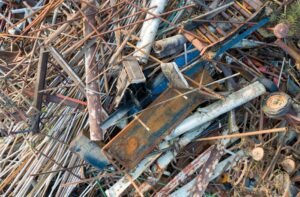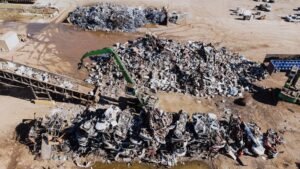

Metal recycling Hornsby is more than a weekend clean-up—it is a regulated, revenue-generating industry that keeps valuable resources inside the local economy, cuts carbon emissions, and supplies Australian manufacturers with affordable raw material. This guide walks homeowners, tradespeople, demolition companies, and facility managers through every practical detail: where to go, how to sort, what to expect to be paid, which laws apply, and how to maximise returns while staying compliant.
1. Why Metal Recycling Hornsby Matters for the North Shore Economy
Hornsby Shire generates roughly 14 000 t of scrap metal each year from households, workshops, building sites and the light-industrial precincts around Asquith and Thornleigh. Without local reprocessing, that material would travel 50–80 km to port facilities, adding transport cost and greenhouse gases. The existing network of recyclers clustered along the Pacific Highway and the NorthConnex corridor keeps freight movements local and supports 200-plus direct jobs. From a macro view, every tonne of steel that bypasses landfill saves 1 131 kg of iron ore, 633 kg of coal and 54 kg of limestone, according to BlueScope data. Copper and aluminium recycling saves more than 85 % of the energy required for virgin smelting. For ratepayers, diversion from landfill pushes out the life of the local waste cell at Somersby, deferring millions in future levy hikes.
2. Local Landscape: Facilities, Access Points and Operating Hours
Hornsby hosts two large-scale processing yards and a string of satellite drop-offs. The main players accept everything from whitegoods to structural beams, cable, turnings and e-waste that contains precious metals. Opening times run six days, with extended Saturday hours to suit DIY renovators.
- Hornsby Metal Recyclers: 3–21 Galston Road, open 7 am–4 pm Monday to Friday, 7 am–1 pm Saturday. Public weighbridge, drive-through scrap lane, EFTPOS on the spot.
- North Shore Scrap Metals: 107–113 Peats Ferry Road, open 6 am–5 pm weekdays, 6 am–12 pm Saturday. Delivers to Toll and Linfox logistics hubs; offers same-day pick-up for bins over 3 m³.
- Ku-ring-gai Waste & Recycling (KWR): 10–12 Chilvers Road, Thornleigh. Known for aluminium siding and window extrusion; runs a dedicated copper briquetting line, producing furnace-ready pucks for smelters.
If you need broader coverage, use the interactive map on Scrap Metal Recycling Near Me to locate additional depots inside a 20 km radius. Many facilities share data with ScrapTrade, so pricing and opening hours update hourly.
3. Accepted Materials, Sorting Tips and Contamination Penalties
Metal recycling Hornsby facilities will pay for clean, sorted scrap. Mixed loads are docked $40–$80 per tonne because extra labour is required to segregate ferrous from non-ferrous grades. Follow these steps:
- Pre-sort into steel, stainless steel, aluminium, copper, brass and mixed alloys.
- Remove wood, concrete, rubber and plastic attachments. A single radiator hose left on a copper/brass radiator can downgrade the category from “clean” to “irony” and cost you 60 c per kg.
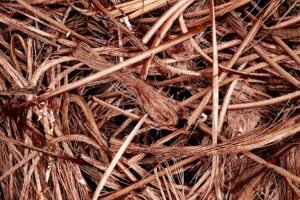
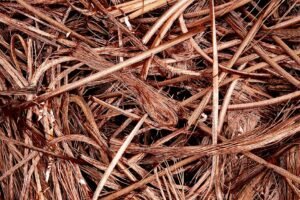
- Cut copper cable to 30 cm lengths and strip insulation if you have time. Bare bright copper fetches $11.30–$11.90 per kg vs $6.80 for plastic-coated.
- Keep lead wheel weights separate; they attract a higher rate when free of steel clips.
Tradespeople who generate turnings or swarf should briquette or at least drain cutting oil. Hornsby Metal Recyclers charges a 15 % levy on oil-contaminated swarf because EPA tracking now requires proof the oil is later recycled, not incinerated.
4. Pricing Overview: What Hornsby Recyclers Pay in 2024
Prices fluctuate daily in line with London Metal Exchange (LME) and local AUD/USD moves. Below are spot ranges recorded by the team at ScrapTrade during the past quarter:
| Grade | Price (AUD per kg) | Notes |
|---|---|---|
| Heavy structural steel | $0.22–$0.26 | Cut to <1.5 m, no concrete |
| Cast iron | $0.24–$0.28 | Manholes, engine blocks |
| Aluminium extrusion | $1.40–$1.60 | Clean, no plastic |
| Aluminium cans | $1.10–$1.25 | Delivered in bulk bags |
| Copper bright & shiny | $11.30–$11.90 | Free of solder, paint |
| Copper #2 | $10.50–$11.00 | Some tarnish or solder |
| Brass | $5.80–$6.20 | Valves, taps, shells |
| Stainless 304 | $1.90–$2.10 | Non-magnetic |
| Stainless 316 | $2.70–$2.90 | Marine grade |
| Batteries (lead/acid) | $0.55–$0.65 | Whole, no cracks |
Payment is instant by EFTPOS or cheque for amounts under $1 000; above that you need ID for the government’s cash-ban compliance. To lock in a higher rate, book a forward contract through ScrapTrade.com.au and deliver within seven days.
5. Scrap Metal Collection Services for Homes and Construction Sites
Busy residents or builders can schedule pick-up instead of driving to the yard. Most operators provide 2 m³, 4 m³ and 6 m³ bins dropped by crane truck. Fill the bin on site, then text for collection. Typical pricing:
- 2 m³ steel bin: $120 pick-up fee, rebated against scrap value. Net cost is usually nil or positive.
- 4 m³ bin with 1 t mixed steel: $0 gate fee and $220 credit paid to you.
- 6 m³ bin with clean copper pipe: free collection plus cash paid on the spot.
Book through the Metal Recycling Near Me portal to compare local carriers and lock in a 90-minute arrival window. For demolition contractors who need documentation for council resource-recovery reports, the same system provides weighbridge dockets and diversion-from-landfill certificates automatically.
6. Legal Requirements: Cash Ban, Photo ID and EPA Tracking
Since 2018 the NSW Scrap Metal Industry Police Power Act prohibits cash transactions above $1 000. Operators must verify identity with a driver licence or passport and record the seller’s details in the Public Register. EPA also issues on-the-spot fines for facilities that accept copper cable without proof of legitimate origin. When you sell copper cable thicker than 30 mm, you must supply either a statutory declaration or a written statement from a licensed electrician confirming it was lawfully removed. If you can’t provide paperwork, recyclers are required to photograph the material and hold it for five days before processing. These rules deter copper theft but also protect legitimate sellers by stabilising prices.
7. Environmental Impact and Carbon Accounting
Recycling one tonne of aluminium saves 16 000 kWh compared with bauxite mining and alumina refining. That is enough electricity to power the average Hornsby home for 21 months. Steel recycling saves 1.8 t of CO₂ per tonne produced, and copper saves 3.6 t. Taken together, the 14 000 t of scrap recycled locally each year cuts about 24 000 t of CO₂, equal to removing 5 200 cars from the road. Businesses that join the Core Metal Recycling program receive an annual carbon-abatement certificate they can use for ESG reporting or to offset Scope 3 emissions.
8. Business Opportunities: How to Turn Scrap into a Revenue Stream
Panel-beaters, plumbers, HVAC installers, demolition crews and even office-strip-out contractors can bundle scrap into regular bins and treat it as a line item on job costing. Average returns per trade:
- Panel shop: 120 kg of aluminium off-cuts and zinc-coated steel per week → $2 300 income per quarter.
- Plumber: 35 kg copper pipe and brass fittings per week → $1 450 income per quarter.
- Strip-out crew: 1.2 t structural steel and 180 kg copper cable per office floor → $5 000 income per project.
Issue purchase orders that separate scrap revenue from labour; clients often agree to lower disposal fees when they know recycling revenue is rebated back to them. Use cloud inventory software with a scrap module so bins are weighed on site and values are tracked automatically.
9. Community Initiatives, School Fundraisers and Council Programs
Hornsby Shire Council runs the “Recycle & Reward” weekend each spring at the Hornsby Park carpark where residents can drop aluminium cans, old phones and small e-waste. Proceeds fund local bush-care groups. Schools can host Bunnings sausage sizzles plus scrap drives—collecting aluminium doors or window frames nets roughly $1.50 per kilo, enough to pay for new sports equipment. Council also issues waste-education vouchers to pre-schools that visit a licensed facility and complete the EPA-approved tour.
10. Troubleshooting: What to Do When the Yard Rejects Your Load
Rejections happen for three main reasons: contamination, oversized pieces, or incorrect classification. Solutions:
- Contamination: Take material home, remove plastic or wood, then return. Facilities will re-weigh and pay full rate.
- Oversized: Use a reciprocating saw or oxy torch to cut beams to <1.5 m lengths. Most yards let you use their hydraulic shear for free if you are delivering more than 500 kg.
- Incorrect classification: Ask the yard manager to show you the AS 1526 grading chart. If you believe your copper is #1 and they insist on #2, you can request an on-site assay with a portable XRF gun; the fee is $35 and results take 10 min.
11. Future Outlook: Automation, Green Steel and Hydrogen
Australia’s first “green steel” pilot plant is slated for Port Kembla, using hydrogen instead of coking coal. The project will consume 1 Mt per year of scrap as feedstock, driving demand for high-quality shredded scrap from the Sydney basin. Locally, expect investment in robotic sorting lines and AI-driven eddy-current separators that increase purity and raise gate prices for household scrap by an estimated 5–7 % over the next five years. Hornsby facilities are already trialling mobile sensor-based sorters to reduce hand picking, which means faster throughput and shorter queues for customers.
12. Conclusion: Your Next Steps
Metal recycling Hornsby offers genuine cash rewards, environmental benefits and compliance advantages for businesses. Start by sorting your scrap, then contact a local facility for today’s price. If you prefer collection, book through scrap metal recycling hornsby and lock in your pick-up window. For larger projects across multiple suburbs, compare the options at camden metal recycling to coordinate logistics. Whether you are a DIY renovator or a national demolition firm, treating scrap as a commodity rather than waste will boost your bottom line and help the planet.
Related: scrap metal recycling hornsby
Frequently Asked Questions
Do I need to remove plastic handles from aluminium pots?
Yes. Plastic is considered contamination and lowers the grade from clean aluminium to breakage, costing you about 30 c per kg. Snap handles off with pliers before you load the bin.
Can I sell an old car that still has fuel in the tank?
No. Facilities require fuel, oil and coolant to be removed for safety and EPA compliance. Drain all fluids and remove the battery before the recycler will weigh and pay for the shell.
Is there a minimum quantity for collection services?
Most operators require at least 300 kg of steel or 50 kg of non-ferrous scrap to justify collection. Bins under that weight can still be picked up but may attract a $50 transport fee.
What ID do I need for transactions over $1 000?
Bring your driver licence or passport plus a secondary document such as a Medicare card. The recycler records the details online to comply with NSW’s cash-ban legislation.