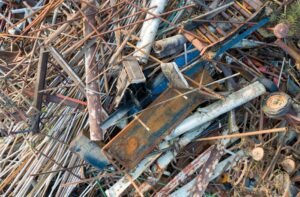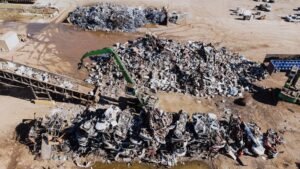

When it comes to metal recycling Parramatta, the city serves as a critical hub for both industrial-scale operations and residential scrap collection in Western Sydney. As the region continues to undergo rapid urban development, the volume of construction, demolition, and household metallic waste has surged, making efficient recycling practices more important than ever. Whether you are a local tradie clearing out a job site or a homeowner disposing of old appliances, understanding the local market dynamics is essential to maximizing your returns and ensuring environmental compliance.
The Economic Impact of Metal Recycling in Parramatta
Parramatta is uniquely positioned as a central business and industrial district, meaning the flow of scrap metal is constant. By choosing to participate in scrap metal parramatta initiatives, you are not just clearing clutter; you are participating in a circular economy that prevents thousands of tonnes of material from entering landfills. The economic value of scrap is driven by global commodity prices, but local processing facilities in Parramatta provide the necessary infrastructure to bridge the gap between waste and raw material.
For those searching for a facility, finding Scrap Metal Recycling Near Me is the first step toward responsible disposal. The process involves identifying whether your material is ferrous (iron-based) or non-ferrous (copper, aluminum, brass). Non-ferrous metals generally command a higher price due to their scarcity and the energy savings associated with recycling them compared to extracting new ore. By utilizing a professional scrap trading platform, you can track current market rates and ensure you are dealing with reputable buyers who adhere to strict environmental standards.
Understanding Core Metal Recycling Processes
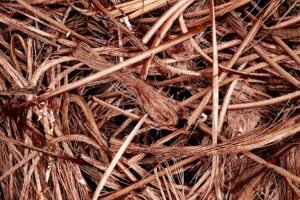
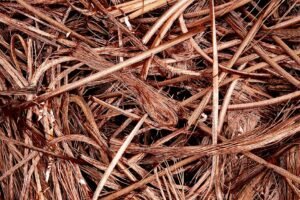
Effective recycling begins with proper sorting. Core Metal Recycling is a fundamental concept that refers to the recovery of high-value components that can be reused in their current form or processed with minimal energy. In Parramatta, industrial scrap often includes copper wiring, aluminum frames, and structural steel from demolition sites. Each of these materials requires a specific handling protocol to ensure purity, as contaminated scrap is significantly less valuable.
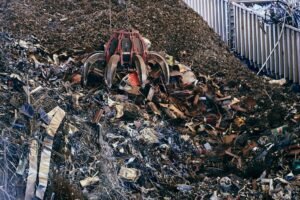
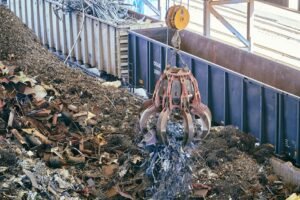
If you are looking for Metal Recycling Near Me, you should look for facilities that offer transparent weighing and grading services. Transparency is the hallmark of a professional recycler. When you bring your scrap to a yard in Parramatta, the material is weighed on certified scales, and the price is determined by the current spot price of the metal. For large-scale industrial clients, many recyclers offer bin services and scheduled pickups, which streamline the logistics of managing heavy metallic waste.
The Logistics of Scrap Metal in Western Sydney
Logistics play a massive role in the profitability of recycling. Because metal is heavy and bulky, transport costs can eat into your margins if not managed correctly. Parramatta’s central location makes it an ideal transit point. However, it is important to compare service providers. While some may focus exclusively on the Parramatta region, others may operate across a broader network, such as those providing metal recycling tottenham services, which can offer alternative pricing structures or specialized equipment for specific types of alloys.
When planning your scrap delivery, consider the volume. High-volume scrap providers can often negotiate better rates. It is also beneficial to keep your metals separated by type before arriving at the yard. Mixing copper with steel, for example, results in a lower “mixed scrap” price, whereas clean, separated loads are highly sought after by recyclers. You can find more information on industry standards by visiting the leading Australian scrap metal network, which provides comprehensive resources for both individual and commercial scrap traders.
Environmental Benefits and Sustainability
The environmental case for metal recycling Parramatta is compelling. Recycling aluminum, for instance, requires 95% less energy than producing it from raw bauxite ore. Similarly, recycling steel saves approximately 75% of the energy needed for virgin production. By choosing to recycle, you are directly contributing to a reduction in greenhouse gas emissions and the preservation of natural landscapes that would otherwise be mined.
Furthermore, local recycling initiatives in Parramatta help manage the growing problem of electronic waste (e-waste). Many modern scrap facilities are equipped to handle the complex components found in computers, servers, and telecommunications equipment, which contain precious metals like gold, silver, and palladium. Ensuring these items are processed in a certified facility prevents hazardous chemicals, such as lead and mercury, from leaching into the local soil and water table.
How to Maximize Your Scrap Returns
To get the most out of your scrap, preparation is key. Here are several expert tips for the Parramatta area:
- Sort by Metal Type: Always separate ferrous (magnetic) from non-ferrous (non-magnetic) metals.
- Clean Your Scrap: Remove non-metallic attachments like plastic, wood, or rubber. Clean copper pipes are worth significantly more than those coated in insulation or paint.
- Check Market Trends: Metal prices fluctuate daily. Keep an eye on global commodity charts before taking a large load to the yard.
- Verify Credentials: Ensure the facility you choose is licensed and follows EPA guidelines. This protects you from legal liability and ensures ethical processing.
- Use Reliable Transport: If you have a large amount of scrap, look for companies that offer bin services to avoid multiple trips.
By following these steps, you transform a pile of waste into a reliable revenue stream. The market for scrap metal is global, but the action happens locally. Whether you are operating in the heart of Parramatta or on the outskirts, the principles of high-value recycling remain the same: purity, volume, and timing.
Safety and Compliance in Scrap Handling
Safety is paramount when handling scrap metal. Sharp edges, heavy loads, and hazardous materials are common risks. When visiting a facility for metal recycling Parramatta, always wear appropriate Personal Protective Equipment (PPE), including steel-toe boots, gloves, and high-visibility clothing. If you are dealing with industrial machinery, ensure it has been properly decommissioned and that all fluids (oil, coolant, hydraulic fluid) have been drained and disposed of according to environmental regulations.
Compliance is equally important. In Australia, scrap metal traders are subject to strict regulations to prevent the trade of stolen goods. Expect to provide identification and documentation when selling high-value scrap. Reputable recyclers maintain rigorous records, which not only keeps the industry safe but also provides you with a clear paper trail for your business accounting and tax purposes.
Future Trends in the Recycling Industry
The industry is currently moving toward more advanced sorting technologies, including X-ray fluorescence (XRF) analyzers that can identify alloy compositions in seconds. As these technologies become more accessible, we expect to see even higher recovery rates for specialized alloys. Parramatta, as a growing urban center, is perfectly positioned to adopt these technologies, making it a leader in the Australian recycling landscape.
As we look toward the future, the integration of digital platforms for real-time pricing and logistics will continue to change how we interact with scrap yards. The ability to book a pickup, check live prices, and track your environmental impact via a mobile app is no longer a luxury—it is becoming the standard. Staying informed through industry-leading portals ensures that you remain ahead of the curve, maximizing both your financial returns and your contribution to a sustainable future.
Conclusion
The landscape of metal recycling in Parramatta is vast, offering significant opportunities for those who understand the nuances of the trade. From the basic principles of sorting and cleaning to the complex logistics of industrial scrap management, your success depends on choosing the right partners and staying informed about market conditions. By leveraging the resources available through professional networks, you can ensure that your scrap is handled with the highest level of efficiency and environmental responsibility. Whether you are a professional contractor or an individual with a one-off load, the commitment to recycling is a commitment to a better, more sustainable Australia. Start your journey today by connecting with local facilities and turning your metallic waste into a valuable asset.
Frequently Asked Questions
What types of metal can I recycle in Parramatta?
You can recycle both ferrous metals like steel and iron, and non-ferrous metals such as copper, aluminum, brass, and lead. Most facilities also accept specialized items like e-waste, vehicle parts, and structural demolition scrap.
How is the price of scrap metal determined?
Prices are primarily driven by global commodity market rates, which fluctuate daily based on supply and demand. Local factors such as the purity of your metal, the volume you provide, and the current processing costs at the facility also influence the final payout.
Do I need to clean my scrap before bringing it to a recycler?
Yes, cleaning your scrap by removing non-metallic contaminants like plastic, rubber, or wood significantly increases its value. Clean, sorted loads are easier to process and command higher prices than mixed or contaminated scrap.
Is it legal to sell scrap metal in Parramatta?
Yes, it is legal, provided you use a licensed scrap metal dealer. You will typically be required to provide valid photo identification to comply with local regulations designed to prevent the trade of stolen property.