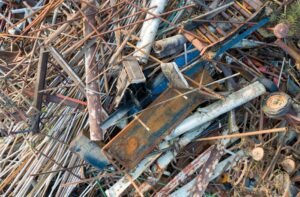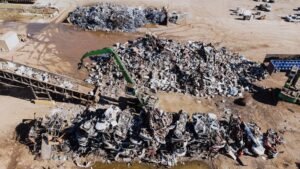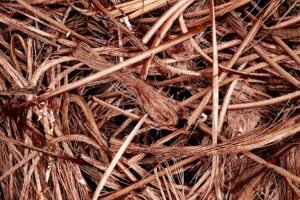

When you search for metal recycling prices near me, you are looking for the most up‑to‑date price per kg or price per tonne that local scrap yards and nearby recyclers are willing to pay for your ferrous and non‑ferrous metals. This guide explains exactly how those numbers are set, which factors push them up or down, and how you can secure the best market rate in your area.
Understanding Metal Recycling Prices Near Me
The Australian scrap metal market operates on a transparent, commodity‑driven pricing model. Prices are quoted in Australian dollars per kilogram (price per kg) or per tonne (price per tonne) and are published by major exchanges such as the London Metal Exchange (LME) and the Shanghai Futures Exchange. Local recyclers then adjust those global benchmarks to reflect transportation costs, processing efficiency, and regional demand. In practice, you will see a range of figures on websites, at the gate of a local scrap yard, or on mobile apps that aggregate current scrap prices. The most reliable source for a snapshot is the Scrap Metal Prices Near Me page, which pulls live data from multiple Australian recyclers.
How Prices Are Determined: The Pricing Mechanism
There are three core steps in the price‑setting chain:
- Global Commodity Benchmark: International exchanges publish daily settlement prices for base metals like copper, aluminium, steel, and lead. These are the reference points for Australian markets.
- Domestic Adjustment: Australian brokers apply a premium or discount based on the Australian dollar’s strength, freight costs from port to inland facilities, and the prevailing supply‑demand balance.
- Local Yard Margin: Each local scrap yard adds its own margin to cover labor, equipment wear, and environmental compliance. This final figure is what you receive as the price per kg when you bring metal to the gate.
Because each step involves market participants with different cost structures, the price you see on a national website can differ by 5‑15% from the figure quoted at the nearest recycler in your suburb.
Key Factors Influencing Metal Recycling Rates
Understanding the drivers behind price fluctuations helps you time your sales for maximum return. The most influential factors include:
- International Demand: Construction booms in China or Europe raise demand for copper and aluminium, pushing up the LME price and, consequently, Australian rates.
- Currency Movements: A stronger Australian dollar makes imported scrap cheaper, reducing local demand and lowering prices.
- Seasonal Construction Activity: In Australia, the building season (spring to early autumn) spikes demand for steel and rebar, raising the market rate for ferrous scrap.
- Regulatory Changes: New environmental regulations can increase processing costs, which are passed on as a lower price per tonne for sellers.
- Supply Chain Disruptions: Port closures, trucking shortages, or sudden influxes of imported scrap can cause short‑term price swings.
By monitoring these variables, you can anticipate when metal prices today are likely to peak.
Regional Variations: Why “My Area” Matters
Australia’s vast geography means that metal recycling prices near me can vary dramatically between states and even between suburbs. The reasons are straightforward:
- Proximity to Ports: Recyclers near major ports such as Sydney, Melbourne, or Brisbane enjoy lower freight costs, allowing them to offer higher gate prices.
- Local Industry Mix: Areas with heavy manufacturing (e.g., Western Australia’s mining towns) often have higher demand for specific alloys, influencing the local market rate.
- Competition Density: A higher concentration of scrap yards creates competitive pricing, which can benefit you as a seller.
When you type “metal recycling prices near me” into a search engine, the results are tailored to your GPS location, showing the most relevant Scrap Metal Recycling Near Me listings. Always compare at least three nearby yards to gauge the true market rate for your my area supply.
Practical Tips to Get the Best Price per kg
Here are proven strategies to maximise the amount you receive for each kilogram of scrap:
- Sort and Clean: Separate ferrous from non‑ferrous metals and remove contaminants such as paint, oil, or wood. Clean metal commands a premium of up to 10%.
- Know the Grade: High‑grade aluminium (e.g., 6061) fetches more than mixed‑alloy scrap. Use a handheld metal detector or consult the Scrap Metal Prices guide to identify grades.
- Timing: Track the LME settlement and aim to deliver when the global price peaks. Apps that push notifications for “metal prices today” are invaluable.
- Bulk Deliveries: Most yards offer a higher per‑kg rate for loads over a certain threshold (e.g., 2 tonnes). Consolidate small batches to qualify.
- Negotiate: If you have a steady supply, negotiate a fixed contract or a price floor with the yard manager. Long‑term relationships often lead to better margins.
Implementing these steps can lift your earnings by 5‑20% compared with a casual drop‑off.
Where to Find Reliable Current Scrap Prices
Accurate data is the foundation of any profitable recycling operation. The following resources are trusted across Australia:
- Scrap Trade platform – Offers live price feeds, yard locations, and a built‑in calculator for price per tonne.
- Scrap Trade Australia – Provides market analysis, weekly newsletters, and a directory of certified recyclers.
- current metal recycling prices – A dedicated page that aggregates the latest LME data and translates it into Australian market rates.
- metal recycling minto – Case study on how the Minto region adjusts global prices for local conditions.
By cross‑referencing at least two of these sources, you can be confident that the figure you receive from a nearby recycler reflects the true market rate.
Future Outlook: Market Rate Trends for 2024‑2025
Analysts forecast moderate growth in metal recycling rates over the next 12‑18 months, driven by three macro trends:
- Green Building Initiatives: Australian government incentives for sustainable construction are expected to increase demand for recycled steel and aluminium, nudging prices upward.
- Supply Chain Resilience: Post‑pandemic logistics improvements will reduce freight volatility, stabilising the price per tonne for most commodities.
- Technological Advances: AI‑driven sorting facilities improve recovery rates, which can lower processing costs and allow recyclers to offer higher gate prices.
For sellers, this means that keeping an eye on policy announcements and technology roll‑outs can give you a competitive edge when negotiating with a local scrap yard or a nearby recycler.
In summary, the key to unlocking the best metal recycling prices near me lies in understanding the pricing mechanism, monitoring the factors that move the market, and applying disciplined selling practices. Use the tools and links provided, stay informed about the latest current scrap prices, and you’ll consistently secure the highest possible market rate for your metal.
Frequently Asked Questions
How often do metal recycling prices change?
Prices are updated daily, reflecting fluctuations in global commodity markets, currency movements, and local supply‑demand dynamics. Most scrap yards publish new rates each morning.
What is the difference between price per kg and price per tonne?
Price per kg is the unit cost for each kilogram of metal, while price per tonne multiplies that figure by 1,000. Recyclers often quote larger loads in tonnes for simplicity.
Can I negotiate better rates with a nearby recycler?
Yes. If you provide a consistent, clean, and well‑sorted supply, many recyclers will offer a premium or a price floor to secure your business.
Are there any taxes or fees I should expect when selling scrap?
Most Australian states do not charge a tax on scrap sales, but some yards may apply a handling fee for small loads or for metals that require special processing.