
The phrase metal salvage near me has become increasingly common as Australians seek efficient, eco-friendly, and profitable ways to dispose of unwanted metal items. Whether you’re a homeowner clearing out an old shed, a builder managing job site waste, or a hobbyist with excess materials, understanding how to locate and utilize metal salvage services in your vicinity is essential. This guide dives deep into everything you need to know about metal salvage near me, from identifying recyclable metals to maximizing returns and choosing the best nearby recycler.
What Is Metal Salvage and Why It Matters in Australia
Metal salvage refers to the process of recovering, sorting, and recycling discarded metal materials for reuse in manufacturing and industrial applications. In Australia, this practice plays a critical role in resource conservation, energy efficiency, and environmental sustainability. The recycling of metals like steel, aluminium, copper, and brass reduces the need for virgin ore extraction, lowers greenhouse gas emissions, and supports a circular economy.
Each year, Australia recycles over 3 million tonnes of metal scrap—equivalent to about 60% of total metal consumption. This effort saves approximately 18 million tonnes of CO₂ emissions annually, according to the Australian Bureau of Statistics. For individuals and businesses, metal salvage near me isn’t just an environmental act—it’s a financially rewarding opportunity. By selling scrap metal, you contribute to national sustainability goals while earning cash from materials that would otherwise end up in landfills.
Common sources of salvageable metal include household renovations, demolition sites, automotive repairs, electrical installations, and industrial machinery. Recognizing what qualifies as recyclable metal and understanding its value are the first steps toward effective participation in the scrap metal economy.
How to Find the Closest Dealer for Metal Salvage Near Me
Locating the closest dealer for metal salvage near me is easier than ever thanks to digital tools and online platforms. Start by entering your postcode or suburb into search engines with keywords like “local scrap yard” or “nearby recycler.” Google Maps is particularly useful: type “scrap metal recycling near me” and instantly view a list of facilities with addresses, phone numbers, customer ratings, and operating hours.
Another reliable method is visiting dedicated scrap trading platforms such as Scrap.Trade, which connects sellers with verified recyclers across the country. These platforms often provide filters based on location, metal type, and service offerings like metal collection near me or same-day payment options. For those with large volumes or limited transport access, selecting a dealer that offers local pickup can save time and fuel costs.
It’s also advisable to call ahead and confirm the accepted materials. Not all recyclers accept every type of metal—some specialize in ferrous metals like iron and steel, while others focus on non-ferrous varieties such as copper, aluminium, and stainless steel. A quick call ensures you don’t waste a trip transporting unwanted materials. Additionally, inquire about required documentation. Many sites now require photo ID and proof of address due to anti-theft regulations under state-level scrap metal laws.
Digital directories like ScrapTrade.com.au offer comprehensive listings of licensed recyclers, including detailed profiles on processing capabilities, certifications, and environmental compliance. These resources help you choose a reputable partner committed to ethical and legal practices in the scrap supply chain.
Understanding Local Scrap Yard Operations and Services
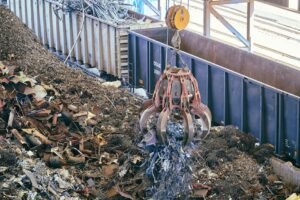
A local scrap yard is more than just a drop-off point—it’s a fully operational facility equipped to weigh, sort, process, and prepare metals for resale to smelters and foundries. Understanding how these operations work gives you insight into what to expect during your visit and how to maximize your return.
When you arrive at a scrap yard, staff will typically direct you to a designated unloading area. Your load is then weighed on certified scales (gross weight), after which the material is unloaded and sorted. Once sorting is complete, the empty vehicle is weighed again (tare weight), and the difference determines the net weight of scrap metal. This process ensures transparency and accuracy in pricing.
Most local scrap yards use industrial magnets to separate ferrous metals (those containing iron) from non-ferrous metals. Non-ferrous metals generally command higher prices due to their conductivity, corrosion resistance, and demand in electronics and aerospace industries. For example, clean copper wiring can fetch up to five times the price of mixed steel scrap.
Many yards now offer value-added services such as free sorting assistance, cash payments on the spot, and even advanced testing tools like handheld XRF analysers to verify alloy composition. Some also support local pickup arrangements through contracted haulers, especially beneficial for commercial clients or those with over 500kg of material.
Choosing a well-established local scrap yard means working with a business that adheres to Work Health and Safety (WHS) standards, environmental regulations, and fair trading practices. Look for facilities accredited by the Australian Council of Recycling (ACOR) or holding ISO 14001 certification for environmental management systems. These credentials indicate professionalism and long-term reliability.
Maximizing Returns: Tips for Selling Scrap Metal Locally
To get the best possible return from metal salvage near me, preparation is key. Simply dumping mixed metals into a trailer won’t yield optimal results. Follow these expert-approved strategies to increase your payout:
- Sort by metal type: Separate copper, aluminium, stainless steel, and brass from ferrous metals. Pure streams of non-ferrous metals attract premium rates.
- Clean and prepare materials: Remove insulation from wires, drain oil from radiators, and detach plastic or rubber components. Contaminants reduce value.
- Bundle small items: Use wire or zip ties to group rebar, conduit, or sheet metal. This makes handling easier and speeds up processing.
- Know current market rates: Check Metal Prices daily, as they fluctuate based on global commodity markets, exchange rates, and demand from China and India.
- Time your sale strategically: Prices often rise in spring and summer when construction activity increases. Avoid selling during economic downturns or global supply gluts.
Another smart move is building a relationship with one or two trusted recyclers in my area. Regular sellers often receive loyalty benefits such as better rates, priority service, or notifications about price increases. Some dealers even offer volume-based incentives for consistent deliveries over time.
For high-value materials like catalytic converters or insulated copper wire, ensure you comply with legal requirements. In Australia, selling catalytic converters requires registration and record-keeping under state legislation to prevent theft from vehicles. Always bring valid ID and be prepared to sign a declaration form.
Consider using apps or online portals that allow you to pre-schedule drop-offs, reducing wait times. Platforms like Sell Scrap Metal Near Me In 2026 provide real-time updates on pricing trends, location-specific tips, and guidance on preparing materials to meet buyer specifications.
Types of Metals Commonly Accepted at Nearby Recyclers
Not all metals are created equal when it comes to metal salvage near me. Nearby recycler facilities categorize scrap into two main groups: ferrous and non-ferrous. Knowing the difference helps you identify valuable materials and avoid rejected loads.
Ferrous Metals contain iron and are magnetic. They are typically less expensive but available in large quantities:
- Steel (structural beams, car bodies, appliances)
- Cast iron (pipes, engine blocks, cookware)
- Mild steel (rebar, fencing, machinery frames)
Non-Ferrous Metals do not contain iron, are not magnetic, and generally hold higher market value:
- Copper (electrical wiring, plumbing pipes, motors)
- Aluminium (window frames, siding, beverage cans)
- Brass (faucets, valves, musical instruments)
- Stainless steel (kitchen sinks, industrial tanks, cutlery)
- Zinc and lead (batteries, roofing sheets)
Specialty metals like titanium, nickel alloys, and high-temperature steels are also recyclable but usually require processing at specialized facilities. These are most commonly generated in aerospace, medical, and mining industries.
Some recyclers accept electronic scrap (e-waste), including circuit boards, transformers, and hard drives, due to their precious metal content. However, strict handling protocols apply because of hazardous components like mercury and PCBs. Always confirm whether your nearby recycler is licensed for e-waste processing.
Materials that are not accepted include contaminated metals (e.g., oil-soaked steel), radioactive substances, pressurized tanks, and household hazardous waste. When in doubt, contact the facility directly or consult their website for a complete list of acceptable items.
Local Pickup and Mobile Collection Services Explained
For businesses, contractors, or homeowners with significant volumes of scrap metal, arranging local pickup is often the most practical solution. Many recyclers now offer mobile collection services that come directly to your location, eliminating the need for transport and saving valuable time.
These services are especially beneficial for construction companies managing demolition debris, auto repair shops replacing engines, or property managers clearing abandoned buildings. Providers typically use trucks equipped with cranes or hydraulic lifts to load heavy materials efficiently and safely.
To book a local pickup, visit a platform like metal collection near me, where you can submit details about your scrap type, estimated weight, and preferred pickup date. Quotes are usually provided within hours, and many services operate on short notice—sometimes within 24 hours.
While some companies charge a small fee for collection, others provide free pickup if the scrap volume exceeds a certain threshold (commonly 500kg or 1 tonne). In many cases, the payment you receive for the metal offsets any associated costs, making it a cost-neutral or even profitable option.
When scheduling a pickup, ensure the site is accessible to large vehicles and that materials are organized in a single, clear location. Avoid mixing hazardous waste with recyclables, as this can delay processing or result in rejection. Reputable collectors will provide a receipt and weight ticket for auditing and record-keeping purposes—important for business tax reporting and compliance.
Environmental and Economic Benefits of Metal Recycling Near Me
Engaging in Metal Recycling Near Me delivers significant environmental advantages. Recycling aluminium saves up to 95% of the energy required to produce new aluminium from bauxite ore. Similarly, steel recycling conserves 60–75% of the energy used in primary production. These savings translate into reduced fossil fuel consumption, lower air pollution, and decreased landfill usage.
In Australia, landfills receive over 7 million tonnes of construction and demolition waste annually, much of which contains recoverable metals. Diverting even half of this metal content through recycling programs could power 500,000 homes for a year through avoided energy generation, according to the National Waste Report 2023.
On the economic front, the scrap metal industry supports over 12,000 jobs nationwide and contributes more than $5 billion annually to GDP. Regional economies benefit significantly, as many local scrap yards are small to medium enterprises serving rural and suburban communities.
By participating in metal salvage near me, individuals and businesses become part of a larger ecosystem that drives innovation, reduces import dependency, and strengthens domestic manufacturing. Recycled metals are used in infrastructure projects, renewable energy systems, and consumer goods, forming a closed-loop system that benefits everyone.
Moreover, increased transparency and digitalization through platforms like trade metal are making it easier than ever to engage ethically and profitably in the scrap market. Real-time pricing, verified dealer networks, and secure transaction logs empower consumers to make informed decisions and avoid unlicensed operators.
Future Trends in Metal Salvage and Recycling in Australia
The landscape of metal salvage near me is evolving rapidly due to technological advancements, regulatory changes, and shifting market dynamics. By 2026, industry experts predict greater integration of AI-powered sorting systems, blockchain for chain-of-custody tracking, and expanded kerbside collection programs for household scrap.
One emerging trend is the rise of “smart” scrap bins equipped with sensors and weight gauges, allowing homeowners and businesses to monitor accumulation and schedule pickups automatically. Cities like Melbourne and Brisbane are piloting such initiatives to boost recycling rates and reduce illegal dumping.
Regulatory pressure is also increasing. The National Strategy for Circular Economy aims to achieve a 50% reduction in waste sent to landfills by 2030, with mandatory recycling targets for construction firms and stricter licensing for scrap dealers. These measures will likely improve industry standards and public confidence in nearby recycler services.
Additionally, global demand for critical metals—especially those used in electric vehicles and solar panels—is driving investment in urban mining: the process of extracting valuable materials from discarded electronics and end-of-life products. This opens new opportunities for Australians to monetize niche materials like lithium-ion batteries and rare earth elements.
For those looking to stay ahead, staying informed through resources like Sell Scrap Metal Near Me In 2026 will be crucial. The guide offers forward-looking insights into pricing models, regulatory shifts, and emerging technologies that will shape the future of scrap trading in Australia.
Ultimately, the concept of metal salvage near me is transforming from a simple cash-for-metal exchange to a sophisticated, data-driven component of sustainable resource management. As awareness grows and systems improve, more Australians will recognize the dual value of scrap metal: economic return and environmental stewardship.
Frequently Asked Questions
Where can I find metal salvage near me?
You can locate metal salvage services by searching online directories, using Google Maps, or visiting platforms like Scrap.Trade. Enter your postcode and keywords like ‘local scrap yard’ or ‘nearby recycler’ to find the closest dealer in your area.
Do all scrap yards offer local pickup services?
Not all scrap yards provide local pickup, but many do—especially for commercial clients or large volumes. Check with your nearby recycler or use online services like metal collection near me to find providers offering on-site collection.
How are scrap metal prices determined in my area?
Scrap metal prices depend on global commodity markets, supply and demand, material purity, and local operating costs. Check current rates at Metal Prices to understand what your scrap is worth before visiting a dealer.
What documents do I need to sell scrap metal near me?
Most recyclers require government-issued photo ID and proof of address. Some may also ask for a receipt of purchase or a signed declaration, especially for high-risk items like copper wire or catalytic converters.