
Investing in a metal scrap business for sale is a strategic move for entrepreneurs looking to enter the robust Australian industrial sector. As global demand for sustainable raw materials intensifies, the infrastructure behind metal recovery has become a cornerstone of the economy. Whether you are looking to acquire an established yard or start a new operation, understanding the nuances of the trade—from material grading to logistical efficiency—is essential for long-term profitability.
Understanding the Metal Scrap Business Landscape
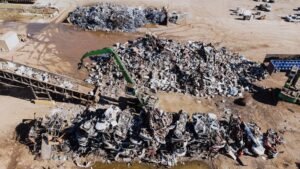
The Australian scrap industry is more than just collecting discarded items; it is a sophisticated supply chain that bridges the gap between waste generation and manufacturing. When evaluating a metal scrap business for sale, you must distinguish between the operational models available. Some entities function primarily as collection hubs, while others are full-scale processing facilities that utilize heavy machinery to shear, shred, and bail materials. Deciding between a Scrap Trading Vs Recycling Business is the first step in aligning your investment with your expertise. A trading business focuses on arbitrage and logistics, while a recycling business requires significant capital expenditure in equipment like balers, granulators, and heavy transport.
For those looking to enter the market, it is vital to research the local regulatory environment. In Australia, environmental compliance is non-negotiable. You will need to navigate EPA standards regarding soil contamination, noise pollution, and water runoff. Furthermore, successful operators often leverage digital platforms like Scrap.Trade to manage inventory and connect with global buyers, ensuring that they can move volume quickly to capitalize on fluctuating commodity prices.
Categorizing Scrap: Ferrous vs. Non-Ferrous Grades
The profitability of a scrap business hinges on your ability to accurately grade materials. Metals are broadly categorized into two groups: ferrous and non-ferrous. Ferrous metals contain iron and are magnetic, while non-ferrous metals—such as copper, aluminum, lead, and zinc—are non-magnetic and typically command higher market prices due to their scarcity and infinite recyclability.
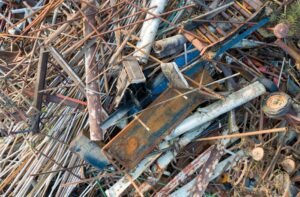
- Ferrous Grades: This includes HMS (Heavy Melting Steel), plate and structural steel, and light iron. HMS 1 and 2 are the industry standards for steel mills, requiring specific sizing and density.
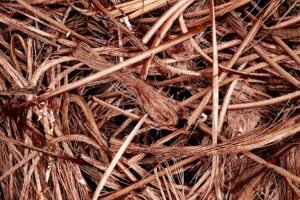
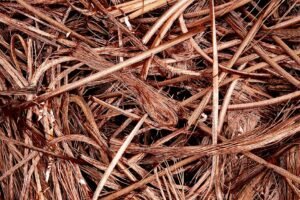
- Non-Ferrous Grades: Copper is the gold standard of the industry. You will encounter various grades: Bright and Shiny (Grade 1), Candy (Grade 2), and Burnt Wire. Aluminum is another major player, categorized by alloy types such as 6063 or 5052, which are highly valued in the extrusion industry.
- Specialty Metals: This category includes stainless steel, high-temperature alloys, and precious metals found in electronics (E-waste).
When you acquire a metal scrap business for sale, you are also acquiring the expertise of the staff who know how to identify these grades on sight. Improper grading can lead to significant financial loss, as a load of copper contaminated with lead or plastic will be downgraded by the smelter, stripping away your profit margin.
The Mechanics of Metal Recycling Operations
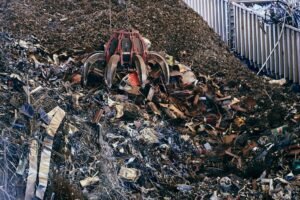
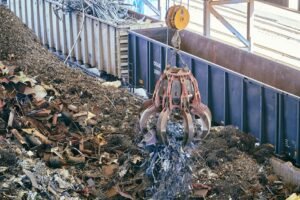
The recycling process is a multi-stage operation designed to transform scrap into furnace-ready feedstock. It begins with collection and sorting. Advanced facilities use X-ray fluorescence (XRF) analyzers to determine the precise chemical composition of metal alloys. Once sorted, the material undergoes size reduction. Large industrial shears and shredders break down oversized objects like vehicle frames or structural beams into manageable pieces. This process is essential for separating different metals—for instance, removing the steel frame from an aluminum engine block.
After shredding, the material passes through magnetic separators to pull out ferrous metals, while eddy current separators are used to eject non-ferrous materials from the waste stream. The final step is densification, where loose scrap is compressed into high-density bales. This makes shipping efficient and cost-effective, as transport costs are a major overhead in the industry. For those seeking to sale scrap metal, understanding how to optimize these processes can mean the difference between a break-even operation and a highly profitable enterprise.
Environmental Benefits and the Circular Economy
The metal recycling industry is a primary driver of the circular economy. By recycling metals, we drastically reduce the need for virgin ore mining, which is energy-intensive and environmentally destructive. For example, recycling aluminum saves approximately 95% of the energy required to produce the same amount of metal from bauxite ore. Beyond energy savings, recycling prevents millions of tonnes of waste from entering landfills, reducing the risk of heavy metal leaching into groundwater.
As an owner of a scrap business, you are essentially providing an environmental service. Governments are increasingly incentivizing circularity, and businesses that can demonstrate a low carbon footprint in their processing methods are becoming more attractive to institutional investors. You can find more information on industry standards at Scrap Trade Australia, which provides a comprehensive view of the national landscape. Whether you are looking to sale metal scrap or manage large-scale industrial contracts, your role in the supply chain is critical to national sustainability goals.
Logistics and Market Volatility
The scrap business is inherently tied to global commodity markets. Prices for copper, steel, and aluminum fluctuate daily based on industrial output in China, construction activity in the US, and supply chain disruptions. A successful business owner must develop a hedging strategy. This might involve maintaining a diverse inventory, so you are not overly reliant on a single metal, or using financial instruments to lock in prices for future delivery.
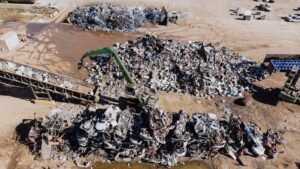
Logistics management is the silent killer of profitability in this sector. You must optimize your collection routes and ensure that your yard is laid out to minimize material handling. Every time a piece of metal is moved, it costs money. The most successful yards use a ‘flow-through’ model where material enters, is processed, and is dispatched with minimal downtime. If you are searching for Sell Scrap Metal Near Me In 2026, you will notice that the most reputable businesses are those that have streamlined their logistics, offering prompt pickups and transparent weighing processes for their suppliers.
Technology and Digital Transformation
The scrap industry is rapidly moving away from manual, paper-based tracking to digital management systems. Modern yards use cloud-based software to track inventory in real-time, generate automated compliance reports, and manage customer relationships. If you are buying a business, ensure it has a robust digital infrastructure. This allows you to monitor margins on a per-load basis and adjust your buying prices instantly when the market shifts.
Furthermore, digital marketplaces have revolutionized how scrap is traded. Instead of relying on a handful of local buyers, you can now reach a global network of consumers. This is particularly important for specialized materials like e-waste or rare earth metals. By integrating your yard with digital platforms, you can ensure that you are always getting the best possible price, regardless of your physical location. For those looking for Scrap Metal Recycling Near Me, the presence of an online portal is often a sign of a professional, modern operation that values efficiency and customer service.
Strategic Planning for Business Acquisition
When you identify a metal scrap business for sale, conducting thorough due diligence is paramount. You must audit the equipment, the lease agreements (if the land is not owned), and the environmental permits. A business might look profitable on paper, but if the equipment is nearing the end of its lifecycle or if there are outstanding environmental remediation liabilities, the acquisition could become a financial burden.
Consider the customer base. Is the business reliant on a few large industrial accounts, or is it a steady stream of smaller retail suppliers? A diversified customer base is generally more resilient to economic downturns. Also, evaluate the workforce. The scrap industry relies on skilled labour—people who know how to operate heavy machinery and, more importantly, how to identify and grade metals accurately. Retaining this institutional knowledge is essential for a smooth transition of ownership.
Future Trends: Automation and Sustainability
The future of the scrap industry lies in automation and advanced sorting technologies. AI-powered sorting robots are beginning to replace manual labor in high-volume yards, using computer vision to identify and sort metals with incredible speed and accuracy. Additionally, as electric vehicle (EV) adoption grows, the demand for battery recycling services will skyrocket. Acquiring a business that is positioned to pivot into battery recycling or specialized e-waste processing could provide a significant competitive advantage in the coming decade.
Sustainability reporting is also becoming a requirement for large industrial suppliers. If your business can provide certified data on the carbon savings achieved through your recycling processes, you will be the preferred partner for major manufacturing firms looking to meet their own ESG (Environmental, Social, and Governance) targets. By focusing on these high-growth areas, you can ensure that your scrap business remains relevant and profitable for decades to come.
Conclusion
Entering the metal recycling sector through the acquisition of a metal scrap business for sale is a compelling opportunity for those who understand the value of the circular economy. By mastering the intricacies of grading, investing in efficient logistics, and embracing digital transformation, you can build a highly resilient and profitable operation. The industry is not merely about moving metal; it is about providing a vital service that powers global industry while protecting our natural environment. As you move forward, focus on building strong relationships with both suppliers and end-consumers, and never underestimate the value of accurate data in managing your margins. The path to success in the scrap business is built on precision, persistence, and a commitment to operational excellence.
Frequently Asked Questions
What is the most profitable metal to collect?
Copper is generally the most profitable metal to collect due to its high demand in electrical and plumbing industries. Other high-value metals include brass, aluminum, and stainless steel.
How do I determine the value of a scrap metal business?
Valuation is typically based on the business’s EBITDA, the value of its fixed assets (machinery and land), its existing customer contracts, and its compliance status with environmental regulations.
Why is environmental compliance so important in this industry?
Strict regulations are in place to prevent soil and water contamination from heavy metals and fluids. Non-compliance can lead to massive fines, site closure, and severe legal liabilities for the business owner.
How does market volatility affect a scrap business?
Scrap metal prices are linked to global commodity markets, meaning they change daily. Businesses must manage this risk through rapid inventory turnover, hedging strategies, and maintaining diverse material streams.