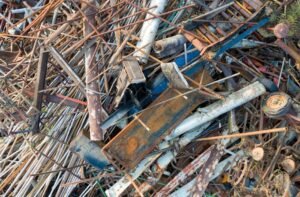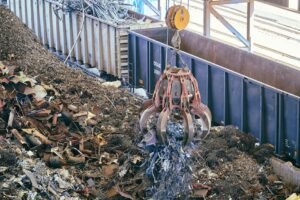

Professional metal scrap pick up services have become the backbone of the Australian circular economy. As industries and households look for more sustainable ways to manage waste, understanding how to effectively handle, sort, and dispose of metal assets is critical. Whether you are managing a large construction site or clearing out a workshop, efficient waste management is not just an environmental necessity—it is a financial opportunity.
The Fundamentals of Metal Scrap Pick Up
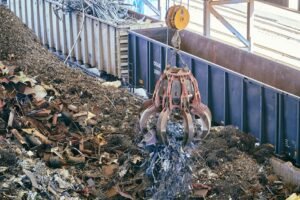
The modern logistics behind scrap+metal+pick+up operations are designed to maximize efficiency and safety. When you schedule a collection, you are engaging in a process that prevents valuable resources from ending up in landfills. Metal is unique because it can be recycled infinitely without losing its inherent properties. This makes the collection process a vital link in the global supply chain, turning yesterday’s waste into tomorrow’s infrastructure.
For businesses and individuals looking to monetize their waste, finding reliable Pick Up Scrap Metal For Cash Near Me services is the first step. These services typically involve a site assessment, the provision of bins or containers, and a scheduled collection frequency based on your volume. By choosing a reputable provider, you ensure that your materials are handled in compliance with Australian environmental regulations.
Understanding Scrap Metal Grades
To get the best value, one must understand the difference between ferrous and non-ferrous metals. Ferrous metals contain iron and are magnetic, while non-ferrous metals do not contain iron and are generally more valuable due to their scarcity and utility.
- Ferrous Metals: Common examples include structural steel, cast iron, and wrought iron. These are often found in construction debris and heavy machinery.
- Non-Ferrous Metals: This category includes copper, aluminium, brass, lead, and zinc. Copper, in particular, is highly prized for its conductivity and is a staple in electrical and plumbing industries.
- Stainless Steel: An alloy containing iron and chromium, known for its resistance to rust. It is a high-value scrap grade often found in commercial kitchens and medical equipment.
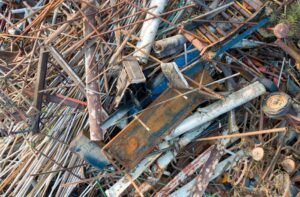
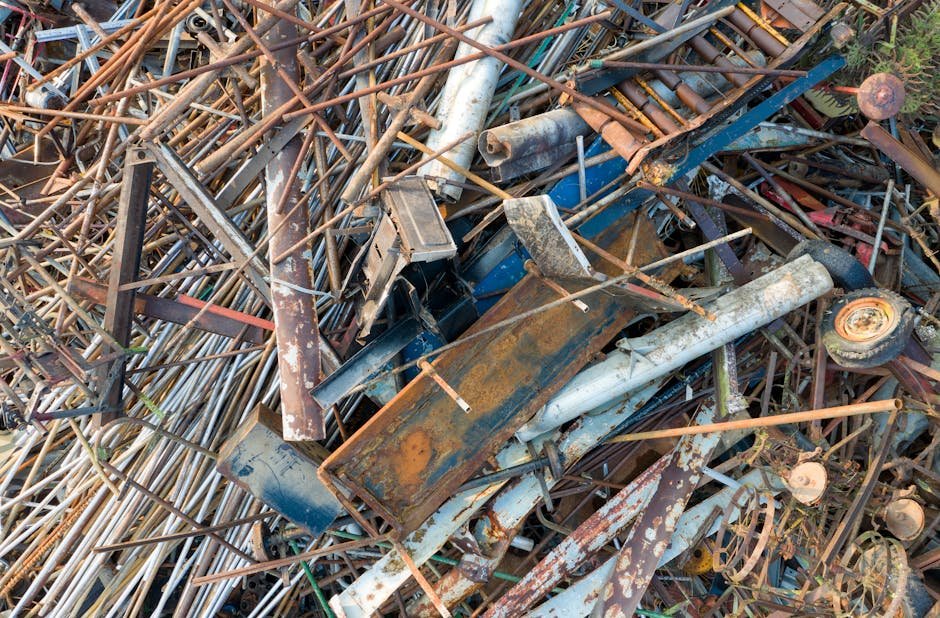
If you are planning to Sell Scrap Metal Near Me In 2026, it is essential to segregate these materials at the source. Contamination—such as plastic, rubber, or wood attached to the metal—can significantly lower the grade and, consequently, the price you receive per tonne.
How the Recycling Process Works
Once you request a scrap metal for pick up, the material enters a sophisticated processing cycle. The first stage is sorting. Using advanced technology like X-ray fluorescence (XRF) analyzers and magnetic separators, recyclers identify the exact composition of the scrap. This ensures that high-grade alloys are not mixed with lower-grade iron.
After sorting, the metal is processed through shredders or shears. Shredding breaks the metal into smaller pieces, which increases the surface area for further refining. For those looking for Scrap Metal Recycling Near Me, it is helpful to know that this processed “shred” is then melted in furnaces to create molten metal. This molten material is cast into ingots or billets, which are then sold back to manufacturers to be rolled into new sheets, beams, or wires.
This entire process is supported by industry leaders like Scrap Trade Australia, which ensures that the supply chain remains transparent and efficient. By utilizing a professional scrap metal trading platform, you gain access to real-time market data and logistics support.
Environmental Benefits of Metal Recycling
The environmental impact of recycling metal cannot be overstated. Producing new metal from virgin ore is an energy-intensive process that involves mining, crushing, and smelting. Recycling existing metal requires a fraction of that energy. For instance, recycling aluminium saves approximately 95% of the energy required to produce the same amount of aluminium from bauxite ore.
Furthermore, metal recycling reduces the need for destructive open-cut mining, preserving natural landscapes and biodiversity. By choosing to divert your scrap from landfills, you are directly contributing to a reduction in greenhouse gas emissions. As Australia moves toward a net-zero future, the role of metal recycling in reducing the carbon footprint of the construction and manufacturing sectors is becoming increasingly prominent.
Practical Tips for Preparing Your Scrap
Preparation is key to maximizing the return on your scrap metal. Follow these expert tips to ensure your collection goes smoothly:
- Clean your scrap: Remove non-metal attachments. A radiator with plastic hoses attached is worth less than a clean, stripped radiator.
- Sort by type: Keep copper separated from aluminium and steel. Mixing grades often leads to the entire load being valued at the price of the lowest-grade material.
- Volume matters: If you have a large volume, discuss bulk rates with your recycler. Many providers offer better pricing for consistent, large-scale pick-ups.
- Safety first: Ensure that any containers or tanks are drained of hazardous fluids (like oil or coolant) before collection. Most recyclers will not accept contaminated materials.
- Documentation: Keep records of your scrap sales. This is not only good for accounting but also helps in tracking your environmental impact metrics.
The Future of the Scrap Industry in Australia
The Australian scrap metal industry is undergoing a digital transformation. With the rise of online platforms, the process of finding a buyer has moved from local phone directories to sophisticated digital marketplaces. This transparency has empowered sellers, allowing them to compare prices and service levels across the country.
In 2026 and beyond, we expect to see an increase in robotic sorting and AI-driven inventory management. These technologies will further refine the quality of recycled materials, making them more attractive to manufacturers who are increasingly prioritizing “green” supply chains. As a result, the value of high-quality scrap is expected to rise, further incentivizing businesses to adopt rigorous recycling protocols.
Economic Impact and Local Employment
Beyond the environmental benefits, the scrap metal industry is a significant economic driver. It creates thousands of jobs in logistics, processing, and trading. Every tonne of metal that is recycled supports a local workforce. By using local collection services, you are keeping capital within the Australian economy and supporting small to medium enterprises that operate the collection fleets and processing facilities.
Moreover, the cost-effectiveness of using recycled metal is a major advantage for local manufacturers. By sourcing raw materials domestically, they reduce their reliance on volatile global commodity markets and shipping delays. This creates a more resilient local supply chain, which is essential for the long-term health of Australian manufacturing.
Ensuring Compliance and Safety
When you engage in metal scrap pick up, you are entering into a commercial agreement that carries responsibilities. It is crucial to ensure that your chosen provider is licensed and follows all local environmental and safety laws. This includes proper handling of hazardous materials, such as lead-acid batteries or gas cylinders, which require specialized disposal methods.
Always ask your service provider about their certification and their commitment to sustainable practices. A reputable recycler will be happy to provide details on their processing methods and their end-markets. This level of due diligence protects your business from potential liability and ensures that your waste is being handled ethically.
Conclusion: Taking Action Today
The transition to a circular economy is not just a goal for governments; it is a practical step that every business and household can take. By prioritizing professional metal scrap pick up, you are choosing a path of efficiency, financial gain, and environmental stewardship. Whether you are dealing with a small pile of copper wire or tonnes of industrial steel, the resources you handle are valuable assets.
Start by auditing your scrap generation. Identify the grades you have, separate them appropriately, and reach out to a professional service to discuss your logistics needs. By integrating these practices into your regular operations, you contribute to a more sustainable Australia while maximizing the value of your metal assets. Remember, in the world of scrap, nothing is truly waste—it is simply a resource waiting to be repurposed.
Frequently Asked Questions
What is the difference between ferrous and non-ferrous scrap?
Ferrous metals contain iron and are magnetic, such as steel and iron. Non-ferrous metals, like copper, aluminium, and brass, do not contain iron and are typically more valuable due to their versatility and scarcity.
How can I get the most money for my scrap metal?
To maximize your return, always sort your metals by type and remove any non-metal contaminants like plastic, rubber, or wood. Providing clean, pre-sorted loads ensures you receive the highest market rate for each specific grade.
Is there a minimum amount required for a pick up service?
Most professional scrap recyclers have a minimum volume requirement to make the logistics of a pick up cost-effective. It is best to contact your local provider to discuss your specific volume and determine if you meet their threshold for a collection service.
Why is metal recycling considered environmentally friendly?
Recycling metal consumes significantly less energy than mining and refining virgin ore. It also reduces the need for destructive mining practices and keeps heavy metals out of landfills, supporting a circular economy.