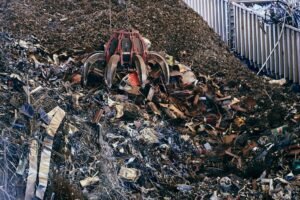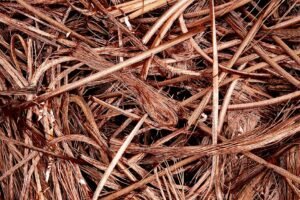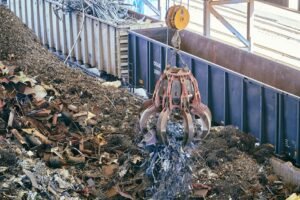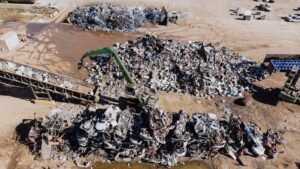

Understanding metal scrap price dynamics is critical for businesses and individuals in Australia’s recycling industry. With global demand for raw materials fluctuating daily, staying informed about current scrap prices ensures optimal returns for scrap metal sellers and efficient resource management for recyclers. This guide provides a comprehensive breakdown of market rates, pricing mechanisms, and the environmental role of metal recycling in Australia.
Current Market Value of Metal Scrap in Australia
As of 2026, the metal scrap price in Australia reflects global commodity trends, local supply chains, and technological advancements in recycling. Key factors include:
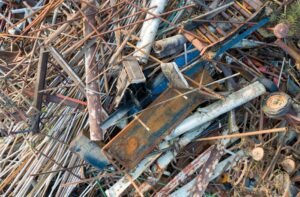
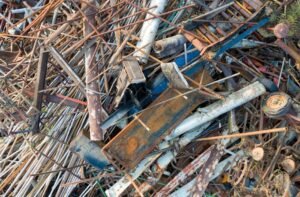
- Ferrous metals (iron/steel): $0.50–$1.20/kg
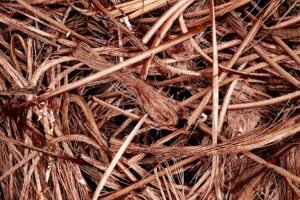
- Non-ferrous metals (aluminum, copper): $2.00–$5.00/kg
- Stainless steel: $3.00–$4.50/kg
- Battery metals (nickel, lithium): $1.50–$3.50/kg
Prices are typically quoted per kilogram (price per kg) or per tonne (price per tonne). Real-time data can be accessed via platforms like Scrap Metal Prices for up-to-the-minute metal prices today.
How Are Metal Scrap Prices Determined?
The market rate for scrap metal is influenced by multiple variables:
1. Global Commodity Demand
Metals like copper and aluminum are heavily impacted by construction and manufacturing sectors worldwide. For example, China’s infrastructure projects drive 60% of global demand, directly affecting scrap price of metal in Australia.
2. Supply Chain Disruptions
Transportation costs, mining output, and geopolitical tensions (e.g., Australian-China trade relations) create volatility. A 2023 study showed a 15% price swing in price of scrap metal during supply chain bottlenecks.
3. Metal Purity and Contamination
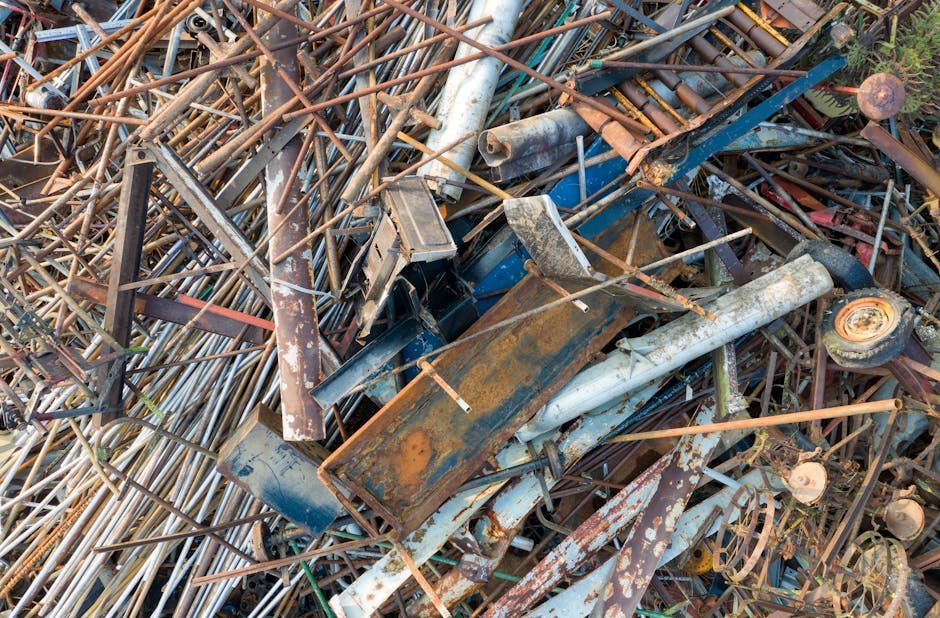
Clean, sorted metals command higher prices. Contaminated scrap (e.g., mixed with plastics) may receive 30–50% less. Recyclers use advanced sorting systems to maximize value.
4. Recycling Technology
Efficient processing facilities reduce costs and improve metal scrap price competitiveness. Australia’s 78% ferrous recycling rate (2025) highlights the sector’s maturity.
Grades of Scrap Metal and Their Impact on Pricing
Scrap metals are categorized by composition and quality:
- Shredder scrap: $0.70–$1.00/kg (mixed ferrous from vehicles)
- Heavy melting steel: $1.00–$1.20/kg (clean steel plates)
- Aluminum ingots: $3.50–$4.00/kg (high-purity industrial scrap)
- Electronics scrap: $2.00–$3.00/kg (e-waste with recoverable rare metals)
Proper classification ensures sellers receive fair compensation. Use Scrap Metal Recycling Near Me to locate facilities with advanced sorting capabilities.
The Recycling Process: From Scrap to Raw Material
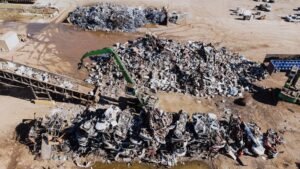
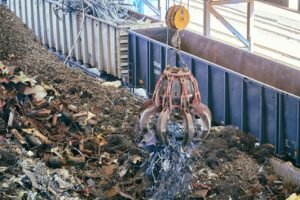
- Collection: Scrap is gathered from demolition sites, manufacturing waste, and e-waste centers.
- Sorting: Magnets, X-ray fluorescence (XRF) scanners, and optical sorters separate metals by type.
- Shredding: Large items are reduced to uniform fragments for melting.
- Smelting: Metals are melted in electric arc furnaces (EAF) to remove impurities.
- Reforming: Molten metal is cast into ingots or sheets for reuse in manufacturing.
Australian recyclers achieve 95% energy efficiency in processing ferrous metals, significantly reducing metal scrap price variability caused by production costs.
Environmental Benefits of Metal Recycling
Recycling 1 tonne of steel saves 1,100 kg of iron ore and 600 kg of coal. Key benefits include:
- Carbon reduction: 30% lower emissions compared to virgin metal production
- Resource conservation: 85% of all aluminum is recycled infinitely
- Landfill diversion: 1 million tonnes of scrap diverted annually in Australia
By supporting Sell Scrap Metal Near Me In 2026, individuals contribute to Australia’s goal of achieving 80% circular economy status by 2030.
Practical Tips for Maximizing Scrap Metal Value
- Monitor scrap price of metal fluctuations: Sell during high-demand periods (Q1–Q2 typically).
- Choose certified recyclers: Facilities with ISO 14001 accreditation ensure fair pricing.
- Clean and sort materials: Remove non-metal components to avoid price deductions.
- Use online tools: Check price of scrap metal real-time data before selling.
- Bundle low-value items: Combine small quantities for minimum sell requirements.
Future Outlook for Metal Scrap Markets
With the rise of renewable energy projects and EV manufacturing in Australia, demand for copper and lithium is projected to grow 25% annually. However, stricter environmental regulations may increase processing costs, slightly affecting metal scrap price volatility. Stay ahead by partnering with platforms like Scrap.Trade for industry insights.
Frequently Asked Questions
How do I check the current scrap prices for my area?
Use Scrap Metal Prices or regional Scrap Metal Recycling Near Me portals for localized updates.
Why does metal scrap price vary by grade?
Higher-purity metals require less processing. For example, clean aluminum sheets fetch 40% more than mixed scrap due to lower refining costs.
Can I sell small quantities of scrap metal profitably?
Most recyclers have minimums (500kg). Consider Sell Scrap Metal Near Me In 2026 to find facilities with flexible minimums for small sellers.
How sustainable is metal recycling?
Recycling reduces energy use by 70% compared to mining. Australia’s 90% ferrous recycling rate leads global sustainability benchmarks.
For the latest metal scrap price updates and recycling solutions, visit ScrapTrade.com.au to connect with certified recyclers nationwide.
Frequently Asked Questions
How do I check the current scrap prices for my area?
Use Scrap Metal Prices or regional Scrap Metal Recycling Near Me portals for localized updates.
Why does metal scrap price vary by grade?
Higher-purity metals require less processing. Clean aluminum sheets fetch 40% more than mixed scrap due to lower refining costs.
Can I sell small quantities of scrap metal profitably?
Most recyclers have minimums (500kg). Consider Sell Scrap Metal Near Me In 2026 to find facilities with flexible minimums for small sellers.
How sustainable is metal recycling?
Recycling reduces energy use by 70% compared to mining. Australia’s 90% ferrous recycling rate leads global sustainability benchmarks.