
As a key player in the Australian metal scrap trading industry, understanding the different grades of scrap metal, the recycling process, and the environmental benefits is crucial for businesses and individuals looking to buy, sell, or recycle scrap metal.
Understanding the Grades of Scrap Metal
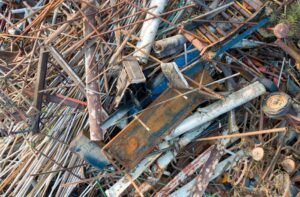
Scrap metal is classified into different grades based on its type, quality, and market demand. The most common grades of scrap metal include:
- ferrous metals (containing iron and steel)
- non-ferrous metals (excluding iron and steel)
The following sub-categories within these grades include:
- Ferrous Metals:
- High-carbon steel
- Low-carbon steel
- Stainless steel
- Galvanized steel
- Mild steel
- Non-Ferrous Metals:
- Aluminum
- Copper
- Brass
- Lead
- Zinc
Understanding the different grades of scrap metal is essential for determining the correct pricing, quality, and market demand for your scrap metal.
The Recycling Process
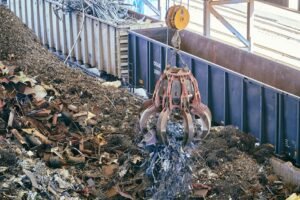
The metal scrap trading industry relies heavily on the recycling process, which involves collecting, sorting, and processing scrap metal into raw materials for manufacturing new products.
The recycling process typically involves the following steps:
- Collection: Scrap metal is collected from various sources, including residential, commercial, and industrial waste.
- Sorting: Scrap metal is sorted into different grades based on its type, quality, and market demand.
- Processing: Scrap metal is processed into raw materials for manufacturing new products.
- Manufacturing: Raw materials are used to produce new products, such as steel, aluminum, and copper.
The recycling process helps conserve natural resources, reduce waste, and decrease greenhouse gas emissions.
Environmental Benefits
The metal scrap trading industry plays a significant role in reducing the environmental impact of waste and conserving natural resources.
Some of the key environmental benefits of metal scrap trading include:
- Conservation of natural resources: Recycling scrap metal reduces the need to extract and process raw materials from the earth.
- Reduced waste: Recycling scrap metal helps divert waste from landfills and minimizes the environmental impact of waste disposal.
- Decreased greenhouse gas emissions: Recycling scrap metal reduces the need for energy-intensive manufacturing processes and decreases greenhouse gas emissions.
As a responsible metal scrap trader, it’s essential to understand the environmental impact of your business and implement sustainable practices to minimize waste and reduce your carbon footprint.
Practical Tips for Metal Scrap Traders
As a metal scrap trader, it’s essential to follow best practices to ensure a smooth and efficient trading process.
Here are some practical tips to consider:
- Conduct thorough research on the market demand and prices for different grades of scrap metal.
- Invest in quality equipment and software to streamline the trading process and minimize errors.
- Negotiate fair prices with suppliers and buyers to ensure a profitable trading experience.
- Implement sustainable practices to minimize waste and reduce your carbon footprint.
By following these practical tips, you can ensure a successful and sustainable metal scrap trading business.
Sell Scrap Metal Near Me In 2026
Are you looking to sell scrap metal near you in 2026? Our comprehensive guide provides valuable insights and practical tips to help you navigate the metal scrap trading industry.
Scrap Metal Recycling Near Me
Looking for scrap metal recycling near you? Our guide highlights the importance of recycling scrap metal and provides information on finding reliable recycling facilities in your area.
Scrap Metal Prices
Want to stay up-to-date on the latest scrap metal prices? Our guide provides valuable information on market trends and prices for different grades of scrap metal.
Scrap Metal Trading Software
Investing in the right scrap metal trading software can streamline your trading process and minimize errors. Our guide provides valuable insights on the benefits and features of scrap metal trading software.
Online Scrap Metal Trading
Considering online scrap metal trading? Our guide highlights the benefits and challenges of online trading and provides valuable insights on how to navigate the process successfully.
As a responsible metal scrap trader, it’s essential to stay informed about the latest market trends, prices, and industry developments.
For more information on the metal scrap trading industry, please visit ScrapTrade.com.au.
Conclusion
Metal scrap trading plays a vital role in conserving natural resources, reducing waste, and decreasing greenhouse gas emissions.
By understanding the different grades of scrap metal, the recycling process, and the environmental benefits, you can make informed decisions and navigate the metal scrap trading industry with confidence.
Remember to follow best practices, stay informed about market trends and prices, and implement sustainable practices to ensure a successful and sustainable metal scrap trading business.
For more information on the metal scrap trading industry, please visit ScrapTrade.com.au.
Frequently Asked Questions
What are the different grades of scrap metal?
Scrap metal is classified into different grades based on its type, quality, and market demand. The most common grades of scrap metal include ferrous metals (containing iron and steel) and non-ferrous metals (excluding iron and steel).
How does the recycling process work?
The recycling process involves collecting, sorting, and processing scrap metal into raw materials for manufacturing new products. The process typically includes collection, sorting, processing, and manufacturing.
What are the environmental benefits of metal scrap trading?
The metal scrap trading industry plays a significant role in reducing the environmental impact of waste and conserving natural resources. Some of the key environmental benefits include conservation of natural resources, reduced waste, and decreased greenhouse gas emissions.
What are some practical tips for metal scrap traders?
Some practical tips for metal scrap traders include conducting thorough research on market demand and prices, investing in quality equipment and software, negotiating fair prices, and implementing sustainable practices.