
Navigating the world of scrap metal can be a lucrative and environmentally responsible endeavour, especially when you partner with a reputable metal scrap yard Sydney operation. For residents and businesses across New South Wales, from the inner city to Greater Sydney and Western Sydney, these facilities are crucial hubs for the circular economy. This comprehensive guide will demystify the entire process, from understanding the different grades of scrap metal you might have to how the recycling process works and the profound environmental benefits it creates. Whether you’re a first-time seller or a seasoned contractor, this knowledge is power—power to earn more and make a positive impact.
Understanding Scrap Metal: A Guide to Common Grades
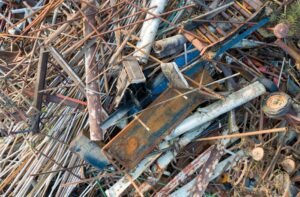
The first step to successfully selling your scrap is understanding what you have. Scrap metal is broadly categorized into two main types: ferrous and non-ferrous. This distinction is the most important factor that determines value and processing methods at any metal recycler.
Ferrous Metals: The Magnetic Workhorses
Ferrous metals contain iron, which makes them magnetic and susceptible to rust. They are typically heavier and, while abundant, generally command a lower price per kilogram than non-ferrous metals. Common examples found at any recycling depot include:
- Cast Iron: Heavy and brittle, often found in engine blocks, old machinery, and household items like bathtubs and weights.
- Mild Steel: The most common ferrous scrap. It’s found in car bodies, construction rebar, household appliances (like washing machines and fridges), and demolition debris.
- Stainless Steel: A valuable exception in the ferrous category due to its chromium content, which makes it corrosion-resistant. Commonly found in kitchen sinks, appliances, cookware, and commercial equipment. It is non-magnetic or slightly magnetic.
Non-Ferrous Metals: The Premium, Non-Magnetic Group
Non-ferrous metals do not contain iron, making them non-magnetic and highly resistant to corrosion. They are often more malleable and, crucially, far more valuable. This is the category that can really make your scrap run worthwhile.
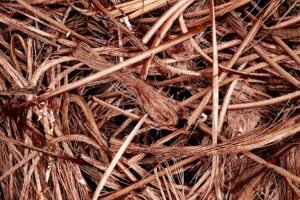
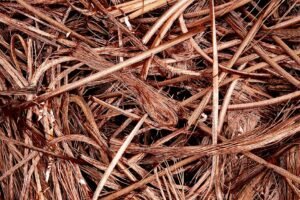
- Copper: The king of scrap metal. It has excellent conductivity and is highly sought after. Look for it in electrical wiring, plumbing pipes, transformers, and air conditioning units. Clean, bright copper wire (bare bright) fetches the highest price.
- Aluminium: Lightweight but valuable in volume. Ubiquitous in drink cans, window frames, siding, car parts (alloys like wheels), and gutters.
- Brass: A yellow-colored alloy of copper and zinc. Commonly found in plumbing fixtures, door handles, keys, and musical instruments.
- Lead: Very heavy and soft. Typically sourced from roofing materials, weights (like wheel balancing weights), and old batteries.
- Zinc: Often used for galvanizing steel to prevent rust, but also found in die-cast items like some fittings and hardware.
Before you head to a Metal Scrap Yard Near Me, it’s wise to sort your metals into these categories. Not only does this speed up the process, but it also ensures you get the most accurate valuation for each type of metal you’re selling. For a detailed breakdown of what these grades are worth, always check the latest scrap yard metal prices sydney.
The Journey of Scrap Metal: How Recycling Works Step-by-Step
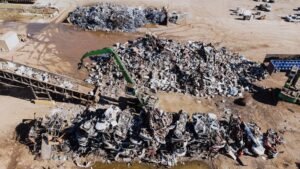
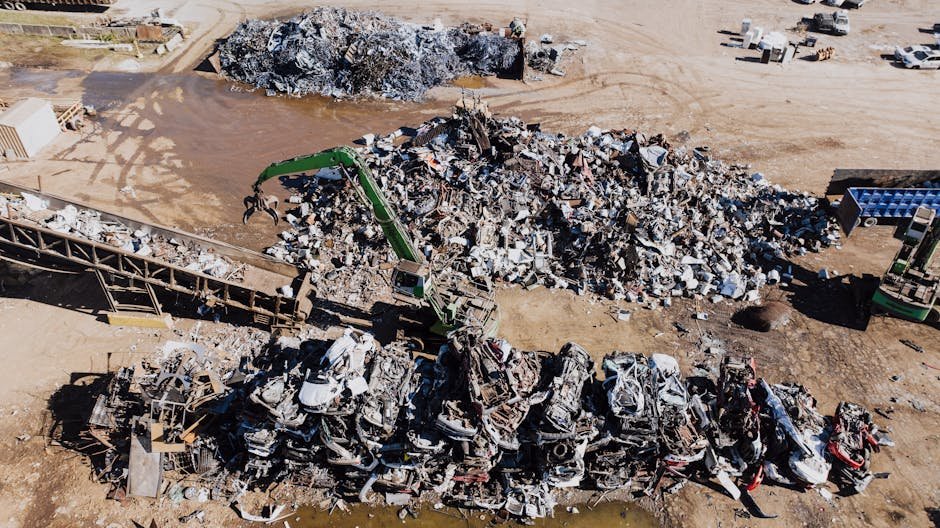
The process at a modern metal scrap yard Sydney facility is a highly efficient and sophisticated operation designed to maximize recovery and prepare materials for their next life. Here’s what happens from drop-off to rebirth.
1. Collection and Drop-Off
The process begins with you. Individuals and businesses collect and transport their scrap metal to a yard. Many yards, including Zores Scrap Yard Your Trusted Destination For Scrap Metal, offer convenient walk-in services where you can drive onto a weighbridge. Some larger operations also provide industrial bin services and collection for big commercial clients.
2. Weighing and Sorting
Upon arrival, your vehicle is weighed full (tare weight). You then unload your scrap into designated areas. After unloading, your vehicle is weighed again empty, and the net weight of your scrap is calculated. Staff then sort the materials. This involves using magnets to separate ferrous from non-ferrous metals and further manual or mechanical sorting into the specific grades mentioned above. This is a critical step for purity.
3. Processing and Preparation
To make transportation and smelting more efficient, scrap is often processed on-site. This can involve:
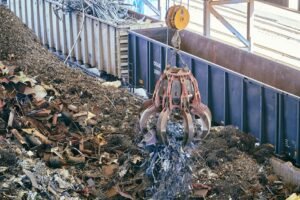
- Shearing: Hydraulic shears cut large pieces of metal into smaller, more manageable sizes.
- Baling/Compacting: Lightweight metals like aluminium cans or thin steel are compressed into dense, solid bales.
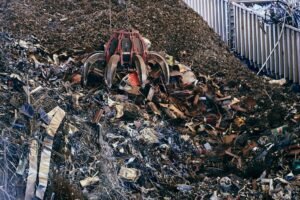
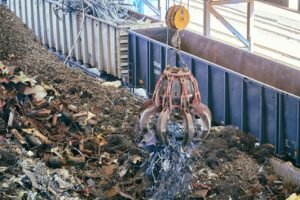
- Shredding: For items like cars, massive industrial shredders tear the metal into small pieces, which are then further separated using magnets and air classifiers.
4. Smelting and Purification
The processed scrap is then transported to large mills and foundries. Here, it is melted in enormous furnaces. During smelting, impurities are burned off or skimmed from the molten metal. The purified metal is then tested and refined to meet specific chemical compositions before being cast into new forms like ingots, bars, or sheets.
5. Manufacturing New Products
These new raw materials are sold to manufacturers to create brand new products. Recycled steel becomes new beams, cars, and appliances. Recycled aluminium becomes new cans, bike frames, and car parts. Recycled copper becomes new wiring and plumbing materials. The loop is closed. To understand this process in the local context, you can learn more about the specifics of scrap metal recycle sydney operations.
The Significant Environmental Benefits of Scrap Metal Recycling
Choosing to sell your metal to a metal recycler is one of the most effective individual actions you can take for the environment. The benefits are substantial and multi-faceted.
Conservation of Natural Resources and Energy Savings
Mining virgin ore is an incredibly destructive and energy-intensive process. It involves deforestation, open-pit mining, and massive amounts of water and fossil fuels. Recycling metal uses a fraction of the energy:
- Recycling aluminium saves up to 95% of the energy required to produce new aluminium from bauxite ore.
- Recycling steel saves about 70-74% of the energy needed to produce it from iron ore.
- Recycling copper saves 85-90% of the energy required for new extraction.
This massive energy saving directly translates to a reduction in greenhouse gas emissions and the conservation of finite natural resources like coal and iron ore, preserving landscapes across the globe and right here in Australia.
Reduction in Landfill Waste
Metal is permanent; it does not biodegrade. A car body or washing machine sitting in a landfill will remain there for centuries, taking up valuable space and potentially leaching chemicals into the soil and groundwater. By diverting this material to a recycling depot, we dramatically reduce the volume of waste sent to landfill, extending their operational lives and reducing the need to create new ones in NSW.
Lower Carbon Footprint and Pollution Control
The reduced energy demand from recycling directly correlates to lower emissions of carbon dioxide (CO2) and other pollutants like sulphur dioxide from power plants. Furthermore, recycling creates significantly less water pollution and destroys far fewer habitats compared to mining. For a growing city like Sydney, this contributes directly to cleaner air and a healthier environment for all residents.
Practical Tips for Selling Your Scrap in Sydney
To make your trip to a metal scrap yard Sydney efficient and profitable, follow these expert tips.
1. Sort and Clean Your Metals
Your time spent sorting pays dividends. Keep different metals separate. Remove any non-metallic attachments like plastic, rubber, glass, or wood. Clean metals—free of dirt, oil, and other contaminants—often fetch a higher price as they are easier to process. A bundle of clean copper wire is worth significantly more than a bundle with insulation still on it.
2. Know Before You Go
Use online resources or call ahead to understand the current scrap yard metal prices sydney. Prices fluctuate daily based on global commodity markets. Knowing the approximate value of your load prevents surprises and helps you identify the best time to sell. For a forward-looking guide, consider reading about how to Sell Scrap Metal Near Me In 2026.
3. Choose a Reputable Yard
Not all yards are created equal. Look for a yard with a strong reputation, transparent pricing, and certified scales. A trustworthy operator like Zores Scrap Yard Your Trusted Destination For Scrap Metal will have fair practices, knowledgeable staff, and a commitment to both customer service and environmental standards. Use a service like Metal Scrap Yard Near Me to find a reputable local option.
4. Safety First
Always wear gloves and sturdy, closed-toe shoes when handling scrap metal. Be aware of sharp edges and heavy objects. Ensure your load is secured safely for transport to avoid accidents on the road. A good yard will have clear safety protocols for customers on-site.
The Economic Impact of Scrap Metal in New South Wales
The scrap metal industry is a significant contributor to the economy of New South Wales. It creates jobs in collection, transportation, processing, and administration. It supports manufacturing industries by providing a local, cost-effective source of raw materials, making businesses in Greater Sydney and Western Sydney more competitive. Furthermore, it injects millions of dollars directly into the pockets of individuals, communities, and businesses through payments for scrap, fostering a vibrant circular economy that benefits everyone.
Conclusion: Your Role in Sydney’s Sustainable Future
Visiting a metal scrap yard Sydney is far more than just a way to earn some extra cash. It is a direct participation in a global environmental solution. By understanding the grades of metal, the intricate recycling process, and the profound ecological and economic benefits, you become an informed and empowered agent of change. Every kilogram of metal you divert from landfill conserves energy, reduces pollution, and conserves our planet’s precious natural resources. So, gather your scrap, sort it carefully, and take it to a trusted local scrap metal buyer like those found through our platform at Scrap.Trade. Your effort makes a tangible difference, contributing to a cleaner, greener, and more sustainable Sydney for generations to come.
Frequently Asked Questions
What is the most valuable scrap metal I can sell in Sydney?
Clean, unalloyed copper is typically the most valuable scrap metal you can sell. This includes bare bright copper wire (stripped and shiny) and clean copper tubing. Other high-value metals include brass, clean aluminium, and certain stainless-steel grades. Always check current Sydney scrap prices as market values fluctuate daily.
Do I need an ID to sell scrap metal in NSW?
Yes, reputable metal recyclers in New South Wales are required by law to sight a valid form of government-issued photo identification (like a driver’s licence) from all sellers. This is a crucial measure to help prevent the sale of stolen goods and ensure a transparent and legal trading environment.
How should I prepare my scrap metal before taking it to a yard?
For the best price and efficient service, you should sort your metals by type (e.g., separate copper, aluminium, steel). Clean your metals by removing any non-metallic contaminants like plastic, rubber, glass, or insulation. This reduces the processing work for the yard and often results in a higher price per kilogram for your materials.
Are old household appliances worth recycling for their metal?
Absolutely. Household appliances like refrigerators, washing machines, and ovens contain significant amounts of recyclable steel, copper wiring, and sometimes aluminium. While you won’t get a premium price for the steel itself, the volume adds up, and it’s far better environmentally than sending them to landfill. Many yards will accept them and responsibly handle the safe removal of any refrigerants.