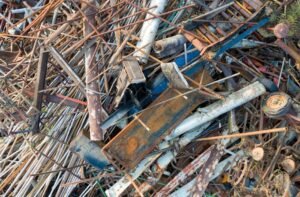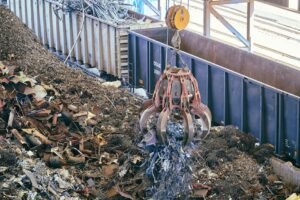

Metal scraper Campbelltown plays a vital role in Australia’s circular economy by transforming waste metals into reusable resources. This guide explores the grades of scrap metal, the recycling process, and the environmental impact of responsible recycling. Whether you’re a homeowner with scrap to sell or a business seeking sustainable practices, this article provides actionable insights.
Understanding Grades of Scrap Metal
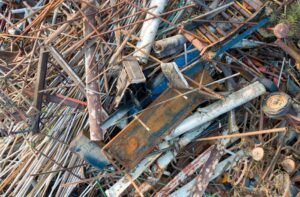
Scrap metal is categorized into two main types: ferrous and non-ferrous metals. Knowing these grades helps you maximize profits and ensure proper recycling.
Ferrous Metals
Ferrous metals contain iron and are magnetic. Common grades include:
- Steel: Widely used in construction and manufacturing. Grades vary by composition (e.g., carbon steel, alloy steel).
- Cast Iron: Durable and heavy, often from engines or machinery.
Non-Ferrous Metals
Non-ferrous metals are non-magnetic and include:
- Copper: High value; used in wiring and plumbing.
- Aluminum: Lightweight and corrosion-resistant, found in cans, foil, and vehicle parts.
- Brass and Bronze: Alloys with industrial applications (e.g., plumbing fixtures, bearings).
For accurate grading and pricing, contact Scrap Metal Prices for updated market values.
How Scrap Metal Recycling Works
The recycling process involves several stages to transform scrap into reusable materials:
1. Collection and Sorting
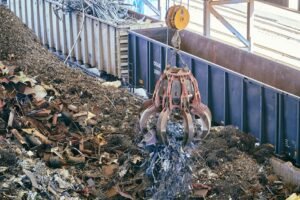
Scrap is collected from households, businesses, or demolition sites. At metal scraper Campbelltown facilities, metals are sorted by type using magnets and manual checks. Non-ferrous metals are separated for specialized processing.
2. Processing and Shredding
Metals are shredded into smaller pieces to increase melting efficiency. Contaminants like plastic or glass are removed to ensure purity. For example, copper wiring is stripped to extract pure copper.
3. Melting and Casting
Cleaned metals are melted in furnaces and cast into ingots or billets. These raw materials are then sold to manufacturers for new products, reducing the need for virgin resources.
4. Distribution
Recycled metals are distributed to industries for reuse. Sell scrap metal Campbelltown to connect with certified buyers offering competitive rates.
Environmental Benefits of Scrap Metal Recycling
Recycling metals significantly reduces environmental harm compared to mining and processing raw ores.
Reduces Carbon Emissions
Producing new steel from recycled scrap saves up to 60% of greenhouse gas emissions. Metal scraper Campbelltown facilities help divert millions of tons of waste from landfills annually.
Conserves Natural Resources
Recycling 1 ton of aluminum saves 14,000 kWh of energy—equivalent to a home’s annual usage. This reduces pressure on bauxite mining, which destroys ecosystems.
Minimizes Landfill Waste
Landfills take up valuable space and leach toxins into soil and water. Recycling metals prevents hazardous materials like lead (from batteries) from contaminating the environment.
Practical Tips for Selling Scrap Metal in Campbelltown
Maximize your returns by following these expert strategies:
1. Sort Scrap Properly
Separate ferrous and non-ferrous metals. Clean items like copper wiring to avoid deductions for contamination.
2. Research Local Buyers
Compare rates from scrap metal buyers Campbelltown for the best deals. Check reviews to ensure legitimacy.
3. Track Market Trends
Prices fluctuate based on global demand. Use Scrap Metal Prices to time your sales effectively.
4. Prepare for Pickup
Large quantities can be hauled by professional services. Sell scrap metal near me in 2026 for convenient pickup options.
Economic and Community Impact
Metal scraper Campbelltown contributes to local economies by creating jobs in collection, processing, and manufacturing. Recycling also supports industries by providing affordable raw materials. For businesses, recycling scrap reduces costs and aligns with sustainability goals.
Choosing a Reliable Recycling Partner
Partner with certified recyclers who adhere to environmental standards. Scrap Metal Recycling Near Me connects you with vetted facilities in Campbelltown. Reputable scrap yards will:
- Provide transparent pricing and payment options.
- Offer eco-friendly processing methods.
- Ensure safe handling of hazardous materials.
Conclusion
Metal scraper Campbelltown is essential for sustainable resource management. By understanding scrap grades, recycling processes, and environmental benefits, individuals and businesses can contribute to a greener future. Use the resources and links provided to find local recycling solutions, track prices, and sell scrap efficiently. Visit Scrap Trade for tools to navigate the scrap metal market, and explore ScrapTrade.com.au for industry insights.
FAQs
What are the most valuable scrap metal grades? (FAQ 1)
Copper, aluminum, and stainless steel typically offer the highest returns. Check Scrap Metal Prices for current rates in Campbelltown.
How does recycling reduce environmental harm? (FAQ 2)
Recycling metals saves energy, reduces mining waste, and prevents landfill pollution. For example, producing recycled aluminum uses 95% less energy than refining new aluminum.
Can I sell small quantities of scrap metal? (FAQ 3)
Yes, many sell scrap metal Campbelltown facilities accept small amounts. Sorting and cleaning your scrap increases your payout.
What documentation is needed to sell scrap? (FAQ 4)
Most buyers require ID to verify ownership and compliance with regulations. Large commercial sales may need invoices or permits.
Frequently Asked Questions
What are the most valuable scrap metal grades?
Copper, aluminum, and stainless steel typically offer the highest returns. Check Scrap Metal Prices for current rates in Campbelltown.
How does recycling reduce environmental harm?
Recycling metals saves energy, reduces mining waste, and prevents landfill pollution. For example, producing recycled aluminum uses 95% less energy than refining new aluminum.
Can I sell small quantities of scrap metal?
Yes, many sell scrap metal Campbelltown facilities accept small amounts. Sorting and cleaning your scrap increases your payout.
What documentation is needed to sell scrap?
Most buyers require ID to verify ownership and compliance with regulations. Large commercial sales may need invoices or permits.