
Understanding metal scraps is essential for every Australian tradie, manufacturer, council recycler or property renovator who wants to capture value, meet EPA obligations and slash carbon footprints. This pillar guide explains every grade, the recycling chain, environmental wins, pricing levers and practical tips to help you trade or dispose of scrap responsibly.
1. What Counts as Metal Scraps in Australia?
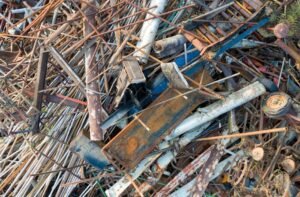
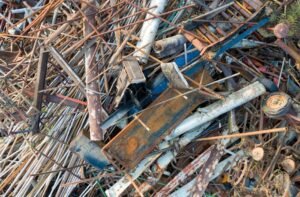
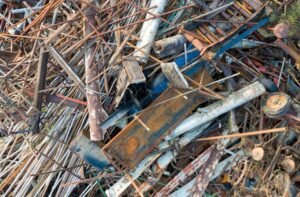
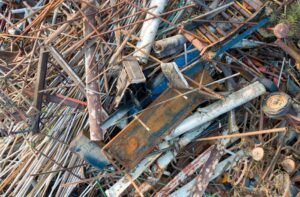
Metal scraps are any discarded metallic material that still retains intrinsic value and can be re-melted instead of land-filled. The Australian Metals Recycling Industry divides scrap into two broad families:
- Ferrous scraps: iron and steel from demolition beams, car bodies, whitegoods, reo-bar off-cuts.
- Non-ferrous scraps: copper, aluminium, brass, stainless, lead, zinc, nickel, titanium and their alloys.
Each family is sub-graded by chemistry, density, contamination and physical size. Knowing the grade before you call a recycler or list on https://scrap.trade determines whether you receive top “Grade 1” pricing or discounted “mixed” rates.
2. Official Grades of Metal Scraps
Scrap specifications in Australia follow the ISRI (Institute of Scrap Recycling Industries) nomenclature plus local AS 1548 standards. Below are the grades most frequently traded on the Australian market.
2.1 Ferrous Grades
| Grade | Description | Typical Sources | Price Indicator* |
|---|---|---|---|
| HMS 1 & 2 (80:20) | Heavy melting steel ≤ 6 mm thick, no galvanised, no closed containers | Demolition beams, ship plate | Moderate |
| shredded scrap (SHRED) | Homogeneous fragmentised auto bodies, density ≥ 0.7 t/m³ | Car recycling plants | Premium |
| Re-bar off-cuts | Clean steel bar ≤ 1 m | Construction sites | Low |
| Cast iron | Automotive blocks, storm-water grates | Engine re-builders, councils | Moderate |
2.2 Non-Ferrous Grades
| Grade | Chemistry Requirement | Contamination Tolerance | Price Indicator* |
|---|---|---|---|
| Candy / Bare Bright Copper | > 99.9 % Cu, uncoated | < 0.5 % oxide | Premium |
| Copper #2 | 94–96 % Cu | Paint, solder, coatings OK | Good |
| Aluminium 6063 Extrusion | Typical Mg 0.5 %, Si 0.4 % | No steel inserts | Good |
| Aluminium Cast | Lower Si content, higher Fe | Oil & moisture < 1 % | Moderate |
| Stainless 304 | 18 % Cr, 8 % Ni | No non-ferrous attachments | High |
| Brass (Honey) | Copper + Zn alloys, free of valves | < 5 % foreign attachments | High |
*Price indicators move daily; check our live Metal Prices portal before you haul to yard.
3. How Metal Scraps Are Recycled – Step-by-Step
The recycling loop for metal scraps is a textbook example of circular economics: same atoms, new products, indefinitely. Here is the process for both ferrous and non-ferrous streams.
3.1 Collection & Logistics
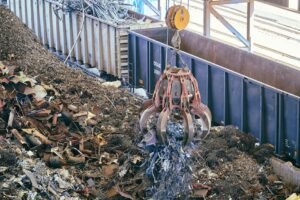
Scrap is generated at factories, demolition sites, households and auto dismantlers. Mini-skips, roll-on/roll-off bins and 30 m³ hook-lifts are placed on-site. When full, licensed transporters move under Controlled Waste regs to an EPA-licensed facility. Use the interactive map on Metal Recycling Near Me to locate the closest weighbridge.
3.2 Pre-Sorting & Shearing
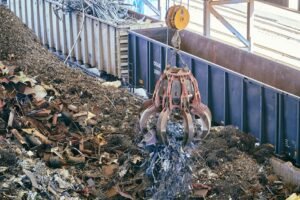
Visual inspection removes explosives, gas bottles, radioactive sources. Over-size items are sheared by 1 000 t guillotine or cut with lancing torches to < 1 m for furnace charging.
3.3 Magnetic Separation
Over-band magnets pull ferrous from non-ferrous. Eddy-current separators later eject aluminium and copper from the residual stream, ensuring purity > 95 %.
3.4 Shredding & Dense Media
Auto bodies enter the 7 000 hp hammer-mill, emerging as palm-size shreds. Heavy media (ferro-silicon baths) separates non-metallics (foam, plastics) and upgrades copper content in the metal scrapes fraction.
3.5 Furnace Melting
Electric arc furnaces (EAF) melt steel at 1 600 °C in 45 min; aluminium reverberatory furnaces operate at 750 °C. Induction furnaces handle copper alloys. Energy savings: 56 % for steel, 92 % for Al.
3.6 Refining & Casting
De-slagging, oxygen blowing and laser spectro-chemical analysis adjust chemistry to ASTM or AS specs. Molten metal is then cast into billets, slabs or 12 kg ingots for downstream manufacturing.
3.7 Rolling & Re-manufacture
Recycled steel re-enters construction re-bar, railway line, colourbond roofing. Recycled Al becomes UBC cans, Toyota engine blocks, MacBook cases. The loop closes in 30–90 days.
4. Environmental Benefits of Recycling Metal Scraps
Australia mines 1.2 bn t of ore annually; recycling reduces the ecological footprint dramatically.
- CO₂ mitigation: Every t of recycled steel saves 1.67 t CO₂; 1 t recycled aluminium saves 9.3 t CO₂.
- Energy: 60 % less energy for steel, 95 % for aluminium versus virgin smelting.
- Water: 40 % reduction in water use, no tailings dam failures.
- Landfill: 10 m³ of landfill space saved per tonne of mixed metal scrap diverted.
Governments award carbon credits under the Emissions Reduction Fund to processors who document source-separated feedstock, so recyclers can monetise both metal and carbon. For a deep dive into policy, visit ScrapTrade.com.au policy hub.
5. Price Drivers and How to Maximise Returns
Scrap prices are not arbitrary; they track the London Metal Exchange (LME), AUD/USD parity, ocean freight and regional demand. Follow these rules to extract every cent:
- Know your grade: Separate copper #1 from copper #2 before pick-up; one misplaced steel screw can downgrade an entire drum.
- Clean and de-oil: Aluminium engine blocks dripping coolant attract moisture penalties. Use a parts washer.
- Remove contaminants: Brass valves with 2 % Pb can be classified “Honey” only if free of plastics.
- Bundle or bale: Denser bales achieve higher mill uptake and freight savings.
- Time the market: Copper peaks ahead of Chinese New Year; steel dips in July lull. Monitor Metal Prices for free real-time alerts.
- Document weightbridge tickets: EPA requires Chain of Custody; accurate weigh-tags protect against under-payment claims.
6. Where to Sell or Recycle Metal Scraps Near You
Urban yards in Sydney, Melbourne, Brisbane accept walk-in loads up to 250 kg over the counter. For larger industrial generators, same-day bin swaps and 30-day payment terms are standard. Regional centres rely on mobile shearing crews and rail siding to remain competitive. To locate an accredited site with the best rates, use the map tool at Metal Recycling Near Me. If you are planning next year’s demolition schedule, bookmark our forward-looking guide: Sell Scrap Metal Near Me In 2026.
7. Workplace Safety and Regulatory Compliance
Scrap yards are classified “heavy industry” under Work Health & Safety Act 2011. Key obligations:
- Guarding: Conveyor head drums must have nip-point guards.
- Lock-out / tag-out: Prevents accidental energising of shredders during clean-outs.
- Confined space: Ball-mill sumps require atmospheric testing before entry.
- Personal protective equipment: Cut-level 5 gloves, metatarsal boots, ear muffs rated to 120 dB(A).
- Radiation: Gate monitors detect orphaned sources; trucks turned away if > 0.5 µSv/h.
Fines reach AUD $1.5 m for corporations, so compliance is cheaper than prosecution. For a checklist download, see the resources page at scarp metal.
8. Future Trends: Smart Sorting and Green Steel
X-ray transmission (XRT) and laser-induced breakdown spectroscopy (LIBS) now sort alloys in milliseconds, replacing manual picking. Steel giants BlueScope and Liberty are investing in hydrogen-based DRI plants that will use 100 % metal scraps as feedstock, eliminating coking coal. By 2030, Australia could export 5 Mt of “green steel” and capture a premium in carbon-conscious markets. Keep track of technology updates via our metal scrapes blog.
Conclusion: Turning Metal Scraps into Sustainable Profits
Whether you are a plumber with a bag of copper fittings or a project manager overseeing a 50 000 t demolition, understanding grades, recycling sequences and pricing levers converts metal scraps from a waste liability into a revenue stream. Separate clean, stay safe, time the market and partner with licensed recyclers to maximise cash and carbon wins. For live pricing, bin bookings and policy news, explore the full suite of tools at Scrap.Trade and start monetising every kilo today.
Frequently Asked Questions
What is the difference between ferrous and non-ferrous metal scraps?
Ferrous scraps contain iron and are magnetic (steel, cast iron); non-ferrous scraps (copper, aluminium, brass) do not contain significant iron and fetch higher prices due to lower weight and corrosion resistance.
How can I get the best price for my copper scrap?
Strip insulation, remove soldered joints, separate #1 bare bright from #2, store in a dry drum to avoid oxidation, and sell when LME copper spikes—track the daily rate on the Metal Prices page.
Is recycling metal scraps really better for the environment than mining?
Yes. Recycling steel saves 1.67 t CO₂ and 60 % energy per tonne; aluminium saves 9.3 t CO₂ and 95 % energy, while eliminating mine tailings and land disturbance.
Do I need to remove plastic handles from aluminium extrusion before selling?
Yes. Plastic, steel inserts or rubber gaskets downgrade the material from 6063 extrusion to ‘aluminium breakage’, cutting the price by up to 40 %. Remove attachments to achieve top grade.