
The phrase metal sell refers to the process of converting unwanted or surplus metal materials into cash through recycling channels. Whether you’re a homeowner clearing out old appliances, a builder managing construction waste, or a business with industrial offcuts, understanding the mechanics of a successful metal sell is essential for securing the best price and avoiding common pitfalls. In Australia, the scrap metal recycling industry is a multi-billion dollar sector that supports sustainability, reduces landfill use, and provides valuable raw materials for manufacturing. This comprehensive guide covers every aspect of how to metal sell efficiently—from preparation and pricing to documentation and payment.
Understanding the Scrap Metal Market in Australia
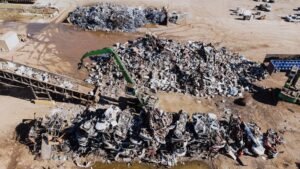
Australia’s scrap metal industry plays a vital role in the national circular economy. Each year, over 3 million tonnes of ferrous and non-ferrous metals are recycled, contributing significantly to resource conservation and greenhouse gas reduction. The demand for recycled metals continues to grow, driven by global manufacturing needs and domestic infrastructure projects. A successful metal sell begins with understanding market dynamics, including supply and demand cycles, metal grades, and international commodity pricing.
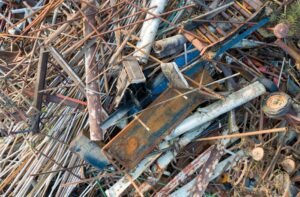
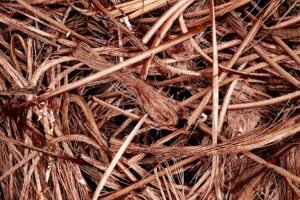
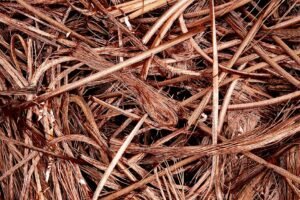
Scrap metal prices fluctuate daily based on global indices such as the London Metal Exchange (LME) and domestic supply chain conditions. Ferrous metals like steel and iron are priced per tonne and generally offer lower returns, while non-ferrous metals such as copper, aluminium, brass, and stainless steel command higher rates due to their reusability and scarcity. For example, clean copper wiring can fetch up to $10–$12 per kilogram, while mixed steel may return only $150–$200 per tonne.
To get the best price, sellers must stay informed about current market trends. Many reputable scrap dealers publish live price lists online, and platforms like Scrap.Trade offer real-time updates and price comparison tools. Staying updated ensures your metal sell transaction reflects fair market value and avoids underpayment.
Additionally, Australia enforces strict regulations on scrap metal trading to combat metal theft and ensure traceability. All licensed scrap dealers must verify the identity of sellers and maintain records of transactions. This legal framework protects both buyers and sellers, reinforcing trust in the marketplace.
How to Prepare Your Scrap Metal for Sale
Proper preparation is the cornerstone of a profitable metal sell. Buyers reward clean, sorted, and well-presented materials with higher prices. Unsorted or contaminated scrap is often downgraded, reducing your payout. Follow these steps to maximize your return:
- Sort by metal type: Separate ferrous metals (attracted to magnets) from non-ferrous (not magnetic). Further categorize non-ferrous metals—copper, aluminium, brass, stainless steel—into individual piles.
- Remove contaminants: Strip insulation from wires, remove plastic fittings from pipes, and detach rubber or wood components from mixed items. Clean metal fetches premium rates.
- Bundle and compress: Use wire or straps to bundle long pieces like rebar or conduit. Compress aluminium cans or sheet metal to save space and reduce handling time.
- Store safely: Keep materials in a dry, secure area to prevent rust and deter theft. Wet or corroded metal is often docked in weight or rejected entirely.
Investing time in preparation pays off. For instance, insulated copper wire sells for significantly less than bare bright copper. Stripping just 10kg of wire can increase your return by 30–50%. Similarly, separating aluminium window frames from steel supports ensures you’re not paid at the lower steel rate.
Homeowners and DIYers can benefit from small-scale sorting. Items like old cookware, plumbing fixtures, and electrical fittings often contain high-value metals. Even obsolete electronics contain recoverable copper and gold. Proper segregation turns junk into cash.
Commercial operations should consider investing in on-site sorting equipment or partnering with a certified metal recycler that offers pickup and processing services. This streamlines the metal sell process and ensures compliance with environmental standards.
Where to Sell Scrap Metal: Local vs. Online Options
Knowing where to sell your scrap metal is crucial for convenience, safety, and profitability. In Australia, sellers have several options—local scrapyards, mobile buyers, and digital platforms. Each has its advantages depending on volume, location, and metal type.
Local scrap yards remain the most popular choice for immediate cash transactions. These facilities accept walk-in customers, weigh materials on-site, and pay on the spot—often referred to as cash for scrap. Major cities like Sydney, Melbourne, Brisbane, and Perth host numerous licensed recyclers, many of which offer free drop-off and competitive pricing. Use the Metal Recycling Near Me tool to locate accredited facilities in your area.
Mobile scrap buyers are ideal for large volumes or commercial clients. These services come to your location, assess the material, and provide instant payment. While convenient, ensure the buyer is licensed and transparent about pricing. Unlicensed operators may offer higher rates but operate outside legal frameworks, risking future liability.
Digital platforms are revolutionizing the metal sell experience. With sell metal online, you can compare quotes from multiple buyers, schedule pickups, and track payments—all from your phone or computer. This method is especially effective for businesses managing regular scrap output. Online platforms often provide better pricing due to reduced overhead and broader buyer networks.
For individuals, the sell scrap metal portal offers a streamlined interface to connect with local recyclers, view current rates, and receive instant valuations. Whether you’re in a regional town or a metropolitan area, digital access ensures you’re not limited by geography when deciding where to sell.
Some platforms even integrate with logistics providers, enabling nationwide shipping of high-value metals. This is particularly useful for rare or specialty alloys not readily accepted at local yards.
How to Get the Best Price for Your Scrap Metal
Securing the best price requires strategy, timing, and market awareness. Scrap metal is a commodity, and prices are influenced by global demand, transportation costs, and local supply. Here’s how to maximize your payout:
- Sell during peak demand periods: Construction booms, manufacturing upticks, and export surges drive up prices. Late spring and early summer often see higher demand for metals used in infrastructure and housing.
- Compare multiple buyers: Never accept the first offer. Use online tools to benchmark prices across recyclers. A difference of $0.50/kg on copper can mean hundreds of dollars on larger loads.
- Negotiate based on purity: If you’ve sorted and cleaned your metal, insist on premium grading. Ask for a breakdown of how your material was assessed.
- Accumulate larger volumes: Selling 100kg at once often earns a better rate per kilo than five 20kg trips. Bulk handling reduces processing costs for the buyer, allowing them to pass on savings.
- Monitor global markets: Track LME copper, aluminium, and nickel prices. When international rates rise, local scrap values usually follow within days.
Another key factor is weight accuracy. Always ensure the scale used is certified and visible. Reputable scrap yards display their license and scale certification. If in doubt, ask for a reweigh or take your load elsewhere.
Some recyclers offer loyalty programs or volume discounts. Registering with a preferred scrap dealer can lead to long-term benefits, including priority service and price alerts. For businesses, signing a supply agreement with a trusted recycler ensures stable pricing and predictable revenue.
Remember, the best price isn’t always the highest quoted number. Consider reliability, payment speed, and service quality. A slightly lower offer from a licensed, ethical recycler is better than a risky deal with an unverified buyer.
Platforms like Sell Scrap provide price transparency and user reviews, helping you make informed decisions. These tools empower you to get paid fairly and efficiently.
Documents Needed to Sell Scrap Metal in Australia
Legal compliance is mandatory for any metal sell transaction in Australia. All states and territories require scrap metal sellers to present valid identification to prevent theft and illegal trading. Failure to provide documents can result in refusal of service or even legal penalties.
The most commonly accepted form of ID is a government-issued photo identification, such as:
- Driver’s licence
- Proof of Age card
- Passport
- Keypass ID
In addition to personal ID, commercial sellers may need to provide:
- Company registration (ABN)
- Business address and contact details
- Invoice or delivery docket for the scrap material
Some recyclers require a statutory declaration if the metal is being sold on behalf of another party or if the material is sourced from a third-party site (e.g., a renovation project). This protects against stolen property claims.
Reputable scrap dealer operations maintain electronic records of all transactions, including the seller’s ID, material type, weight, and payment method. These records are audited by state authorities to ensure compliance with anti-theft laws.
If you’re selling metal from a worksite, ensure you have authorization from the site owner or manager. Many recyclers will not accept materials without a site release form, especially for copper or electrical components.
Always ask for a receipt after your metal sell. It should include the date, weight, price per kilo, total payment, and buyer details. This serves as proof of legal sale and can be useful for tax or accounting purposes.
Payment Methods and How to Get Paid Quickly
Once your scrap is weighed and assessed, the next step is to get paid. Most recyclers offer instant payment through various methods:
- Cash: Common for small to medium loads. Ideal for individuals seeking immediate cash for scrap.
- Bank transfer (EFT): Preferred for larger transactions. Funds typically arrive within 24 hours.
- Poly or prepaid cards: Some yards issue reloadable cards that can be used like debit cards.
- Digital wallets: Emerging platforms support PayPal, PayID, or cryptocurrency settlements.
Speed of payment varies by facility. Licensed recyclers with digital systems often process payments faster than smaller yards relying on manual processes. For businesses, choosing a buyer that offers same-day EFT ensures smooth cash flow.
To avoid delays, ensure all documentation is in order before arrival. Long queues or payment hold-ups are often due to incomplete ID checks or disputed material origins.
Online platforms streamline the payment process. When you Sell Scrap Metal Near Me In 2026, many digital services provide pre-approved pricing and scheduled pickups, eliminating wait times. Payment is often released immediately after verification.
For high-volume sellers, some recyclers offer direct deposit agreements, where payments are automatically sent after each delivery. This reduces administrative burden and improves financial tracking.
Always verify the legitimacy of the payment method. Avoid recyclers that offer unusually high prices or request personal banking details beyond standard verification. Stick to licensed, well-reviewed scrap dealer networks to ensure secure transactions.
Environmental and Economic Benefits of Metal Recycling
Beyond financial gain, a successful metal sell contributes to environmental sustainability and national economic resilience. Recycling scrap metal saves up to 95% of the energy required to produce new metal from ore. For example, recycling aluminium uses only 5% of the energy needed for primary production.
In Australia, metal recycling reduces greenhouse gas emissions by over 10 million tonnes annually—equivalent to taking 2 million cars off the road. It also conserves natural resources, reduces landfill strain, and supports green manufacturing.
Economically, the scrap industry employs thousands of Australians in collection, processing, and logistics roles. It also strengthens supply chains by providing domestic sources of raw materials, reducing reliance on imports.
When you participate in metal sell activities, you’re not just earning money—you’re supporting a cleaner, more sustainable future. Every kilogram of metal recycled is one less kilogram mined, transported, and processed from virgin resources.
Businesses can enhance their ESG (Environmental, Social, Governance) credentials by implementing formal scrap management programs. Regular metal sell initiatives demonstrate commitment to sustainability and operational efficiency.
Platforms like ScrapTrade Australia provide tools for businesses to track recycling volumes, generate sustainability reports, and benchmark performance against industry standards.
Conclusion: Maximize Your Metal Sell Success in Australia
Selling scrap metal in Australia is more than just a way to get paid for unwanted materials—it’s a strategic opportunity to contribute to the circular economy while earning competitive returns. From identifying valuable metals to choosing the right buyer and ensuring legal compliance, every step of the metal sell process impacts your outcome.
To succeed, focus on preparation, research, and documentation. Sort your metals, remove contaminants, and compare offers from multiple scrap dealer networks. Use digital tools to access real-time pricing and convenient services like sell metal online or Metal Recycling Near Me. Always bring valid ID and insist on a receipt.
Whether you’re clearing out a garage or managing industrial waste, the principles remain the same: clean metal sells for more, informed sellers get the best price, and licensed recyclers ensure safe, legal transactions. By following this guide, you’ll turn scrap into cash efficiently and responsibly.
Start your journey today by exploring sell scrap metal options in your region and discover how easy it is to metal sell with confidence.
Frequently Asked Questions
What documents do I need to sell scrap metal in Australia?
You must provide a valid government-issued photo ID such as a driver’s licence or passport. Commercial sellers may also need an ABN and proof of business address. Some recyclers require a statutory declaration for materials sourced from third-party sites.
Where can I get the best price for scrap metal?
The best price comes from licensed recyclers who pay based on current market rates. Compare prices online, sell clean and sorted metals, and consider timing your sale during peak demand periods to maximize returns.
Can I sell scrap metal online in Australia?
Yes, you can sell metal online through platforms that connect you with verified buyers, offer instant quotes, and arrange pickups for convenient and transparent transactions.
How is scrap metal priced in Australia?
Scrap metal is priced by weight and type, with rates influenced by global commodity markets. Non-ferrous metals like copper and aluminium fetch higher prices than ferrous metals like steel, and clean, sorted materials receive premium rates.