
Overview of Metal Stainless Steel Sheet
Metal stainless steel sheet is a versatile, flat piece of alloy that combines the toughness of steel with the corrosion resistance of chromium and nickel. In Australia, it is a staple in building facades, kitchen appliances, automotive components and even in the food‑processing industry. Because of its durability and aesthetic appeal, stainless steel sheet remains a high‑value item in the scrap market. This guide covers every facet of metal stainless steel sheet – from its composition and grades to its applications, recycling, pricing dynamics and practical buying or selling tips.
Composition and Key Grades: 304 vs 316
Stainless steel sheet is primarily made of iron, but the addition of chromium (minimum 10.5%) and nickel (2–8%) gives it its hallmark resistance to rust. The most common grades for sheet metal are 304 and 316, each offering distinct advantages:
- 304 Stainless Steel Sheet – The most widely used alloy, featuring 18% chromium and 8% nickel. It is highly resistant to general corrosion, easy to form, and cost‑effective. 304 is ideal for kitchen equipment, HVAC components, and general construction.
- 316 Stainless Steel Sheet – Contains 10% chromium, 2% nickel, and 2% molybdenum, which dramatically improves resistance to chloride ions. 316 is preferred for marine environments, chemical plants, and pharmaceutical equipment where salt or acidic exposure is common.
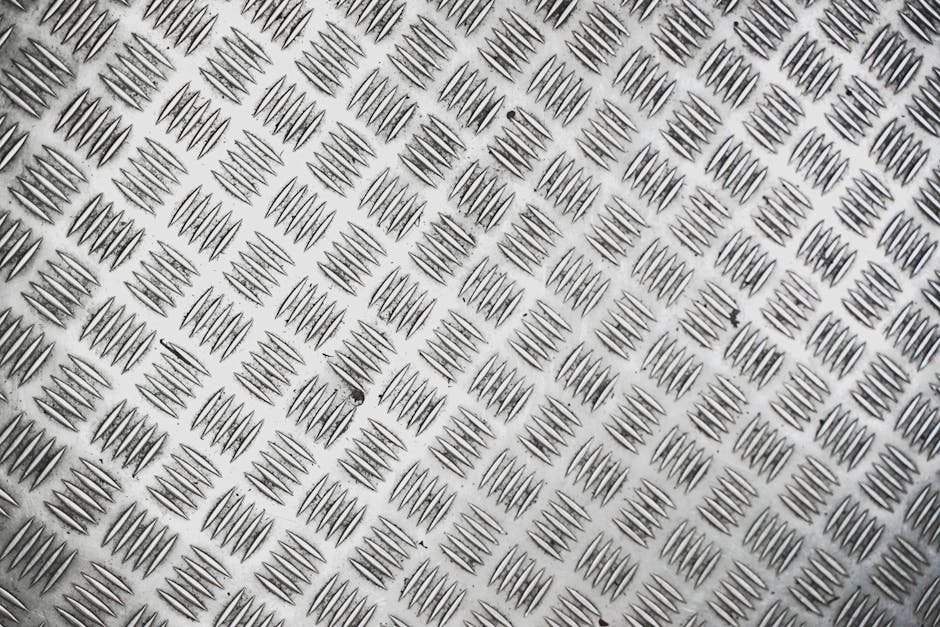
Both grades are available in various thicknesses and finishes, from bright polished to matte brushed, and can be further processed into cut‑to‑size sheets, coils, or custom shapes. The term metal stainless steel sheet is often used interchangeably with stainless sheet metal but emphasises the sheet form factor.
Properties and Advantages of Stainless Steel Sheet
When evaluating whether to use stainless steel sheet, consider the following attributes:
- Corrosion Resistance – The chromium content forms a passive oxide layer that protects the metal from oxidation. 316 offers superior protection in chloride‑rich environments.
- High Strength & Toughness – Even at thin gauges, stainless steel sheet can withstand significant loads, making it ideal for structural panels.
- Thermal Conductivity – Good heat transfer properties suit kitchen appliances and heat exchangers.
- Formability & Machinability – The material can be bent, rolled, or stamped with minimal cracking.
- Aesthetic Appeal – A polished or brushed finish provides a sleek, modern look that is difficult to match with other metals.
Because of these benefits, stainless steel sheet is a preferred choice for both functional and design‑driven projects. It also remains a valuable commodity in the scrap market, where its high metal content and recyclability drive demand.
Common Applications and Industries
The adaptability of metal stainless steel sheet is reflected in its widespread use across several sectors:
- Construction & Architecture – Facade cladding, roofing, balcony railings, and interior partitions. Stainless steel sheet’s weather‑resistance reduces maintenance costs.
- Automotive & Aerospace – Engine housings, exhaust systems, and interior trim. The material’s strength-to-weight ratio is a critical factor.
- Food & Beverage Processing – Tanks, piping, and kitchen equipment. The non‑porous surface prevents bacterial growth.
- Healthcare & Pharmaceutical – Surgical instruments, lab benches, and sterilisation chambers. 316 stainless steel sheet is often mandated for its chemical resistance.
- Marine & Offshore – Hull panels, decking, and equipment housings. 316’s chloride resistance protects against sea water corrosion.
In addition to these primary uses, stainless steel sheet is also popular in art installations, retail displays, and signage due to its durability and visual appeal.
Recycling and the Scrap Market
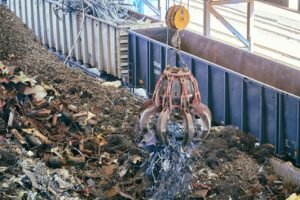
Stainless steel sheet is a prime candidate for recycling because it can be re‑melted without significant loss of quality. In Australia, the scrap steel industry is a major contributor to the national recycling economy. Key points to understand the market:
- Ferrous vs. Non‑Ferrous – While stainless steel is technically a non‑ferrous alloy, it is often grouped with ferrous metals in trading due to its iron base. However, its distinct composition requires separate handling and pricing.
- Grade‑Specific Pricing – 304 and 316 sheets command different prices per tonne. Market rates fluctuate based on global supply, demand, and raw material costs.
- Size and Thickness – Thicker sheets fetch higher prices because they contain more metal per unit area. Sheets over 3 mm are considered heavy‑weight and are highly sought after by manufacturers.
- Surface Condition – Clean, unpainted sheets are preferred. Surface contaminants, rust, or previous coatings can reduce value.
- Legal and Environmental Compliance – Australian regulations require proper labeling and segregation of stainless steel scrap to ensure safe handling and environmental protection.
To get an accurate estimate for your stainless steel sheet, you can consult dedicated pricing resources such as the Stainless Steel Scrap Price page, which provides up‑to‑date rates for 304 and 316 grades.
Pricing Factors and How to Get a Quote
When you’re ready to sell or purchase metal stainless steel sheet, understanding the pricing structure is essential. Key variables include:
- Grade (304 vs 316) – 316 typically trades at a premium due to its molybdenum content.
- Weight per tonne – The price per tonne is the standard metric used by buyers and sellers.
- Market Conditions – Global steel prices, domestic demand, and supply chain disruptions impact the rate.
- Quantity – Bulk orders often receive discounts; smaller consignments may incur higher handling fees.
- Condition and Finish – Clean, flat sheets without dents or corrosion fetch higher prices.
For a reliable quote, contact a reputable buyer or use online calculators. Australian buyers such as Scrap.trade provide a straightforward platform for price comparison, while Scraptrade.com.au offers local expertise and fast turnaround times.
Practical Tips for Buying and Selling Stainless Steel Sheet
Whether you’re a manufacturer, recycler, or a small business owner, these actionable tips can help you maximise value and avoid pitfalls:
- Verify Grade and Thickness – Request a certificate of analysis or a supplier’s spec sheet. Mislabeling can lead to significant financial loss.
- Inspect for Damage – Check for dents, warping, or corrosion. Minor dents may be acceptable, but extensive damage can lower the price.
- Keep Records – Maintain invoices, shipping documents, and any quality certificates. This ensures traceability and compliance.
- Use Trusted Buyers – Platforms like Metal Pipe Scrap Buyers Copper Steel Stainless Pipe specialize in handling a variety of metal types, including stainless steel sheet, and provide transparent pricing.
- Consider Transportation Costs – Heavy sheet metal can be costly to ship. Factor in logistics when negotiating the final price.
- Stay Updated on Market Trends – Subscribe to industry newsletters or follow market reports to anticipate price shifts.
- Explore Bulk Deals – If you have large quantities, negotiate a bulk rate. Buyers often offer discounts for volume purchases.
- Check for Environmental Incentives – Some regions offer rebates or tax incentives for recycling metals, which can improve profitability.
For those interested in specific product listings, the stainless steel sheet for sale page provides a range of available sheets, while the 316 stainless steel sheet metal link offers detailed information on this premium grade.
Linking to Related Resources
If you’re looking to expand your knowledge or explore complementary products, consider the following resources:
- Light Steel Scrap Price Sheet Metal Appliances – A guide to pricing lighter steel scrap, including stainless steel sheet used in appliances.
- Stainless Steel Scrap Price – Real‑time pricing for 304 and 316 grades.
- Metal Pipe Scrap Buyers Copper Steel Stainless Pipe – A comprehensive list of buyers for various metal pipes and sheets.
- Scrap.trade – Your go‑to platform for buying, selling, and learning about scrap metal.
- Scraptrade.com.au – Local Australian scrap trading solutions and support.
Conclusion
Metal stainless steel sheet is a cornerstone of modern manufacturing and construction, offering unmatched strength, corrosion resistance, and versatility. Whether you are sourcing it for a new project or looking to recycle it for profit, understanding its grades, market dynamics, and best‑practice handling will set you up for success. By staying informed about pricing trends, leveraging trusted platforms, and maintaining rigorous quality checks, you can navigate the complex landscape of stainless steel sheet trading with confidence.
Further Reading
For deeper dives into related topics, explore our additional articles on Stainless Steel Scrap Price, Light Steel Scrap Price Sheet Metal Appliances, and Metal Pipe Scrap Buyers. These resources will help you stay ahead in the ever‑evolving scrap metal market.
Frequently Asked Questions
What are the main grades of stainless steel sheet used in Australia?
The most common grades are 304, offering general corrosion resistance, and 316, which includes molybdenum for enhanced chloride resistance. Both grades are widely used across construction, automotive, and food‑processing industries.
How is stainless steel sheet priced in the scrap market?
Pricing is based on grade, weight per tonne, thickness, market demand, and surface condition. 316 sheets generally command a premium over 304 due to their superior corrosion resistance.
Can stainless steel sheet be recycled?
Yes, stainless steel sheet is highly recyclable. It can be melted and re‑made without loss of quality, making it a valuable commodity in the recycling economy.
Where can I find reliable buyers for stainless steel sheet?
Platforms such as Scrap.trade and Scraptrade.com.au connect sellers with reputable buyers, offering transparent pricing and streamlined logistics for stainless steel sheet and other scrap metals.