
Navigating the landscape of metal top recyclers in Australia requires an understanding of how the industry functions, from initial collection to final refinement. Whether you are a tradesperson looking to clear a job site or a homeowner cleaning out a garage, knowing how to identify reputable recyclers is essential for maximizing your returns and ensuring your materials are processed sustainably. As the industry evolves, finding a reliable partner is easier than ever if you know what to look for.
The Importance of Choosing Metal Top Recyclers
Selecting the right partner is the first step in the recycling journey. Professional recyclers do more than just weigh your metal; they provide a vital link in the circular economy. By choosing to work with metal top recyclers, you ensure that your materials are handled according to strict environmental standards. This is particularly important when dealing with hazardous materials or complex alloys that require specialized processing. When you search for Scrap Metal Recycling Near Me, you are looking for more than just proximity; you are looking for transparency, competitive pricing, and efficient logistics.
Furthermore, the market for scrap metal is highly volatile. Staying informed about current market trends and Scrap Metal Prices is crucial for anyone looking to maximize the value of their scrap. Professional recyclers provide the data and reliability needed to navigate these fluctuations. Whether you are dealing with copper, aluminum, or steel, the right recycler will offer fair grading and prompt payment, ensuring that your contribution to the recycling ecosystem is both profitable and environmentally responsible.
The Comprehensive Metal Recycling Process
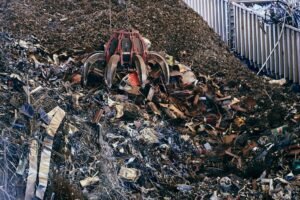
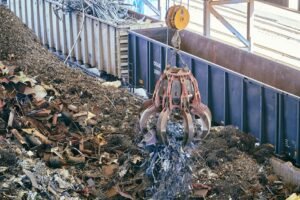
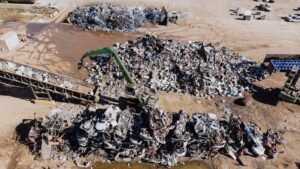
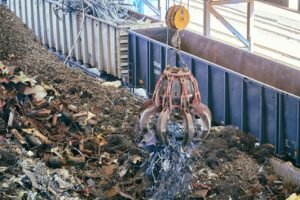
The journey from a discarded piece of metal to a new product is a sophisticated industrial process. It begins with collection, where scrap is gathered from various sources, including demolition sites, automotive workshops, and household collections. Once the material reaches a professional recycling centre, it undergoes a rigorous sorting process. Advanced technology, such as magnetic separators and X-ray fluorescence (XRF) analyzers, is used to identify the exact composition of the metal. This precision is what separates high-quality recyclers from basic scrap yards.
After sorting, the metal is processed. This may involve shredding, shearing, or baling to reduce the volume of the material for easier transport. The shredded metal is then melted down in large furnaces to create molten metal, which is then cast into ingots or billets. These ingots serve as the raw material for manufacturers, effectively closing the loop. By choosing to work with metal top recyclers, you are supporting a process that significantly lowers the demand for virgin ore mining, which is one of the most energy-intensive and environmentally damaging industries in the world.
Drop-off vs. Pickup Service: Choosing the Right Logistics
One of the most common questions for those looking to recycle is whether to utilize a drop-off service or a professional pickup service. A drop-off is ideal for smaller quantities of metal. It allows you to visit a local facility, have your material weighed on certified scales, and receive immediate payment. This is often the fastest way to clear out a garage or a small workshop. For those in specific regions, looking for metal recyclers sunshine can provide convenient access to these drop-off facilities.
On the other hand, a pickup service is essential for large-scale operations, such as industrial demolition or ongoing construction projects. Professional recyclers will provide bins or skips to your location, which are then collected once full. This service is designed to minimize downtime on your site and ensure that heavy or bulky materials are transported safely. If you are planning a large cleanup, you might want to Sell Scrap Metal Near Me In 2026 by scheduling a pickup well in advance. This ensures that you have the necessary infrastructure on-site to manage your waste stream effectively.
Environmental Impact and Your Carbon Footprint
The environmental benefit of metal recycling cannot be overstated. Every tonne of recycled steel saves over a tonne of iron ore, 630 kg of coal, and 55 kg of limestone. This massive reduction in raw material extraction translates directly into a smaller carbon footprint. When metal is recycled, it requires significantly less energy compared to producing new metal from raw ore. For instance, recycling aluminum saves approximately 95% of the energy required to produce it from bauxite ore.
By diverting metal from landfills, recyclers prevent heavy metals from leaching into the soil and groundwater. This protection of local ecosystems is a core component of sustainable waste management. Whether you are dealing with copper cabling, lead-acid batteries, or structural steel, your decision to recycle is a direct action against climate change. Companies like ferris metal recyclers have set benchmarks for how industrial players can integrate these environmental goals into their daily operations. To learn more about how you can contribute to a greener future, visit Australia’s leading scrap trading portal for industry insights and resources.
Maximizing Your Returns: Practical Tips for Sellers
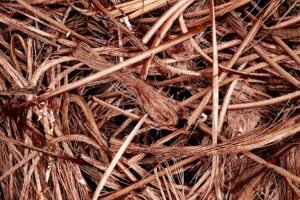
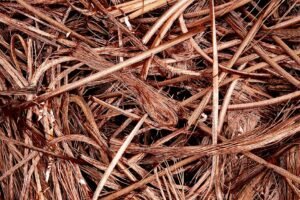
To get the best value for your scrap metal, preparation is key. First, segregate your metals. Mixing ferrous metals (like steel and iron) with non-ferrous metals (like copper, aluminum, and brass) will often result in a lower overall price. Non-ferrous metals are significantly more valuable, so keep them separate to ensure you are paid the correct rate for each category.
Second, clean your scrap. Remove non-metallic attachments like plastic, wood, or rubber insulation. While some recyclers will accept “dirty” scrap, you will receive a higher price for clean, pure metal. Third, keep an eye on the market. Prices change daily based on global demand. If you have a large quantity of a specific metal, consider holding onto it until prices peak. Finally, always work with reputable, licensed recyclers who use calibrated scales. Transparency in the weighing process is the hallmark of a professional operation.
The Future of Metal Recycling in Australia
The Australian scrap metal industry is undergoing a digital transformation. We are moving toward a future where tracking the origin and lifecycle of metal is standard practice. This traceability is essential for circular economy initiatives, where manufacturers want to know the recycled content of the materials they purchase. As we look toward 2026 and beyond, the integration of blockchain and IoT in the recycling sector will likely streamline the process, making it easier for individuals and businesses to track their contributions to sustainability.
Furthermore, government regulations are tightening regarding waste disposal and environmental reporting. This will push more businesses to partner with certified recyclers who can provide detailed documentation of their recycling activities. This shift not only benefits the environment but also provides businesses with a competitive advantage, as consumers and partners increasingly value sustainable supply chains. By engaging with the industry now, you are positioning yourself at the forefront of this sustainable transition.
Common Pitfalls to Avoid
One of the biggest mistakes people make is underestimating the value of certain items. For example, many people throw away old electrical appliances, not realizing they contain valuable copper wiring or circuit boards. Always take a moment to inspect items before discarding them. Another mistake is failing to verify the legitimacy of a recycler. Always ensure the company has the necessary environmental permits and a history of reliable service. Working with unlicensed operators can lead to improper disposal, which can have legal and environmental consequences for you as the generator of the waste.
Additionally, ignore the “too good to be true” prices. If a recycler is offering significantly higher prices than the market average, they may be cutting corners on safety, environmental compliance, or weighing accuracy. Stick to established, transparent businesses that provide clear pricing structures and professional service. By avoiding these common pitfalls, you ensure a smooth, profitable, and environmentally sound recycling experience.
Conclusion
Recycling metal is one of the most effective ways to contribute to a sustainable future. From the energy savings of using recycled aluminum to the preservation of natural resources through steel reclamation, the impact of your efforts is profound. By understanding the processes, choosing the right logistics, and staying informed about market trends, you can turn your scrap into a valuable resource. Whether you are a large-scale industrial operator or a household recycler, the infrastructure is there to support you. Start by identifying your local professional recyclers, separating your materials, and taking that first step toward a more circular economy.
Frequently Asked Questions
What is the difference between ferrous and non-ferrous metals?
Ferrous metals contain iron and are typically magnetic, such as steel and iron. Non-ferrous metals do not contain iron, are non-magnetic, and include materials like copper, aluminum, brass, and lead, which usually carry a higher market value.
How do I know if I should choose pickup or drop-off?
Choose drop-off for smaller loads that fit in a standard vehicle to avoid logistics fees. Choose a pickup service if you have large volumes, heavy machinery, or ongoing project waste that requires industrial bins.
Does cleaning my scrap metal really increase the price?
Yes. Removing contaminants like plastic, rubber, or wood ensures the metal is considered ‘clean’ by the recycler. Clean metal is easier to process and fetches a higher price per kilogram.
How often do scrap metal prices change?
Scrap metal prices fluctuate based on global supply and demand, similar to the stock market. Most professional recyclers update their pricing daily or weekly to reflect these shifts.