
Australia’s national scrap metal recyclers form a critical network that transforms discarded metal into valuable raw material, supporting a circular economy and lowering the nation’s carbon footprint. Whether you are a construction firm, a small business, or a homeowner, understanding how this network works helps you make informed decisions about disposal, profit, and environmental stewardship.
How National Scrap Metal Recyclers Operate
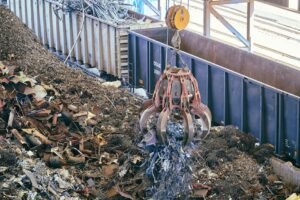
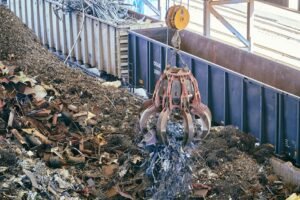
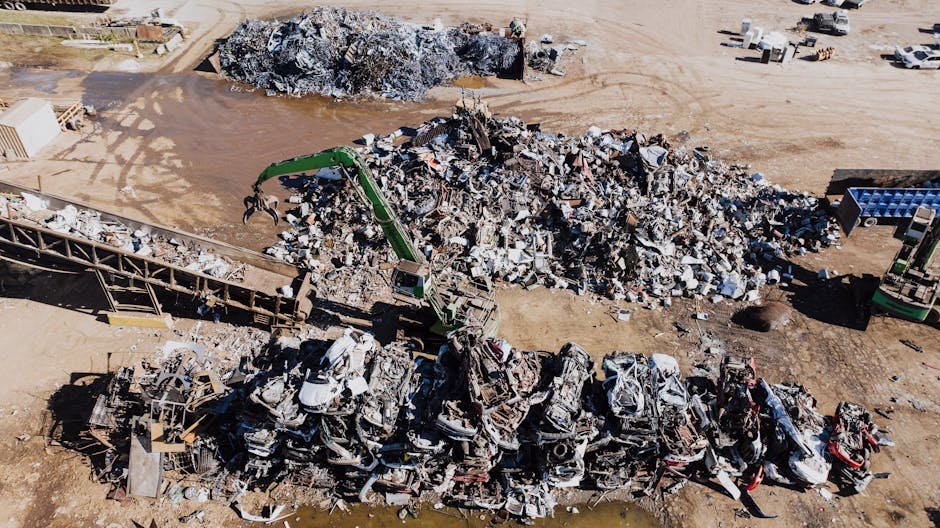
Every reputable recycler follows a standardized workflow: collection, sorting, processing, and resale. First, metal arrives at a Australian scrap metal marketplace or directly at a recycling centre, where it is weighed and logged. Advanced weighing scales and barcode systems ensure accurate transaction records and compliance with state regulations. Next, skilled workers separate ferrous (iron‑based) from non‑ferrous metals using magnetic separators, eddy‑current devices, and manual inspection. The sorted batches are then shredded, baled, or melted, depending on the metal type and market demand. Finally, the processed material is sold to manufacturers who melt it down to create new products, completing the loop.
Drop‑off vs. Pickup Service: Which Is Right for You?
National scrap metal recyclers typically offer two logistics options: drop‑off at a local recycling centre and pickup service directly from your site. Drop‑off is ideal for small volumes, allowing you to control timing and inspect the material before handing it over. Most centres provide on‑site scales, so you can verify weight and receive an immediate quote. Pickup service, on the other hand, is cost‑effective for large or bulky loads, such as demolition debris or industrial scrap. Recyclers schedule a truck, load the material, and handle all paperwork, which reduces labor and safety risks for you. When choosing, consider volume, distance, and the value of your scrap; many recyclers provide a hybrid model that lets you drop off a portion while they collect the rest.
Grades and Classification of Scrap Metal
Accurate grading maximises the price you receive and ensures efficient processing. The most common grades include:
- Ferrous Scrap: Cast iron, steel beams, rebar, and automotive bodies. Usually sold by weight, with higher grades (e.g., clean steel) fetching premium rates.
- Non‑Ferrous Scrap: Copper, aluminium, brass, and zinc. These metals command higher prices per kilogram because of their superior conductivity and lower melting points.
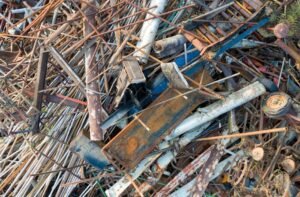
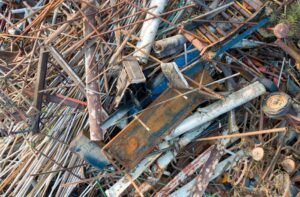
- Mixed Scrap: Unsorted bundles containing both ferrous and non‑ferrous metals. Requires additional sorting, which reduces the final price.
- Specialty Alloys: High‑grade alloys used in aerospace or medical equipment. These are processed separately and often sold to niche manufacturers.
Before you transport material, remove contaminants such as wood, plastic, and hazardous substances. Clean, dry metal improves the recycler’s processing efficiency and can raise your payout. For detailed pricing, consult the latest Scrap Metal Prices guide, which updates weekly based on market fluctuations.
Environmental Impact and Carbon Footprint Reduction
Recycling metal saves up to 95% of the energy required to produce virgin ore, dramatically lowering greenhouse‑gas emissions. For example, recycling one tonne of aluminium saves approximately 14,000 kWh of electricity, equivalent to the annual consumption of a typical Australian household. Moreover, by diverting metal from landfill, recyclers prevent soil and water contamination from heavy metals leaching over time. National scrap metal recyclers report that their collective operations offset millions of tonnes of CO₂ each year, contributing directly to Australia’s Net‑Zero targets.
The environmental benefit extends beyond energy savings. Recycled steel can be re‑melted up to 20 times without degradation, meaning a single scrap stream can serve countless construction projects. This circularity reduces the demand for mining, preserving natural habitats and reducing water usage associated with ore processing. When you choose a recycler that offers both drop‑off and pickup, you also minimise transportation emissions by selecting the most efficient route and load size.
Practical Tips for Maximising Value and Sustainability
Follow these steps to ensure you get the best price while supporting environmental goals:
- Segregate Early: Separate ferrous and non‑ferrous metals at the source. This reduces sorting time at the recycling centre and improves your payout.
- Remove Non‑Metal Contaminants: Strip bolts, plastics, and wood. Clean metal commands higher rates and reduces processing waste.
- Know Current Market Rates: Check the daily Scrap Metal Prices before negotiating.
- Leverage Pickup Services for Large Volumes: Schedule a pickup to avoid multiple trips, saving fuel and labour costs.
- Document Weight Accurately: Use the recycler’s certified scales and keep receipts for tax and compliance purposes.
- Partner with Certified Recyclers: Look for facilities that hold ISO 14001 environmental management certification.
For businesses seeking a local partner, the phrase “Scrap Metal Recycling Near Me” yields a list of accredited recyclers across every state, complete with service options and contact details.
Regional Spotlight: Caboolture Scrap Metal Recyclers in Queensland
Caboolture, QLD, hosts several high‑capacity facilities that exemplify the national model. These recyclers offer both drop‑off bays and scheduled pickups, catering to the region’s construction boom and agricultural sector. By partnering with local councils, they run community collection days that encourage residents to bring household metal waste, further reducing landfill contributions. For a detailed directory, see caboolture scrap metal recyclers caboolture qld. Their commitment to transparent pricing and environmental reporting aligns with the broader goals of national scrap metal recyclers.
Linking to the Broader Network of Scrap Metal Recyclers
Australia’s recycling infrastructure is interconnected. When you sell metal to one centre, the material may travel to another facility for specialized processing. This network is documented on the national directory of scrap metal recyclers, which lists contact information, service capabilities, and compliance certificates. By using this resource, you can compare pickup fees, drop‑off locations, and environmental certifications, ensuring you select the most suitable partner for your needs.
Looking ahead to 2026, the industry anticipates increased automation, AI‑driven sorting, and blockchain‑based traceability. These innovations will further reduce the carbon footprint of metal recycling and provide real‑time transparency for sellers. Stay informed by visiting the Sell Scrap Metal Near Me In 2026 guide, which outlines emerging trends and how they affect pricing.
Conclusion: Why Choosing National Scrap Metal Recyclers Matters
Engaging with national scrap metal recyclers delivers financial, environmental, and regulatory advantages. You turn waste into revenue, lower your carbon footprint, and comply with state waste‑management laws. Whether you opt for a convenient drop‑off or a full‑service pickup, the key is to partner with certified facilities that prioritize efficient processing and transparent pricing. By doing so, you contribute to a resilient circular economy that benefits Australia’s industry and natural environment alike.
For more information on how to get started, explore the official scrap trade website and connect with a local centre today.
Frequently Asked Questions
What types of metal can I bring to a national scrap metal recycler?
You can bring ferrous metals like steel and cast iron, non‑ferrous metals such as copper, aluminium, and brass, as well as specialty alloys. Clean, contaminant‑free material receives the highest price.
How does a pickup service differ from drop‑off?
Pickup service involves the recycler sending a truck to collect large or bulky loads from your location, handling loading and paperwork. Drop‑off requires you to transport the material yourself to a recycling centre.
Will recycling metal really reduce my carbon footprint?
Yes. Recycling metal saves up to 95% of the energy needed to produce new metal, dramatically cutting CO₂ emissions and reducing the need for mining and ore processing.
How can I find the best price for my scrap metal?
Check the latest market rates on the Scrap Metal Prices page, segregate metals by grade, remove contaminants, and use certified scales at the recycling centre for accurate weighing.