
The unprecedented growth in “new south” cities “growth” “scrap metal” generation presents both challenges and opportunities for Australia’s recycling ecosystem. As urbanization accelerates across New South Wales—from Sydney’s infrastructure boom to regional hubs like Newcastle and Wollongong—construction, manufacturing, and demolition activities produce vast quantities of recyclable metals. This comprehensive guide examines scrap metal fundamentals within NSW’s development context, detailing classification systems, recycling mechanisms, environmental advantages, and practical management strategies for this critical resource stream.
The Role of Scrap Metal in New South Wales’ Urban Expansion
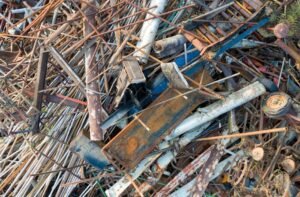
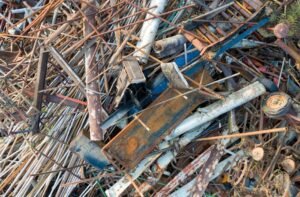
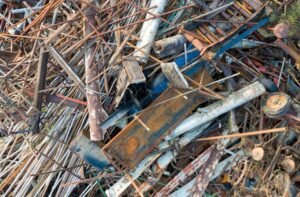
NSW’s population is projected to reach 10.3 million by 2041, driving massive construction and infrastructure projects. The state generates over 20 million tonnes of waste annually, with metals constituting 8-12% of the commercial and industrial stream. Key growth corridors like Western Sydney Aerotropolis and Newcastle’s renewable energy precincts produce distinct scrap profiles:
- Construction Scrap: Structural steel, rebar, copper wiring, and aluminium cladding from building sites
- Manufacturing Residues: CNC machining swarf, press shop skeletons, and stainless-steel offcuts
- End-of-Life Infrastructure: Decommissioned rail tracks, bridges, and utility components
- Consumer Discards: Whitegoods, vehicles, and electronics from household upgrades
This diversification directly correlates with regional industrial activity. For deeper insights into regional patterns, explore our analysis of “new south” “cities” “growth” “scrap metal” dynamics across emerging hubs.
Scrap Metal Grading: Classification Systems and Specifications
Accurate grading determines scrap value and recyclability. Australian recyclers adhere to ISRI (Institute of Scrap Recycling Industries) standards with local adaptations:
Ferrous Metals (Iron/Steel)
- Heavy Melting Steel (HMS 1 & 2): Minimum 1/4-inch thickness, prepared structural sections
- Busheling: Clean factory steel offcuts, no coatings (premium grade)
- Shredded Scrap: Fragmented material from vehicles/appliances (Shred A-C grades)
- Turnings: Machining residues requiring processing to remove oils
Non-Ferrous Metals
- Copper: Bare bright (>99% pure), #1 tubing, #2 mixed (insulation attached)
- Aluminium: Extrusion alloys, cast, sheet, and contaminated mixed
- Stainless Steel: 304 (18/8) and 316 (marine grade) segregation critical
- Lead/Acid Batteries: Automotive vs. industrial classifications
Specialized streams like telecom equipment require specific handling—refer to our Telecom Scrap Metal Selling Guide for sector-specific protocols. Proper classification prevents downgrades and maximizes returns at facilities like Zores Scrap Yard Your Trusted Destination For Scrap Metal.
The Scrap Metal Recycling Workflow: From Collection to Reprocessing
NSW’s recycling infrastructure processes scrap through these key stages:
1. Sourcing and Collection
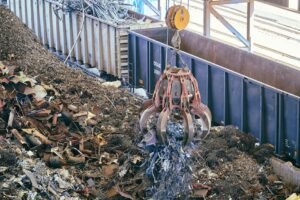
Registered operators collect scrap via skip bins, dedicated transport, and buy-back centers. Major recyclers maintain fleets servicing Sydney, Central Coast, and Illawarra regions, with GPS-tracked logistics minimizing carbon footprint.
2. Sorting and Preparation
Advanced material recovery facilities deploy:
- Electromagnets and eddy currents for ferrous/non-ferrous separation
- Spectrometers for alloy identification
- Manual disassembly for complex items (transformers, motors)
- Shearing and baling for volume reduction
3. Processing and Remelting
Shredded scrap enters electric arc furnaces (EAFs) at steel mills like BlueScope Port Kembla, while non-ferrous metals undergo:
- Rotary furnaces for aluminium
- Electrolytic refining for copper
- Chemical recovery for specialty metals
Modern EAFs consume 90% less water and 70% less energy than virgin production.
4. Manufacturing Reintegration
Recycled metal re-enters supply chains as:
- Billet/ingot for construction
- Rolled sheet for automotive
- Wire rod for electrical applications
For localized collection options, consult our guide to Sell Scrap Metal Near Me In 2026 which details NSW regional facilities.
Environmental Benefits Quantified: NSW’s Resource Conservation
Metal recycling delivers measurable ecological advantages for developing regions:
Energy and Emission Reductions
- Recycling aluminium saves 95% energy vs. primary production (17,000 kWh/tonne conserved)
- Steel recycling cuts CO2 emissions by 58%
- NSW metal recycling prevents 3.2 million tonnes of CO2 annually
Resource Preservation
- Every tonne of recycled steel conserves 1,100kg of iron ore, 630kg of coal, and 55kg of limestone
- Copper recycling extends finite ore reserves—critical for electrification infrastructure
Landfill Diversion
NSW achieves 75% metal recovery from waste streams, avoiding:
- Soil/water contamination from leaching heavy metals
- Permanent resource burial in limited landfill space
Our research portal details how “new south” cities growth scrap metal initiatives drive these outcomes.
Economic Drivers: Scrap Metal’s Role in NSW’s Development
The scrap sector contributes $3.1 billion annually to NSW’s economy through:
- Employment: 4,800+ direct jobs in collection, processing, and trading
- Cost Reduction: Recycled steel costs 40-60% less than virgin material
- Export Revenue: $1.4 billion in ferrous/non-ferrous exports through Port Kembla
- Circular Economy: Supply security for local manufacturers
Urban renewal projects like Sydney Metro generate 22,000+ tonnes of recoverable metal per annum, funding further development when properly managed. Discover economic patterns in our “new south” cities growth scrap metal market report.
Selling Scrap in NSW: Maximizing Value and Compliance
Optimize returns while meeting regulatory requirements:
Preparation Best Practices
- Segregate metals by grade using ISRI standards
- Remove contaminants (plastic, rubber, concrete)
- Drain fluids from automotive components
- Bundle copper wiring into manageable coils
Legal Compliance
- Provide photo ID per NSW Scrap Metal Industry Act
- Maintain transaction records for catalytic converters
- Verify material origins for council clean-up items
Pricing Factors
Values fluctuate based on:
- London Metal Exchange benchmarks
- Contamination levels
- Volume thresholds (truckload vs. trailer quantities)
- Global demand shifts (e.g., renewable energy copper demand)
Platforms like our national trading hub at Scrap Trade offer real-time pricing and streamlined transactions across NSW.
Future Outlook: Sustainable Growth Through Advanced Recycling
NSW’s scrap industry is evolving through:
- Automation: AI-powered sorting robots increasing purity rates
- Decentralization: Micro-recycling hubs in regional growth areas
- Green Steel: Hydrogen-based reduction using scrap feedstock
- Material Tracking: Blockchain systems verifying recycled content
Policy initiatives like NSW’s Waste and Sustainable Materials Strategy 2041 target 80% resource recovery, positioning scrap metal as strategic infrastructure for sustainable urbanization.
Conclusion: Integrating Scrap Management into Urban Development
The interrelationship between “new south” cities “growth” “scrap metal” generation requires coordinated stewardship. By understanding material grades, supporting advanced recycling infrastructure, and participating in circular economy practices, NSW residents and businesses transform waste into resources. This conserves finite materials, reduces environmental impacts, and creates economic value—essential pillars for sustainable development. As expansion continues, responsible scrap management remains fundamental to building resilient communities. For comprehensive recycling solutions across Australia, partner with Scrap Trade’s nationwide network.
Browse live scrap metal listings at scrap.trade.
Australian buyers and sellers – visit scraptrade.com.au.
Related: Zores Scrap Yard Your Trusted Destination For Scrap Metal
Related: Telecom Scrap Metal Selling Guide
Related: Sell Scrap Metal Near Me In 2026
Related: “new south” “cities” “growth” “scrap metal”
Related: “new south” cities growth scrap metal
Frequently Asked Questions
What types of scrap metal are most common in growing NSW cities?
Construction steel, copper wiring, aluminium cladding, and end-of-life infrastructure dominate scrap streams in expanding NSW regions. Major projects generate structural steel, rebar, and mechanical systems, while household upgrades contribute appliances and electronics. Industrial zones produce machining swarf and manufacturing offcuts.
How does scrap metal recycling reduce environmental impact?
Recycling metals cuts energy use by 60-95% compared to virgin production, dramatically lowering CO2 emissions. It conserves natural resources—each tonne of recycled steel saves 1,100kg of iron ore. Critically, it diverts toxic materials from landfills, preventing soil and groundwater contamination across NSW’s developing regions.
Where can I sell scrap metal in New South Wales?
NSW hosts numerous licensed buyers: dedicated scrap yards like Zores in Western Sydney, council waste facilities with buy-back sections, and specialized processors for electronics or vehicles. Use platforms like Scrap Trade to compare real-time prices and locate certified operators meeting NSW’s regulatory standards for transparent transactions.
How is scrap metal priced in NSW?
Pricing follows global commodity markets (LME) adjusted for grade purity, volume, and preparation. Clean, segregated metals command premiums—bare bright copper exceeds insulated wire by 40%. Location matters; regional transport costs may affect rates. Current pricing benchmarks are available through Scrap Trade’s market intelligence portal.