
The phrase “new south” growth “scrap metal” captures a pivotal shift in Australia’s recycling and metal trading landscape. As urban development, construction booms, and industrial modernization accelerate across southern regions—particularly in cities like Melbourne, Geelong, and Adelaide—scrap metal volumes are surging. This growth is not only economic but also environmental, as recycling infrastructure scales to meet demand, reduce landfill use, and support circular economies. The “new south” growth “scrap metal” movement is underpinned by policy support, technological advancements, and expanding export markets, positioning southern Australia as a leader in sustainable metal recovery.
Understanding the “new south” growth “scrap metal” Phenomenon
The term “new south” refers to the re-emergence of southern Australian states—Victoria, South Australia, and southern New South Wales—as industrial and economic powerhouses, driven by infrastructure investment, population growth, and energy transition projects. Within this context, “new south” growth “scrap metal” signifies the exponential rise in scrap metal generation and recycling activity across these regions. Unlike traditional metal hubs centered on mining and primary production, the “new south” focus is on urban mining, end-of-life materials recovery, and closed-loop manufacturing.
This growth is fueled by several factors: decommissioning of aging infrastructure, increased construction and demolition activity, electrification of transport (leading to more end-of-life EVs and charging equipment), and federal and state incentives for circular economies. For example, Victoria’s Recycling and Waste Reduction Act 2020 has mandated higher recycling rates and investment in sorting technologies, directly boosting scrap metal recovery. Similarly, South Australia’s Zero Waste SA program has led to a 30% increase in ferrous scrap collection over the past five years.
The “new south” growth “scrap metal” trend is also reshaping logistics. Recyclers are establishing regional hubs near transport corridors to streamline collection and processing. These hubs integrate advanced sorting systems, including eddy current separators and AI-powered optical sorting, to maximize yield and purity. As a result, southern Australia is becoming a model for scalable, high-efficiency scrap metal recycling—an evolution documented in detail at “new south” “growth” “scrap metal”.
Key Grades of Scrap Metal in the Australian Market
Scrap metal is categorized into grades based on composition, purity, and usability. Understanding these grades is essential for accurate pricing, compliance, and efficient recycling. In the context of “new south” growth “scrap metal”, the diversity of incoming materials has increased, requiring more precise classification.
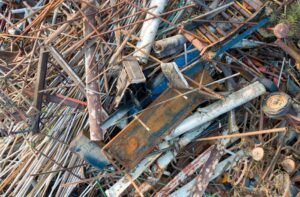
Ferrous Scrap: These are iron-based metals, primarily steel and cast iron. They are magnetic and make up the bulk of scrap volume in construction and manufacturing. Key grades include:
- Heavy Melting Steel (HMS) 1: Clean, thick sections over 1/4 inch, no contamination. Ideal for electric arc furnace (EAF) steelmaking.
- HMS 2: Includes smaller pieces and moderate contamination (e.g., bolted joints). Still widely accepted but priced lower than HMS 1.
- Shredded Scrap: Processed through scrap shredders, used in EAFs. Contaminants like plastics must be minimized.
- Turnings and Borings: Fine metal chips from machining. Must be oil-free to avoid combustion risks.
Non-Ferrous Scrap: More valuable due to higher energy savings in reprocessing. Key grades include:
- Copper #1: Clean, unalloyed copper wire or tubing. No tarnish or insulation. Highly sought after.
- Copper #2: May include slightly tarnished or soldered copper. Slightly lower value.
- Aluminum Clean Extrusions: From windows, frames, and structural components. High purity commands premium pricing.
- Aluminum Mixed: Includes contaminated or mixed alloys. Requires sorting before recycling.
- Stainless Steel: Graded by alloy content (e.g., 304, 316). Must be separated by grade to maintain value.
- Lead and Zinc: Recovered from batteries and roofing. Require careful handling due to toxicity.
Specialty grades such as telecom scrap—including copper cables, circuit boards, and network hardware—are growing in volume due to 5G rollouts and legacy system decommissioning. These require careful handling and compliance with data security laws. For detailed guidance, see the Telecom Scrap Metal Selling Guide.
How Scrap Metal Recycling Works: From Collection to Reuse
The recycling process transforms discarded metal into reusable raw material through a series of engineered stages. In the “new south” growth “scrap metal” ecosystem, this process is becoming increasingly automated and traceable.
1. Collection and Transportation: Scrap is gathered from construction sites, manufacturing plants, automotive yards, and municipal drop-off points. Regional collection networks in Victoria and South Australia now use GPS-tracked trucks and digital manifests to ensure chain-of-custody compliance.
2. Sorting and Segregation: At recycling facilities, materials are sorted using a combination of methods:
- Magnetic separators for ferrous metals.
- Eddy current separators for non-ferrous metals like aluminum.
- Optical sorters with AI to identify alloy types.
- Manual inspection for high-value or hazardous materials.
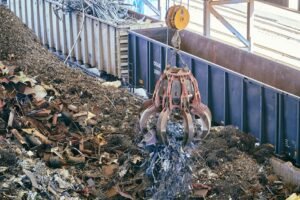
3. Processing: Metals are shredded, sheared, or baled to reduce volume and prepare for smelting. Ferrous scrap is often briquetted to improve furnace efficiency. Non-ferrous metals may undergo decoating or wire chopping.
4. Decontamination: Oils, paints, and plastics are removed. For example, auto shredder residue (ASR) is processed to recover residual metals and safely dispose of non-recyclables.
5. Melting and Refining: Scrap is fed into furnaces—electric arc furnaces for steel, reverberatory or rotary furnaces for aluminum. Impurities are removed, and alloys are adjusted to meet specifications.
6. Casting and Distribution: Molten metal is cast into ingots, billets, or slabs for shipment to manufacturers. Recycled steel may go into new construction beams, while aluminum returns to automotive or packaging industries.
Traceability is increasingly critical, especially for export-grade material. Platforms like Scrap.Trade provide digital documentation and quality certification to streamline transactions. For exporters, ensuring compliance with international standards is vital—learn more at Secure Scrap Metal Export Transactions.
Environmental and Economic Benefits of Scrap Metal Recycling
Recycling scrap metal delivers profound environmental advantages, making it a cornerstone of Australia’s net-zero strategy. The “new south” growth “scrap metal” trend amplifies these benefits through scale and innovation.
Energy Savings: Recycling aluminum saves up to 95% of the energy required for primary production. Steel recycling saves 60–75%. In Victoria alone, recycled steel production avoids over 4 million tonnes of CO₂ annually—equivalent to taking 1 million cars off the road.
Resource Conservation: Every tonne of recycled steel preserves 1.1 tonnes of iron ore, 0.6 tonnes of coal, and 0.5 tonnes of limestone. With global mining pressures increasing, urban mining via scrap recovery reduces ecological degradation.
Landfill Diversion: Metals are non-biodegradable and can leach toxins. Recycling keeps over 70% of Australia’s end-of-life metal out of landfills. South Australia leads with a 92% metal recycling rate, supported by container deposit schemes and industrial partnerships.
Economic Value: The scrap metal sector contributes over $3.5 billion annually to Australia’s GDP. The “new south” growth “scrap metal” surge has created thousands of jobs in collection, processing, and logistics. Regional hubs in Geelong and Whyalla are reinventing former industrial zones as green manufacturing centers.
Moreover, recycled metals are price-stable compared to volatile primary commodity markets. This stability supports long-term contracts and investment in green infrastructure, such as renewable energy installations and electric vehicle manufacturing.
“new south” Cities Leading the “scrap metal” Growth Movement
Urban centers in southern Australia are at the forefront of the “new south” growth “scrap metal” transformation. Each city leverages unique advantages—infrastructure, policy, and industry clusters—to drive recycling innovation.
Melbourne, Victoria: As Australia’s second-largest city, Melbourne generates over 1.2 million tonnes of construction and demolition waste annually, much of it metal-rich. The city’s 2025 Resource Recovery Strategy mandates 80% recycling for commercial projects. Recyclers like SKM Recycling and APR have invested in AI-powered sorting lines, improving purity and throughput. The Port of Melbourne facilitates export logistics, linking local recyclers to Asian steel mills.
Adelaide, South Australia: Adelaide’s compact size and strong public policy make it a recycling leader. The city’s Zero Waste SA program funds scrap metal drop-off centers and public education. Whyalla, a regional extension, hosts GFG Alliance’s LIBERTY Primary Steel, which runs on 100% recycled scrap using renewable energy—a world-first model.
Geelong, Victoria: Once a manufacturing decline zone, Geelong is reborn as a circular economy hub. The state government’s $50 million Geelong Manufacturing Council supports scrap-to-product initiatives. Local recyclers partner with Deakin University on material science research to improve alloy recovery.
Canberra, ACT: Though smaller, Canberra’s strict green building codes and federal procurement policies drive high-grade scrap recovery. The city’s data center decommissioning projects generate significant telecom scrap, which can be responsibly sold using the Telecom Scrap Metal Selling Guide.
For businesses and individuals, accessing local recycling services is easier than ever. Use the Sell Scrap Metal Near Me In 2026 tool to find certified buyers and maximize returns.
Best Practices for Selling and Trading Scrap Metal in 2026
To capitalize on the “new south” growth “scrap metal” trend, sellers must adopt best practices for preparation, pricing, and compliance.
- Sort by Grade: Separate ferrous and non-ferrous metals. Remove contaminants like plastic, rubber, or concrete. Clean copper fetches up to 20% more than mixed wire.
- Know Market Prices: Monitor the Australian Recyclers Association (ARA) price index. Non-ferrous metals like copper and aluminum fluctuate with global LME rates.
- Use Certified Buyers: Only sell to licensed recyclers who comply with EPA regulations. Verify their accreditation through ScrapTrade Australia, the national registry of ethical metal traders.
- Document Transactions: Maintain invoices and proof of sale. This is crucial for businesses claiming tax deductions and for preventing metal theft.
- Leverage Digital Platforms: Use online marketplaces to compare offers and schedule pickups. The Sell Scrap Metal Near Me In 2026 guide provides step-by-step instructions for maximizing returns.
- Consider Export Options: High-purity scrap often fetches better prices overseas. Ensure compliance with export regulations, including ISRI standards and customs documentation. Learn how at Secure Scrap Metal Export Transactions.
Industrial generators should conduct regular waste audits to identify high-value scrap streams. For telecom and IT equipment, follow data destruction protocols before recycling. The Telecom Scrap Metal Selling Guide outlines security-compliant disposal methods.
Future Outlook: Innovation and Sustainability in Scrap Metal Recycling
The future of the “new south” growth “scrap metal” sector lies in innovation, policy alignment, and global integration. Key trends include:
- AI and Robotics: Advanced sorting systems using machine learning will increase recovery rates and reduce contamination. Pilot programs in Melbourne are testing robotic arms that identify and separate alloy types with 98% accuracy.
- Blockchain for Traceability: Digital ledgers will track scrap from source to smelter, ensuring ethical sourcing and compliance with ESG standards. This is especially important for export markets in Europe and Japan.
- Urban Mining Hubs: Cities will develop integrated facilities that combine demolition, sorting, and remanufacturing. The proposed Melbourne Circular Park aims to process 500,000 tonnes of C&D waste annually, with 95% metal recovery.
- Green Steel Expansion: With LIBERTY Steel’s success in Whyalla, more EAF-based plants are expected. These run on renewable energy and 100% scrap, reducing emissions by up to 80% compared to blast furnaces.
- Policy Incentives: Federal funding under the National Waste Policy Action Plan will support R&D in material recovery. States are introducing extended producer responsibility (EPR) schemes for electronics and vehicles.
Consumers and businesses alike will play a role. Public awareness campaigns, school programs, and corporate sustainability goals will drive higher participation. The data and insights from “new south” cities “growth” “scrap metal” highlight how urban policy shapes recycling outcomes.
Conclusion: Embracing the “new south” Growth in Scrap Metal
The “new south” growth “scrap metal” movement is more than a regional trend—it’s a blueprint for a sustainable, resilient economy. As southern Australia’s cities expand and modernize, they are turning waste into wealth through advanced recycling, smart policy, and market innovation. From grade classification to environmental impact, every aspect of scrap metal recycling is being optimized for the 21st century.
Stakeholders—from homeowners with old appliances to multinational manufacturers—can contribute by recycling responsibly, using verified platforms, and staying informed. The rise of digital tools, export opportunities, and green steel production ensures that scrap metal remains a high-value, low-impact resource.
To dive deeper into regional dynamics, explore “new south” “growth” “scrap metal” and “new south” cities “growth” “scrap metal”. Whether you’re selling scrap, investing in recycling tech, or shaping policy, the future is circular—and southern Australia is leading the way.
Frequently Asked Questions
What does “new south” growth “scrap metal” mean?
It refers to the rapid expansion of scrap metal recycling and trading in southern Australian states, driven by urban development, infrastructure projects, and sustainability policies. This growth is transforming regional economies and environmental outcomes.
How can I get the best price for my scrap metal?
Sort metals by grade, remove contaminants, and sell to licensed buyers. Use market data and digital platforms to compare offers. High-purity non-ferrous metals like copper and aluminum typically fetch the highest returns.
Is recycling scrap metal environmentally beneficial?
Yes, recycling scrap metal saves significant energy, reduces greenhouse gas emissions, conserves natural resources, and diverts waste from landfills. For example, recycling steel saves up to 75% of the energy needed for primary production.
Where can I sell scrap metal in southern Australia?
Use the Sell Scrap Metal Near Me In 2026 tool to find certified recyclers near you. Always verify buyer credentials and maintain transaction records for compliance and security.