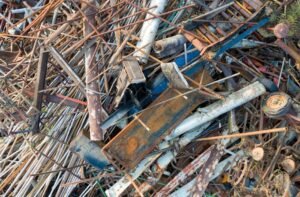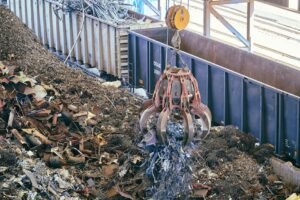

The “new south” “growth” “scrap metal” industry is a critical component of Australia’s sustainable development strategy. As urban centers like Sydney, Melbourne, and regional hubs expand, demand for efficient scrap metal recycling has surged. This guide provides an in-depth analysis of scrap metal grades, the recycling process, environmental impact, and how businesses and individuals can leverage this growing market. With Australia’s commitment to net-zero emissions by 2050, understanding this sector is vital for stakeholders in the “new south” “growth” “scrap metal” landscape.
The Evolution of Scrap Metal Recycling in the “New South”
The “new south” “growth” “scrap metal” sector has evolved from a rudimentary salvage activity to a sophisticated industry driven by technology and environmental awareness. In regions like South Australia, New South Wales, and Victoria, infrastructure projects and manufacturing hubs generate vast quantities of scrap metal. According to the Australian Recycling Industry Council, the country recycled over 9 million tonnes of ferrous and non-ferrous metals in 2023 alone. This growth is fueled by government policies, such as the National Waste Policy Action Plan, and private-sector innovation.
Understanding Grades of Scrap Metal
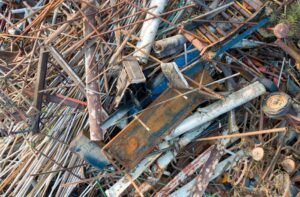
Scrap metal is categorized into grades based on material composition, purity, and market demand. Here’s a breakdown of the primary grades relevant to the “new south” “growth” “scrap metal” industry:
- Ferrous Metals: Includes iron and steel, commonly found in construction debris and appliances. Known for its magnetic properties and high demand in steel mills.
- Non-Ferrous Metals: Encompasses copper, aluminium, brass, and lead. Non-magnetic and prized for their conductivity and corrosion resistance.
- Stainless Steel: A subset of ferrous metals with added chromium. Often used in food processing and medical equipment due to its durability.
- Aluminium Cans: A highly recyclable grade, with 75% of all aluminium ever produced still in use today.
- Electronic Scrap: Includes circuit boards and cables, rich in precious metals like gold and silver. Requires specialized processing.
For businesses in the “new south” “growth” “scrap metal” sector, accurate grading ensures optimal pricing. The Telecom Scrap Metal Selling Guide offers insights into high-value grades like copper used in telecommunications infrastructure.
How the Scrap Metal Recycling Process Works
Recycling scrap metal involves a multi-step process that transforms waste into reusable materials. Here’s a detailed overview:
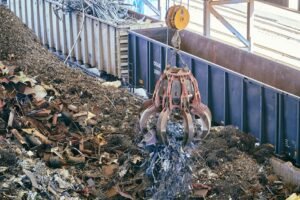
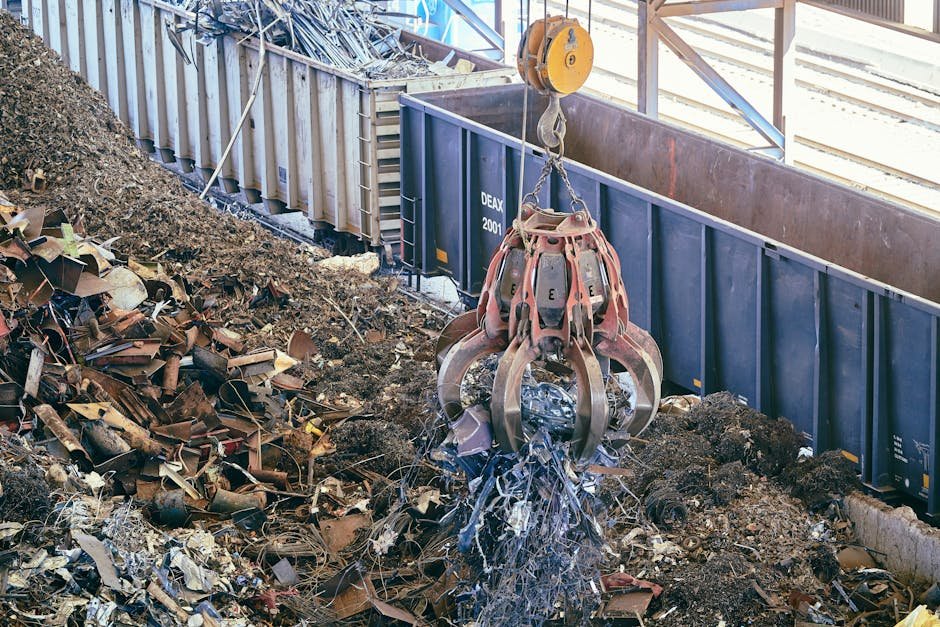
- Collection: Scrap is gathered from construction sites, manufacturing facilities, and households. In the “new south” regions, bulk collection services are often partnered with local councils.
- Sorting: Advanced technologies like X-ray fluorescence (XRF) scanners and eddy current separators classify metals by type and grade.
- Shredding/Processing: Metals are broken down into smaller pieces to remove contaminants and prepare them for melting.
- Smelting: Purity is refined through high-temperature melting, creating raw metal for new products.
- Reuse: Recycled metals are integrated into construction, automotive, and electronics manufacturing, closing the production loop.
For businesses in the “new south” “growth” “scrap metal” sector, partnering with certified recyclers is essential. The Secure Scrap Metal Export Transactions guide highlights how international trade complies with Australian environmental standards.
Environmental Benefits of Scrap Metal Recycling
Recycling scrap metal significantly reduces environmental impact compared to mining virgin ore. Key benefits include:
- Resource Conservation: Recycling one tonne of steel saves 2,500 pounds of iron ore, 1,400 pounds of coal, and 120 pounds of limestone.
- Energy Savings: Producing aluminium from recycled scrap uses 95% less energy than from bauxite mining.
- Pollution Reduction: Recycling reduces greenhouse gas emissions by 86% compared to primary production.
- Landfill Diversion: The “new south” “growth” “scrap metal” industry diverts millions of tonnes of waste from landfills annually.
Communities in the “new south” regions can further leverage these benefits by adopting circular economy principles. Learn more about local initiatives at scraptrade.com.au.
Economic Opportunities in the “New South” Growth Regions
The “new south” “growth” “scrap metal” industry is a cornerstone of regional economic development. For example, Newcastle in New South Wales has become a hub for scrap metal processing, with over 300 jobs created in 2025. Key opportunities include:
- Small Business Growth: Startups specializing in e-waste recycling or metal recovery can thrive with government grants.
- Export Markets: Australia’s scrap metal exports to Asia-Pacific nations have grown by 15% annually since 2020.
- Innovation Hubs: Universities in the “new south” cities are developing AI-driven sorting technologies to boost efficiency.
To capitalize on these opportunities, visit Sell Scrap Metal Near Me In 2026 for local market insights and pricing trends.
Practical Tips for Selling Scrap Metal in 2026
Maximizing returns in the “new south” “growth” “scrap metal” market requires strategic planning. Here’s how:
- Know Your Grades: Use tools like the Telecom Scrap Metal Selling Guide to identify high-value materials.
- Track Market Prices: Websites like scrap.trade provide real-time pricing for ferrous and non-ferrous metals.
- Prepare Materials: Clean scrap to remove contaminants like oil or chemicals, which can lower your payout.
- Choose Certified Recyclers: Verify that buyers are licensed to avoid environmental violations.
- Export Safely: Businesses exporting scrap must comply with the Secure Scrap Metal Export Transactions guidelines.
The Future of Scrap Metal Recycling in the “New South”
By 2030, the “new south” “growth” “scrap metal” industry is projected to exceed $12 billion in revenue. Emerging trends include:
- Blockchain Tracking: Transparent supply chains ensure ethical sourcing and recycling.
- Robotics in Sorting: AI-powered robots improve grading accuracy by 40%.
- Green Steel Production: Using 100% recycled scrap to create emissions-free steel.
Communities and businesses in the “new south” cities growth scrap metal regions are at the forefront of this transformation. For case studies, see “new south” cities growth scrap metal.
Conclusion: Embracing the “New South” Scrap Metal Revolution
The “new south” “growth” “scrap metal” industry is a testament to Australia’s commitment to sustainability and economic resilience. By understanding metal grades, recycling processes, and environmental benefits, stakeholders can contribute to a circular economy. Whether you’re a homeowner cleaning out a shed or a business owner managing a construction site, your role in this industry is vital. For more insights, explore “new south” cities growth “scrap metal” and join the movement shaping Australia’s future.
Frequently Asked Questions
What are the most valuable grades of scrap metal in the “new south” region?
Copper and aluminium are the most valuable due to their high conductivity and recyclability. Check Telecom Scrap Metal Selling Guide for telecom-grade copper pricing.
How can I identify different grades of scrap metal?
Use a metal detector with XRF technology or consult a certified recycler. Ferrous metals are magnetic, while non-ferrous like copper and aluminium are not.
What environmental benefits do the “new south” “growth” “scrap metal” initiatives provide?
These initiatives reduce mining waste, conserve natural resources, and cut carbon emissions by up to 86% compared to producing new metals.
How do I start selling scrap metal in 2026?
Research local regulations, use Sell Scrap Metal Near Me In 2026 to find buyers, and ensure your materials are clean and sorted.