
Understanding the intricacies of noah scrap and the broader Australian metal recycling market is essential for businesses, tradespeople, and industrial entities looking to optimize their waste management strategies. Whether you are dealing with industrial offcuts, demolition waste, or end-of-life machinery, the process of recycling metal is a cornerstone of the circular economy. By engaging with reputable entities like the leading Australian scrap metal trading platform, you ensure that your materials are handled according to the highest environmental and safety standards. If you are ready to monetize your waste, you can Sell Scrap through our streamlined digital portal to get competitive market rates.
The Core Principles of the Scrap Metal Industry
To truly grasp the value of noah scrap, one must first understand the foundational concept of the industry. At its heart, the industry is about resource recovery. Metals are infinitely recyclable, meaning they can be melted down and reformed without losing their structural integrity. This is a stark contrast to plastic or paper, which degrade in quality over time. When we look at What Is Scrap Trade, we are looking at a global supply chain that balances industrial demand with environmental stewardship. In Australia, the sector is highly regulated to ensure that hazardous materials are not introduced into the environment during the processing phase. Every piece of Scrap collected is a potential building block for future infrastructure, from skyscrapers to automotive components.
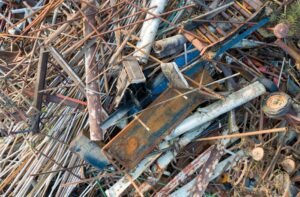
The process begins with collection and logistics. Whether it is a small collection from a residential site or a massive industrial clearance, the goal is to aggregate materials by grade. This is where the expertise of a professional recycler becomes paramount. By separating ferrous metals—those containing iron, like steel and iron—from non-ferrous metals, such as copper, aluminium, and brass, processors can ensure the purity of the final product. High purity leads to higher efficiency in the smelting process, which in turn reduces the energy footprint of the entire operation. For those specifically dealing with specialized materials, identifying high-value items like scrap carbide is a critical skill that can significantly increase the return on investment for any recycling project.
Understanding Metal Grades and Classification
The classification of metal is a rigorous science. Dealers use a combination of visual inspection, magnetic testing, and sometimes advanced chemical analysis to determine the grade of a load. In the context of noah scrap, we emphasize the importance of clean, sorted material. Contamination is the enemy of profit in the recycling world. For example, a load of aluminium that contains plastic, rubber, or steel fasteners is considered ‘dirty’ and will command a lower price than ‘clean’ aluminium. Understanding these nuances is what separates a novice from an expert in the Australian metal recycling market.
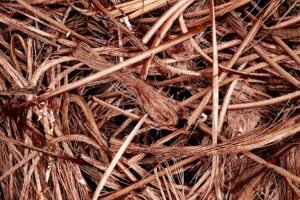
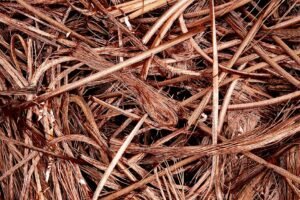
Ferrous metals are generally easier to identify; if a magnet sticks to it, it is ferrous. However, the grade matters. Heavy melting steel (HMS) is a common grade, but it must meet specific size and thickness requirements to be accepted by steel mills. On the other hand, non-ferrous metals are where the real value often lies. Copper, for instance, is graded based on its oxidation levels and insulation. ‘Bright and Shiny’ copper—which is clean, unalloyed, and free of insulation—is the gold standard. When you are looking for specific regional services, such as scrap eastbrook, you are essentially tapping into a localized node of this global commodity network that values precise sorting and prompt delivery.
The Environmental Imperative: Why We Recycle
The environmental case for metal recycling is overwhelming. Extracting virgin ore is an energy-intensive process that involves mining, crushing, and smelting, all of which produce significant greenhouse gas emissions and disrupt local ecosystems. By recycling, we bypass the mining stage entirely. For instance, recycling aluminium saves approximately 95% of the energy required to produce the same amount of metal from bauxite ore. This is the primary reason why the industry is so heavily incentivized by government and environmental bodies.
Furthermore, recycling reduces the amount of waste that ends up in landfills. Landfills are not just eyesores; they are sources of soil and water contamination as metals leach chemicals over time. A robust recycling infrastructure acts as a filter for the economy, pulling valuable materials out of the waste stream and putting them back into production. This is the definition of a circular economy. When you choose to recycle, you are not just making a financial decision; you are contributing to a reduction in the total carbon footprint of Australia’s manufacturing sector.
How the Recycling Process Works: From Site to Smelter
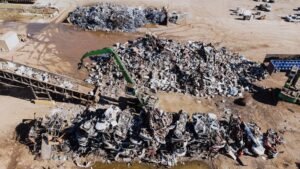
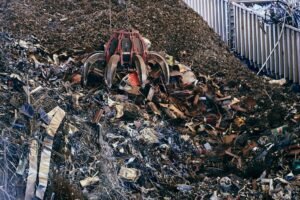
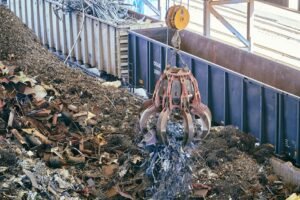
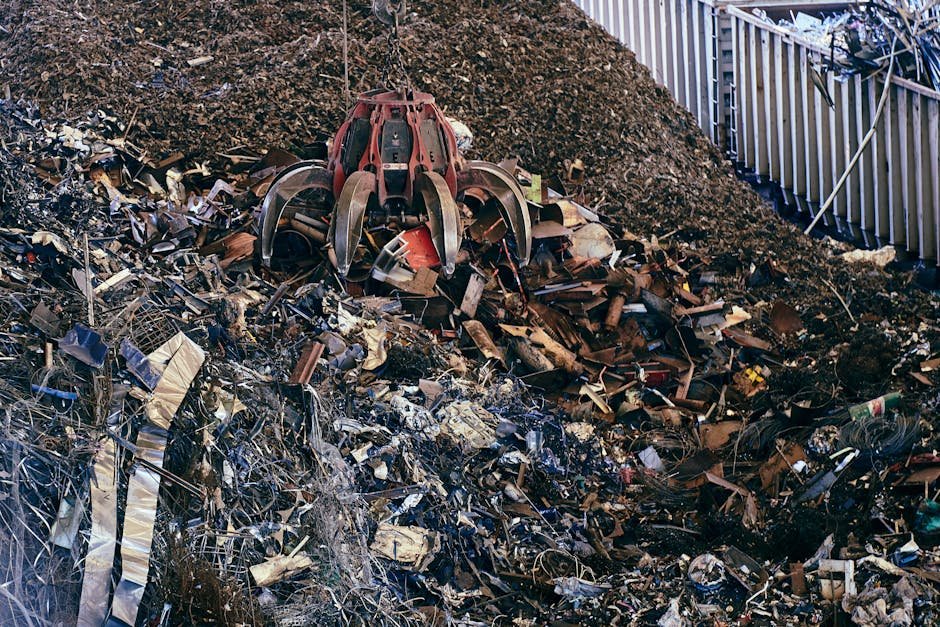
The journey of a piece of scrap metal is a fascinating logistical feat. It starts with the identification and collection phase. Once collected, the material is transported to a processing facility. Here, the material is weighed and inspected. Large-scale shredders, shears, and balers are then used to reduce the volume of the scrap, making it easier to transport and process in the furnace. Shredding is particularly effective because it allows for the magnetic separation of ferrous metals from non-ferrous materials using high-powered magnets and eddy current separators.
After processing, the material is sorted into bales or heaps of uniform composition. These are then shipped to foundries and mills. In the furnace, the metal is melted down, impurities are skimmed off, and the molten metal is cast into ingots or billets. These billets are then sold back to manufacturers to be turned into new products. This cycle can repeat indefinitely. The efficiency of this process is what keeps the supply chain moving and ensures that the price of raw materials remains relatively stable despite global economic fluctuations.
Practical Tips for Maximizing Your Scrap Value
If you are looking to get the best possible return on your scrap, preparation is key. First, always sort your materials before you arrive at the yard. Mixing copper with steel is a guaranteed way to lower your payout. Keep your non-ferrous metals separate from your ferrous metals. Second, clean your scrap. Remove as much non-metal debris as possible. If you are recycling copper wire, stripping the plastic insulation off can significantly increase the value of the copper, though you must weigh the time spent stripping against the potential price increase.
Third, keep an eye on market trends. Metal prices fluctuate daily based on global demand, currency exchange rates, and geopolitical events. While you cannot control the market, you can choose when to sell. If you have the storage space, holding onto your scrap until prices peak can be a smart strategy. Finally, build a relationship with your local scrap dealer. Consistent, high-quality loads make you a preferred supplier, which can sometimes lead to better pricing or more flexible service terms.
The Future of the Scrap Industry in Australia
The future of the scrap industry is increasingly digital and automated. As we look ahead, the integration of AI and robotics in sorting facilities will likely lead to even higher purity levels and lower processing costs. Furthermore, the push for ‘green steel’—steel produced using hydrogen instead of coal—will change the demand profile for scrap metal, as scrap is a key component in low-carbon steel production. Australia, with its vast mineral resources and growing commitment to sustainability, is perfectly positioned to be a leader in this transition.
We are also seeing a shift toward better traceability. Clients want to know where their materials are going and how they are being recycled. This transparency is becoming a competitive advantage. Platforms that provide clear, data-driven reporting on the environmental impact of recycling are gaining traction. By participating in this ecosystem, you are not just a seller; you are a stakeholder in the future of the planet’s resource management.
Safety and Compliance in Metal Recycling
Safety is the non-negotiable pillar of the scrap metal industry. Handling heavy, sharp, and potentially hazardous materials requires rigorous adherence to safety protocols. This includes the use of personal protective equipment (PPE), proper heavy machinery operation, and strict environmental compliance regarding the storage of batteries, oils, or chemicals that might be attached to scrap items. Never attempt to process pressurized cylinders or sealed containers, as these pose a significant explosion risk.
Compliance also extends to legal requirements. In many jurisdictions, scrap dealers must be licensed and must record the details of sellers to prevent the trade of stolen goods. This is a vital part of the industry’s integrity. When you deal with professional, licensed operators, you are helping to maintain the legitimacy of the entire market. Always ensure that your chosen partner is transparent about their compliance and safety practices. It is a sign of a professional operation that respects both its workers and the community it serves.
Conclusion: Taking Action
The world of scrap metal is far more complex and vital than it appears on the surface. From the initial collection to the final smelting process, every step is designed to conserve resources and drive economic efficiency. Whether you are a professional contractor or a homeowner clearing out a garage, your contribution to the recycling loop matters. By understanding the grades, the processes, and the environmental benefits, you can make informed decisions that benefit both your wallet and the planet. Start your journey today by exploring the resources available at our platform and join the thousands of Australians who are turning their waste into a valuable resource.
Frequently Asked Questions
What is the most valuable type of scrap metal to recycle?
Non-ferrous metals like copper, brass, and aluminium are generally the most valuable. Copper, in particular, commands the highest prices due to its high demand in electrical and plumbing industries.
Does it matter if my scrap metal is dirty or mixed?
Yes, it significantly impacts the value. Clean, sorted metal is worth much more because it requires less labor and energy to process at the foundry.
How do I know if my scrap is ferrous or non-ferrous?
The easiest way is to use a magnet. If the magnet sticks to the metal, it is ferrous (like steel or iron). If the magnet does not stick, it is likely non-ferrous (like aluminium, copper, or stainless steel).
Why are scrap metal prices always changing?
Scrap metal is a global commodity, and its price is influenced by supply and demand, global manufacturing output, currency exchange rates, and even energy costs for smelting.