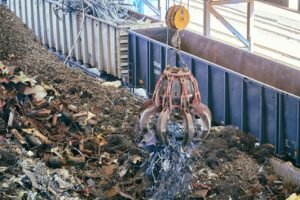
When searching for a reputable non ferrous scrap buyer Minto, it is essential to partner with a facility that understands the nuances of the Australian metal market. Minto, located in the heart of Sydney’s industrial corridor, serves as a critical hub for businesses and individuals looking to offload high-value materials like copper, aluminium, and brass. Whether you are a trade contractor, a demolition expert, or a manufacturing facility, navigating the complexities of scrap metal trading requires a deep understanding of market fluctuations and material grading.
Understanding Non-Ferrous Metals and Why They Matter
Non-ferrous metals—which include copper, aluminium, lead, zinc, nickel, and precious metals—are highly prized in the recycling industry because they do not contain iron and, therefore, do not rust. Because these materials can be recycled infinitely without losing their chemical properties, they are the backbone of the circular economy. If you are looking for a non-ferrous scrap buyer, you are essentially participating in a global supply chain that reduces the need for destructive mining practices.
For those interested in the broader industry, Non Ferrous Scrap A Complete Guide For Traders And Recyclers provides an excellent deep dive into the technical specifications and market dynamics that govern these materials. Unlike ferrous metals, which are often sold in bulk by weight, non-ferrous metals are highly sensitive to purity levels. A single piece of contamination—such as plastic insulation on copper wiring or steel bolts in an aluminium casting—can downgrade your entire batch, significantly impacting your bottom line.
Where to Find a Trusted Non Ferrous Scrap Buyer Minto
Finding a non ferrous scrap buyer Minto that offers fair market value requires more than a simple Google search. You need a partner that provides transparency in their weighing process and adheres to strict environmental standards. When evaluating potential buyers, look for facilities that utilize calibrated, certified scales and provide a clear, itemized receipt for every transaction.
If your operations extend beyond the Minto area, you might also be interested in a non ferrous scrap buyer ingleburn to cover your logistics needs in neighbouring industrial zones. Reliable buyers will often offer collection services for large commercial volumes, which can save you significant time and transport costs. Always verify that the buyer is licensed and follows EPA guidelines, as improper disposal of certain metals can lead to legal complications. For those managing heavy-duty industrial waste, you may also require a Heavy Steel Scrap Buyer Sydney Melbourne Brisbane Perth to handle your ferrous waste streams alongside your non-ferrous collections.
The Process: From Collection to Circularity
The recycling process is a sophisticated operation that transforms scrap into raw material for new manufacturing. When you bring your materials to a non ferrous scrap buyer Minto, the process typically follows a standard sequence: 1. Inspection and Grading, 2. Weighing, 3. Sorting and Cleaning, and 4. Processing (shredding or melting).
For global traders looking to understand the scale of this industry, the Shipbreaking Scrap Sales Global Buyer Guide highlights how large-scale recycling projects operate on an international level. At the local level, the goal remains the same: to isolate pure metal streams. For instance, copper is often stripped of its plastic coating, while aluminium is sorted by alloy type (e.g., 6061 vs. 7075). By understanding these grades, you can better prepare your scrap before arriving at the yard, ensuring you get the highest possible price for your materials.
For more information on connecting with local industry leaders, visit our Australian scrap trading portal to view current listings and industry news. For international inquiries, you can always check the main global scrap trading platform to stay updated on commodity trends.
Maximizing Your Returns: Practical Tips for Sellers
To ensure you receive the best value when you decide to purchase scrap or sell it, preparation is key. The following tips will help you optimize your scrap loads:
- Sort by Grade: Never mix copper with brass or aluminium. Keep different alloys separated to avoid being paid the “mixed scrap” rate, which is always the lowest.
- Clean Your Scrap: Remove non-metallic attachments like plastic, rubber, wood, or glass. The cleaner the metal, the higher the grade.
- Monitor Market Prices: Non-ferrous prices fluctuate daily based on the London Metal Exchange (LME). Check prices before you head to the yard.
- Volume Matters: If you are a business, negotiate a tiered pricing structure based on the volume you supply. Regular suppliers often receive better rates.
By treating your scrap as a high-value commodity rather than waste, you shift your business model from disposal-focused to profit-focused. Trusted dealers appreciate clients who bring well-sorted, clean loads, as it reduces their own processing overheads.
The Environmental and Economic Impact of Recycling
The environmental benefits of recycling non-ferrous metals are staggering. Recycling aluminium, for example, uses approximately 95% less energy than producing primary aluminium from bauxite ore. This massive energy saving directly reduces greenhouse gas emissions and decreases the ecological footprint of the manufacturing sector. Furthermore, the mining of copper and nickel is notoriously water-intensive and disruptive to local ecosystems. By choosing to work with a reputable buyer, you are actively contributing to a more sustainable future.
Economically, the scrap metal industry is a vital indicator of manufacturing health. When demand for scrap is high, it usually signals that the construction, automotive, and technology sectors are expanding. As a participant in this market, you are part of a vital economic loop that keeps resources within Australia, reducing our reliance on imported raw materials.
Navigating Grades and Specifications
Understanding the specific grades of non-ferrous scrap is the hallmark of a professional trader. In the Minto area, buyers will typically look for the following classifications:
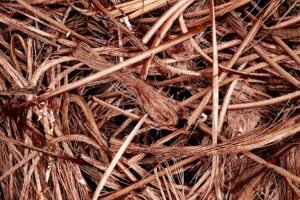
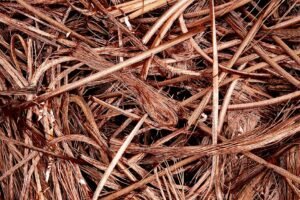
- Copper: Categorized into Bright and Shiny (Grade 1), Candy (Grade 2), and Burnt/Insulated wire.
- Aluminium: Sorted into Extrusion (window frames), Cast (engine parts), and Sheet (siding/roofing).
- Brass: Often sorted by cleanliness—free of lead, iron, or other contaminants.
- Lead: Usually sourced from old roofing or battery plates (ensure safety protocols are followed).
Always ask your buyer for their specific grading criteria. Some yards have specialized equipment like X-ray fluorescence (XRF) analyzers that can determine the exact alloy composition of a piece of metal in seconds. If you have high volumes of specialized alloys, finding a buyer with this technology is crucial for ensuring you are paid for the exact chemical composition of your material.
Safety and Compliance in Scrap Trading
Safety is non-negotiable when handling scrap metal. Non-ferrous metals can be sharp, heavy, and potentially contaminated with hazardous materials. When transporting scrap to a buyer in Minto, ensure your load is secured and that you are wearing appropriate Personal Protective Equipment (PPE), including gloves and steel-toed boots. Furthermore, ensure you are compliant with local council regulations regarding the storage of scrap on your property to avoid fines.
Trusted dealers will also require proper identification and, in some cases, proof of ownership for large loads to prevent the trade of stolen goods. This is a positive industry standard that protects legitimate traders and ensures the integrity of the scrap metal market across Australia.
Future Trends in the Australian Scrap Industry
The future of the scrap industry is moving toward greater automation and better traceability. As demand for recycled materials grows, particularly for the electric vehicle (EV) battery market, the value of metals like copper and nickel is expected to rise. We are also seeing a shift toward more digital-first scrap yards where pricing is transparent and updated in real-time via mobile apps. Staying informed on these trends will ensure that you remain ahead of the curve and continue to maximize your profits in the ever-evolving scrap metal market.
By maintaining a relationship with a consistent buyer, you gain access to market insights that aren’t available to the general public. This relationship-based approach is what separates casual sellers from successful, long-term scrap traders.
Frequently Asked Questions
How do I determine the current price of my non-ferrous scrap?
Prices are based on the London Metal Exchange (LME) and fluctuate daily. Check with your local Minto buyer for their current daily buy rates, which are influenced by the purity and grade of your specific material.
Is it necessary to strip insulation off copper wire before selling it?
While you can sell insulated wire, you will receive a higher price per kilogram if the copper is stripped and clean. Many buyers offer different rates for ‘bright and shiny’ copper versus insulated wire.
What documents do I need to bring when selling scrap metal?
Most professional scrap yards in Australia require a valid photo ID (such as a driver’s license) for all transactions. For large commercial quantities, you may also need to provide an ABN and potentially documentation of the origin of the scrap.
Can I sell mixed scrap metal, or does it have to be sorted?
You can sell mixed scrap, but it will be purchased at the lowest ‘mixed’ rate. Sorting your metals by type and grade is the best way to ensure you are paid the maximum value for each material.