
Nonferrous metal recycling Liverpool is a critical component of sustainable waste management in Australia. As cities like Liverpool in New South Wales grow, efficient recycling of nonferrous metals—such as copper, aluminium, and brass—becomes essential to minimize environmental impact and support resource conservation. This guide provides an in-depth look at the importance, processes, and benefits of nonferrous metal recycling in Liverpool, along with practical tips for individuals and businesses to participate effectively.
Understanding Nonferrous Metals and Their Role in Recycling
Nonferrous metals are materials that lack significant iron content, making them resistant to corrosion and ideal for long-term use. Common examples include aluminium, copper, zinc, and lead. These metals are widely used in industries such as construction, electronics, and transportation. In Liverpool, nonferrous metals are often sourced from scrap vehicles, industrial machinery, and household appliances. Recycling these materials reduces the need for mining raw ore, lowering energy consumption and greenhouse gas emissions.
- Aluminium: Lightweight and highly recyclable, aluminium is used in beverage cans, packaging, and vehicle parts.
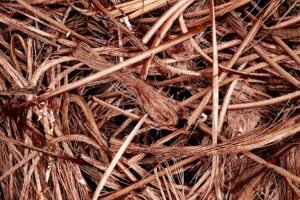
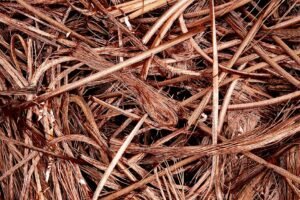
- Copper: A key material in electrical wiring and plumbing, copper recycling preserves its conductivity and durability.
- Brass and Bronze: Alloys of copper and zinc, commonly found in plumbing fixtures and decorative items.
By recycling nonferrous metals, Liverpool residents and businesses contribute to a circular economy, ensuring these valuable resources are reused rather than discarded.
The Importance of Nonferrous Metal Recycling in Liverpool
Liverpool, a major industrial hub in NSW, generates significant volumes of scrap metal annually. Nonferrous metal recycling plays a vital role in addressing this waste and supporting the region’s environmental goals. Key reasons to prioritize this practice include:
- Resource Conservation: Recycling reduces reliance on finite natural resources, preserving ecosystems and reducing habitat destruction.
- Energy Efficiency: Producing new metals from recycled sources consumes up to 95% less energy than extracting and refining raw materials.
- Economic Benefits: The recycling industry creates jobs and generates revenue for local businesses, including scrap yards and processing facilities.
For instance, the Scrap Trade platform connects Liverpool recyclers with buyers, streamlining the supply chain and promoting economic growth. This system ensures that nonferrous metals are processed efficiently, maximizing their value while minimizing landfill waste.
The Nonferrous Metal Recycling Process in Liverpool
The recycling of nonferrous metals in Liverpool follows a structured process to ensure quality and efficiency:
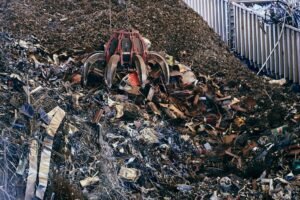
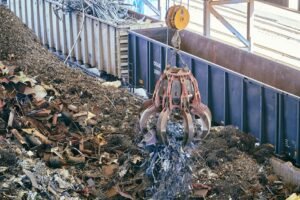
- Collection: Scrap metals are gathered from demolition sites, manufacturing facilities, and household waste. Services like Scrap Metal Recycling Near Me help residents and businesses locate nearby collection points.
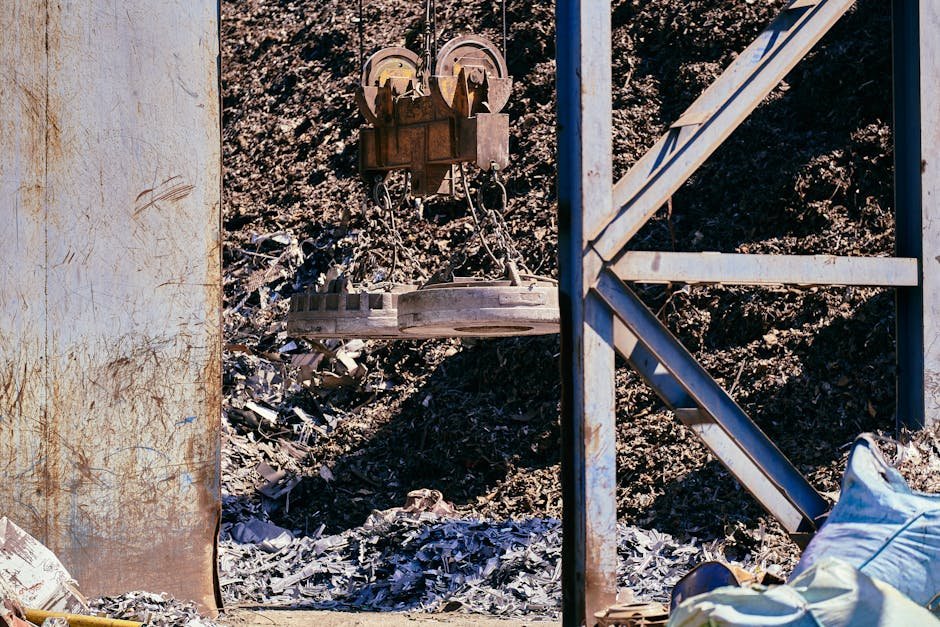
- Sorting and Separation: Nonferrous metals are separated from ferrous (iron-based) metals using techniques like eddy current separators and manual sorting. Facilities in Liverpool employ advanced technology to streamline this step.
- Processing: Metals are shredded, melted, and purified to remove contaminants. This process restores the material to its original quality, making it suitable for reuse in manufacturing.
- Redistribution: Recycled metals are sold to industries for producing new products, closing the loop in the circular economy.
Local recyclers like Core Metal Recycling specialize in handling nonferrous metals, ensuring compliance with environmental regulations and industry standards.
Benefits of Nonferrous Metal Recycling for Liverpool
Recycling nonferrous metals offers multiple advantages for Liverpool’s environment, economy, and community:
- Environmental Protection: Reduces landfill waste and pollution from mining activities, preserving local biodiversity and water quality.
- Cost Savings: Businesses can reduce material costs by using recycled metals, while residents earn income by selling scrap.
- Community Engagement: Initiatives like Metal Recycling Near Me encourage public participation and raise awareness about sustainable practices.
For example, a study by the NSW Environment Protection Authority found that recycling one tonne of copper saves 1.5 tonnes of CO₂ emissions compared to mining. This highlights the tangible impact of nonferrous metal recycling Liverpool can have on climate action.
Practical Tips for Effective Nonferrous Metal Recycling
To maximize the benefits of nonferrous metal recycling, follow these expert tips:
- Identify and Separate Metals: Learn to distinguish nonferrous metals from ferrous ones. Use a magnet test—if the metal doesn’t stick, it’s likely nonferrous.
- Prepare Scrap for Collection: Clean metals to remove dirt, oil, or chemicals, which can contaminate the recycling stream. For large volumes, contact local services like scrap metal recycling camden for bulk pickups.
- Research Local Regulations: Check Liverpool City Council guidelines on scrap metal disposal to ensure compliance and avoid fines.
- Support Certified Recyclers: Choose facilities with certifications like ISO 14001 to guarantee responsible recycling practices.
Residents in areas like Artarmon can also explore metal recycling artarmon for convenient drop-off points and competitive pricing.
Nonferrous Metal Recycling and the Future of Liverpool’s Economy
As global demand for sustainable practices grows, nonferrous metal recycling Liverpool is poised to play a central role in the region’s economic development. Key trends shaping this industry include:
- Technological Advancements: AI and automation are improving sorting efficiency and reducing processing costs.
- Government Incentives: State and federal grants support recycling infrastructure, such as the NSW Circular Economy Strategy.
- Corporate Responsibility: Major industries are committing to 100% recycled metal content, driving demand for Liverpool’s recyclers.
By adopting innovative solutions and fostering partnerships, Liverpool can solidify its position as a leader in Australia’s green economy. Platforms like ScrapTrade further enhance this by connecting stakeholders and providing market transparency.
Challenges and Solutions in Nonferrous Metal Recycling
While the benefits are clear, nonferrous metal recycling in Liverpool faces challenges such as contamination, fluctuating market prices, and public awareness gaps. Addressing these issues requires a multifaceted approach:
- Contamination Control: Implement strict sorting protocols and educate the public on proper preparation of scrap metals.
- Price Stability: Collaborate with industry bodies to establish pricing benchmarks and reduce volatility.
- Education Campaigns: Partner with schools and community groups to promote the value of recycling and combat misconceptions.
For instance, Liverpool’s Core Metal Recycling offers free workshops on identifying and handling nonferrous metals, empowering residents to contribute effectively.
Conclusion: Embracing Nonferrous Metal Recycling in Liverpool
Nonferrous metal recycling Liverpool is not just an environmental necessity but an economic opportunity. By understanding the processes, benefits, and practical steps involved, individuals and businesses can play a pivotal role in creating a sustainable future. Whether you’re a homeowner with scrap copper or a manufacturer managing industrial waste, your actions contribute to a cleaner, greener Liverpool. For more resources, explore Scrap Trade and local initiatives like Scrap Metal Recycling Near Me to take action today.
Related: scrap metal recycling camden
Related: metal recycling artarmon
Frequently Asked Questions
What are nonferrous metals, and why are they important to recycle?
Nonferrous metals like copper, aluminium, and brass lack iron and are highly recyclable. Recycling them conserves natural resources, reduces energy consumption, and supports a circular economy.
How can I identify nonferrous metals for recycling in Liverpool?
Use a magnet test—if the metal doesn’t stick, it’s nonferrous. Common examples include aluminium cans, copper wiring, and brass fittings. Clean and separate them before recycling.
What are the economic benefits of nonferrous metal recycling in Liverpool?
Recycling creates jobs, reduces material costs for businesses, and generates revenue for local recyclers. It also supports compliance with environmental regulations and enhances corporate sustainability.
How does nonferrous metal recycling help the environment?
It reduces landfill waste, lowers greenhouse gas emissions from mining, and preserves ecosystems by minimizing the need for raw material extraction.