
Navigating the landscape of north shore metal recycling requires a blend of logistical planning, market awareness, and an understanding of environmental compliance. As the Sydney metropolitan area continues to grow, the demand for efficient metal recovery services has surged, making it essential for both contractors and homeowners to understand how to process their scrap metal effectively. Whether you are clearing out a residential garage or managing industrial waste from a construction site, this guide provides the authoritative blueprint for turning scrap into a sustainable resource.
The Importance of Professional Metal Recycling
The environmental and economic impact of recycling metal cannot be overstated. By diverting scrap from landfills, we reduce the need for raw material extraction—a process that is energy-intensive and ecologically damaging. When you engage in high-quality north shore metal recycling, you are participating in a global supply chain that transforms discarded items into high-grade raw materials for manufacturing. This is not just about waste disposal; it is about resource conservation.
For those looking for immediate solutions, searching for Scrap Metal Recycling Near Me is the first step in identifying facilities that adhere to Australian environmental standards. Professional recyclers utilize advanced sorting technologies—such as X-ray fluorescence (XRF) analyzers and magnetic separation—to ensure that high-purity metals are recovered. This precision is what makes the industry viable and profitable for all stakeholders involved.
Identifying and Sorting Your Scrap Metal
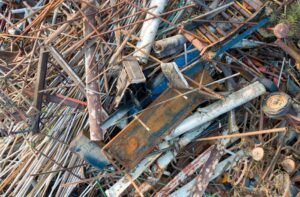
Before heading to a facility, understanding the difference between ferrous and non-ferrous metals is critical. Ferrous metals, such as iron and steel, are magnetic and are the most commonly recycled materials due to their wide use in construction. Non-ferrous metals, including copper, aluminum, brass, and lead, are highly valuable and do not contain iron. These materials are often found in wiring, plumbing, and electronic components.
If you are struggling to categorize your materials, resources like Core Metal Recycling offer deep insights into the specific grades of metal that command the highest prices. Sorting your scrap before arrival significantly reduces processing time at the facility. For instance, stripping insulation from copper wire or separating aluminum cans from steel scrap ensures that you receive the best possible market rate. When you search for Metal Recycling Near Me, you will find that most reputable scrap yards provide clear guidelines on how to prepare your loads for maximum efficiency.
Logistics and Regulations in the North Shore
Operating in the North Shore area requires adherence to specific local council regulations regarding waste management and transport. Heavy metals and industrial scrap must be handled safely to prevent soil contamination. Many businesses rely on professional logistics partners to transport large volumes of scrap safely. If you are specifically looking for reliable scrap metal north shore services, ensure that the provider is fully licensed and capable of handling your specific volume of material.
For those operating across different regions, it is worth noting that recycling standards remain consistent, though logistics vary. For example, if your operations extend beyond the North Shore, services like metal recycling greenacre provide similar professional standards for industrial clients. Utilizing a unified platform like Scrap Trade helps bridge the gap between local collectors and national processing hubs, ensuring that no matter your location, your scrap is handled with the utmost professionalism.
Maximizing Your Returns: Market Trends
Metal pricing is volatile and influenced by global demand, particularly from the manufacturing and construction sectors. To maximize your profit, it is vital to keep an eye on international commodity prices. Factors such as the cost of electricity, shipping logistics, and the availability of raw ore directly impact the price you receive at the weighbridge. A professional scrap metal trading platform can provide the necessary data to help you time your sales for maximum return.
Consistency is key in the scrap metal industry. Building a relationship with a trusted recycler allows you to negotiate better rates, especially if you provide clean, sorted materials regularly. Avoid mixing contaminants like plastic, wood, or dirt into your scrap, as this will lead to downgrading at the weighbridge and lower payments. Professionalism in how you present your scrap is just as important as the metal itself.
Environmental Impact and Sustainability
The North Shore community places a high value on sustainability. By choosing to recycle, you are directly contributing to the reduction of carbon emissions. The energy required to produce aluminum from recycled scrap is roughly 95% less than producing it from bauxite ore. Similarly, steel recycling saves significant amounts of coal and iron ore. This is the core of the circular economy: keeping materials in use for as long as possible.
Modern recycling facilities are increasingly focused on “zero-waste” initiatives. They invest in advanced filtration systems, water treatment processes, and noise reduction measures to ensure that their operations have a minimal footprint on the local North Shore environment. When you choose a certified recycler, you are supporting a business that invests in the future of the planet.
Common Industrial Scrap Challenges
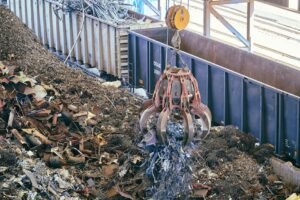
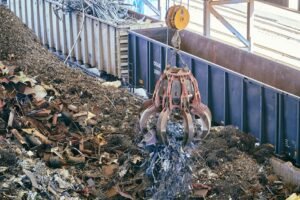
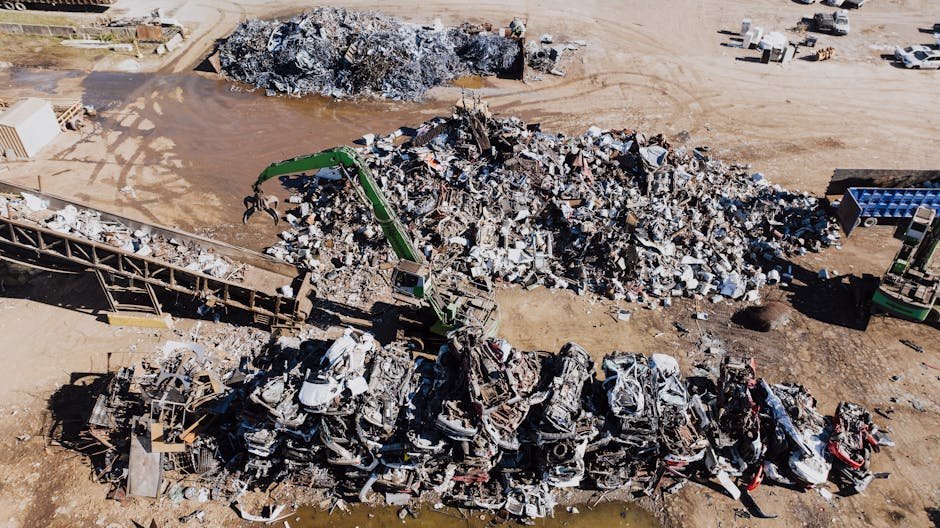
Industrial sites often produce complex waste streams, such as heavy machinery, structural steel, and specialized alloys. Managing this waste requires specialized equipment, including cranes, shears, and balers. Attempting to process this material without the right infrastructure is not only dangerous but inefficient. A comprehensive north shore metal recycling strategy involves scheduling regular pickups and utilizing certified containers to keep the site clean and compliant.
If you are managing a large-scale project, contact your local recycler to discuss onsite bin services. Many facilities will provide skip bins specifically for metal, which simplifies the sorting process and keeps your site organized. This proactive approach to scrap management is a hallmark of high-performing construction and demolition firms.
Safety Protocols for Scrap Handling
Safety is the most important aspect of metal recycling. Sharp edges, heavy loads, and hazardous materials are common risks. Always wear appropriate personal protective equipment (PPE), including gloves, steel-toed boots, and high-visibility clothing. If you are handling old electronics or appliances, be aware of potentially hazardous components like capacitors or mercury switches, which must be handled by professionals.
Never attempt to cut or dismantle pressurized tanks, as these can explode. If you are uncertain about the safety of a particular item, consult with your local scrap yard before attempting to process it. A reputable facility will always prioritize the safety of its customers and staff over the speed of the transaction.
Future Outlook of Metal Recycling in Australia
The future of the industry is bright, with new technologies emerging that allow for the recovery of rare earth metals from electronic waste. As Australia moves toward a more sustainable future, the role of local recycling hubs will become even more critical. We are seeing a shift toward automated sorting systems that can identify alloys with near-perfect accuracy, ensuring that high-value materials are never lost in the waste stream.
Staying informed about these advancements will keep you ahead of the curve. Whether you are a small-scale recycler or an industrial giant, the principles remain the same: sort, clean, and partner with experts. By doing so, you ensure that your contribution to the economy and the environment is maximized, helping to build a more sustainable and prosperous North Shore for generations to come.
Conclusion
Mastering the art of metal recycling in the North Shore is about more than just clearing space; it is about participating in a sophisticated, essential industry. From identifying the right metals to understanding the logistics of transport and market pricing, the path to success lies in professional collaboration and diligent sorting. By leveraging the resources available through trusted industry platforms and local experts, you can turn your scrap into a valuable asset while supporting the circular economy. Remember, every kilogram of metal recycled is a step toward a cleaner, more efficient Australia.
Frequently Asked Questions
What metals are most profitable to recycle?
Non-ferrous metals like copper, brass, and aluminum typically command the highest market prices. These materials are highly sought after due to their high conductivity and ease of repurposing.
How should I prepare my scrap for the best price?
Sort your metals by type (ferrous vs. non-ferrous) and remove any non-metal contaminants like plastic, rubber, or wood. Clean, sorted loads are processed faster and generally receive higher valuations at the weighbridge.
Are there any items I cannot recycle?
You generally cannot recycle items that contain hazardous materials, such as sealed pressurized containers, radioactive scrap, or items containing asbestos. Always check with your local facility if you are unsure about a specific item.
Why is it important to use a certified recycling facility?
Certified facilities adhere to strict environmental and safety regulations, ensuring that materials are processed without polluting the local ecosystem. They also provide accurate weighing and fair market pricing for your scrap.