
Navigating the landscape of north shore scrap metals requires a blend of industry knowledge, logistical planning, and an understanding of global commodity markets. Whether you are a trade professional, a demolition contractor, or a local resident looking to clear out your garage, understanding the nuances of metal grades and the recycling process is essential for turning waste into a valuable asset.
Understanding the Lifecycle of Scrap Metal Recycling
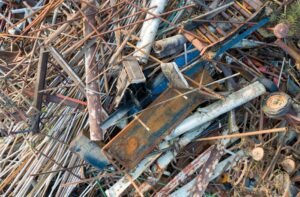
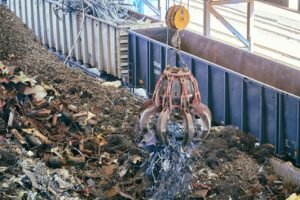
The recycling of scrap metal is a sophisticated industrial process that transforms discarded items into high-quality raw materials. In the context of north shore scrap metals, the journey begins at the collection point. Scrap is categorized into two primary divisions: ferrous and non-ferrous. Ferrous metals, such as iron and steel, are magnetic and are primarily used in construction and infrastructure. Non-ferrous metals, including copper, aluminium, brass, and lead, do not contain iron and are highly prized for their resistance to corrosion and their infinite recyclability.
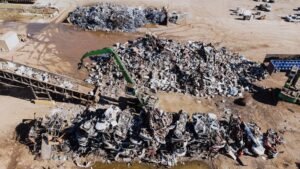
Once collected, the material undergoes a rigorous sorting process. Advanced facilities use electromagnetic separators, X-ray fluorescence (XRF) analyzers, and manual inspection to ensure purity. Contamination is the enemy of profit in the scrap industry. If you are preparing your materials for sale, understanding how to separate these grades is the first step toward a higher payout. For those looking to streamline their process, our guide on I Buy Scrap How To Sell Your Scrap Metals Efficiently provides the operational blueprint you need to succeed.
The Hierarchy of Metal Grades: What You Need to Know
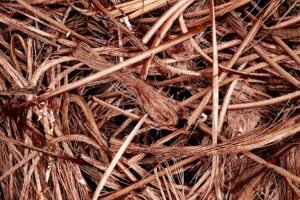
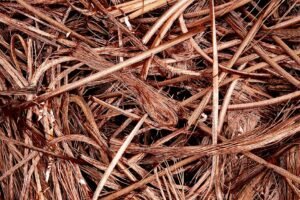
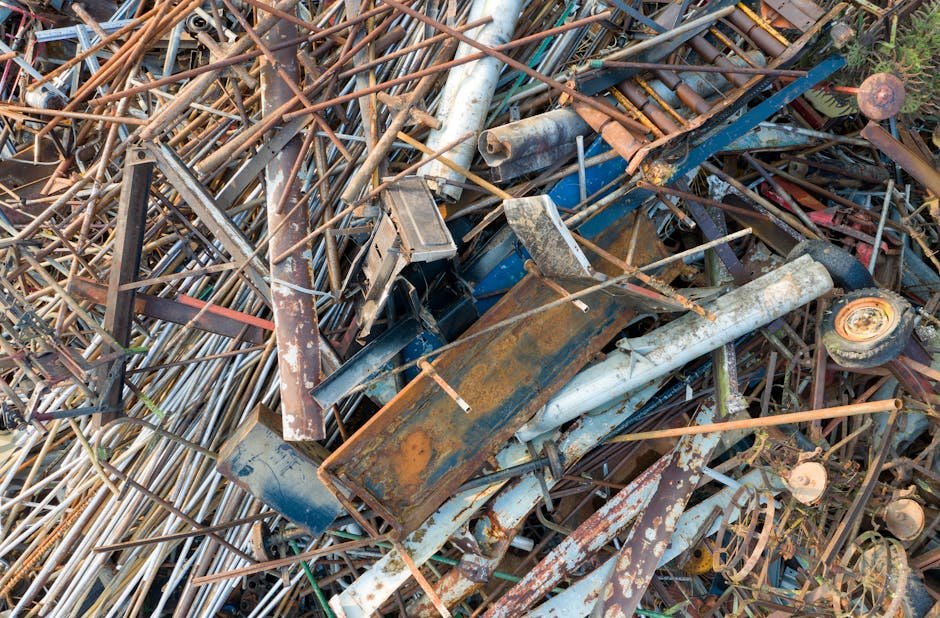
Not all scrap is created equal. The value of your load depends heavily on the specific grade of the metal. For instance, copper is often graded based on its cleanliness—bright shiny copper (bare bright) commands a significantly higher price than copper with insulation or oxidation. Similarly, in the world of heavy steel, understanding Hms Scrap How To Sell And Profit From Scrap Metals is critical for contractors dealing with structural beams and heavy plate material.
When dealing with north shore scrap metals, you will encounter various classifications:
- Copper: Ranges from Number 1 (clean, unalloyed, uncoated) to Number 2 (contains minor impurities).
- Aluminium: Categorized by extrusions, cast, or sheet. Clean, painted-free extrusions are the gold standard.
- Brass/Bronze: Yellow brass is common in plumbing fixtures, while red brass contains more copper and is more valuable.
- Stainless Steel: Graded by its nickel content (e.g., 304 vs. 316 grade).
By identifying your materials correctly before arriving at a yard, you avoid the common pitfalls of mixed-load pricing. To get the best return, you must stay informed on market fluctuations. Learn more about the factors influencing your bottom line in our resource on Metal Prices Per Kg How To Sell Scrap Metals Profitably.
The Environmental Imperative of Recycling
The environmental case for recycling is undeniable. Mining virgin ore is an energy-intensive process that leaves massive ecological footprints, including soil erosion, water contamination, and significant greenhouse gas emissions. By choosing to recycle, you are actively participating in the circular economy. For every tonne of steel recycled, we save approximately 1,100 kilograms of iron ore, 630 kilograms of coal, and 55 kilograms of limestone.
Furthermore, the energy savings are staggering. Recycling aluminium saves roughly 95% of the energy required to produce it from raw bauxite ore. This reduction in energy consumption directly translates to lower carbon emissions. As the industry evolves, the focus on sustainable practices has become a pillar of the north shore scrap metal market. Businesses and individuals alike are increasingly prioritizing facilities that utilize eco-friendly processing methods, such as dust suppression, water recycling, and efficient logistics that minimize transportation emissions.
Strategic Logistics: Selling Your Scrap Effectively
Efficiency in the scrap metal business is about more than just the price per kilo; it is about logistics. If you are handling large volumes, the cost of transport can quickly erode your profit margins. This is where professional scrap management comes into play. Whether you are searching for a scrap metal north shore facility or looking for a national partner, you need a provider that offers reliable collection services and accurate weighing.
To maximize your returns, consider these expert tips:
- Sort at the Source: Never mix your metals. A small amount of brass in a bin of copper will downgrade the entire load to the lower price point.
- Clean Your Material: Remove non-metallic attachments like plastic, rubber, or wood.
- Volume Matters: Larger, consistent loads often qualify for better pricing tiers.
- Stay Informed: Commodity prices change daily. Use reliable digital platforms like Scrap Trade to track trends.
By treating your scrap as a refined product rather than waste, you shift your position from a seller to a supplier. This mindset change is the difference between a casual hobbyist and a professional recycler. For comprehensive industry news and market data, visit our main hub at Scrap Trade Australia.
The Future of the Scrap Industry
The scrap metal industry is currently undergoing a digital transformation. With the advent of blockchain technology for supply chain transparency and AI-driven sorting systems, the speed and accuracy of metal recovery are reaching new heights. The future of the industry lies in “urban mining”—the process of recovering valuable metals from end-of-life electronics, vehicles, and infrastructure projects located within our cities.
As urban density increases, the importance of local, efficient, and transparent recycling hubs becomes paramount. The integration of digital platforms allows for real-time pricing updates, transparent weight recording, and seamless transaction tracking. This level of transparency is essential for building trust in an industry that has historically been opaque. As we look toward a net-zero future, the role of scrap metal in providing the raw materials for renewable energy infrastructure—such as copper for wind turbines and electric vehicle batteries—cannot be overstated.
Safety and Compliance in Scrap Handling
Safety is the cornerstone of any reputable scrap metal operation. Handling heavy industrial materials carries inherent risks, including sharp edges, heavy machinery, and potential chemical hazards. It is vital to wear appropriate Personal Protective Equipment (PPE), including steel-capped boots, high-visibility clothing, and gloves, when visiting a yard. Furthermore, compliance with environmental regulations is non-negotiable. Reputable scrap yards must adhere to strict state and local government guidelines regarding waste management, hazardous material handling, and site runoff prevention.
When selecting a partner, ensure they possess the necessary licenses to operate. A professional facility will have documented procedures for managing hazardous materials like lead-acid batteries or mercury-containing switches. By choosing compliant partners, you ensure that your scrap is being processed ethically and sustainably, avoiding the risks associated with “backyard” operations that may not follow environmental protocols.
Maximizing Profit Through Market Awareness
Market awareness is the final piece of the puzzle. The price of scrap is inextricably linked to the global demand for steel and non-ferrous metals, primarily driven by industrial growth in emerging economies. When global demand is high, local scrap yards have more capital to offer competitive rates. Conversely, during periods of industrial slowdown, prices may dip. Understanding these cycles allows you to store your scrap during low-price periods and sell when the market peaks.
Building a relationship with a trusted buyer is also a strategic advantage. A buyer who knows your business and the quality of your scrap is more likely to provide consistent, fair pricing and priority service. Don’t be afraid to ask questions about how they grade your material or what the current market drivers are. Knowledge is power in this industry, and the more you understand about the global supply chain, the better equipped you will be to navigate the local market.
Conclusion: Your Role in the Circular Economy
The recycling of scrap metal is a vital component of the modern global economy. It is a sector that bridges the gap between waste management and resource production. By engaging with the north shore scrap metals market through informed, strategic, and professional practices, you are not only securing a financial benefit for yourself but also contributing to a more sustainable future. Whether you are a large-scale industrial operator or a local tradesperson, your contribution to the recycling loop helps preserve natural resources and reduces the energy intensity of our industrial processes. Start today by organizing your scrap, understanding your grades, and partnering with a reputable, transparent buyer who values your business and the environment.
Frequently Asked Questions
What is the difference between ferrous and non-ferrous scrap?
Ferrous metals contain iron and are typically magnetic, such as steel and iron. Non-ferrous metals, like copper, aluminium, and brass, do not contain iron and are generally more valuable due to their corrosion resistance.
How can I get the best price for my scrap metal?
The best way to get a higher price is to sort your metals by type and remove any non-metallic contaminants like plastic or wood. Selling in larger, clean batches and keeping track of market price trends will also help maximize your profit.
Why is it important to choose a licensed scrap metal facility?
Licensed facilities adhere to strict environmental and safety regulations, ensuring that hazardous materials are handled correctly and that the recycling process is sustainable. This protects both the environment and your legal interests as a seller.
Does the grade of the metal really matter for the price?
Yes, the grade is the primary factor in determining price. For example, bare bright copper is worth more than insulated copper wire because it requires less processing to be ready for re-melting.