
Navigating the complex landscape of north sydney copper recycling requires a blend of market knowledge, logistical precision, and an understanding of the local regulatory environment in New South Wales. Whether you are a demolition contractor, an electrician, or a private collector in Greater Sydney, the ability to effectively process and trade copper is a vital skill. This guide serves as your authoritative resource for everything from identifying high-value scrap to understanding the nuances of the global commodities market as they apply to the local industry.
Understanding the Market: Copper Grades and Valuation
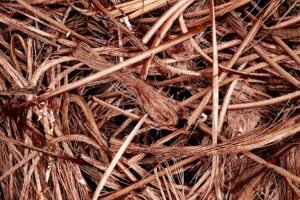
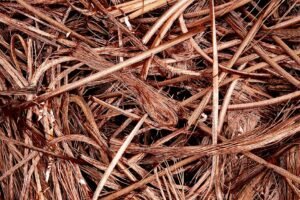
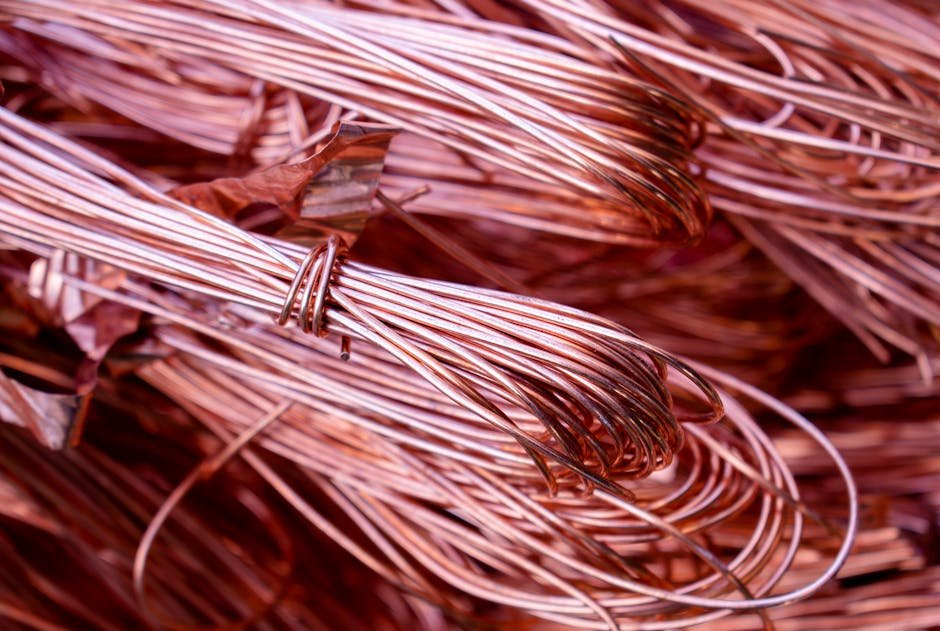
In the world of scrap metal, not all copper is created equal. The valuation of your materials depends heavily on the purity and the physical state of the metal. For those involved in north sydney copper recycling, the first step to profitability is mastering the grading system. The highest grade, known as bare bright copper, consists of clean, unalloyed, and uncoated copper wire that is free from insulation, paint, or oxidation. Because it is essentially pure copper, it commands the highest copper price per kg.
Moving down the scale, we find number 2 copper. This grade includes copper that has been exposed to the elements or has minor contaminants like solder, paint, or light oxidation. While it still holds significant value, the processing required to refine it back to a high-purity state means it trades at a lower price point than bare bright. Understanding these distinctions is critical when you are looking for reliable north sydney copper recyclers to handle your inventory. By accurately sorting your copper wire and copper pipe before arriving at a yard, you significantly reduce the risk of your load being downgraded, ensuring you receive the maximum payout for your efforts.
The Logistics of Scrap Metal in Greater Sydney
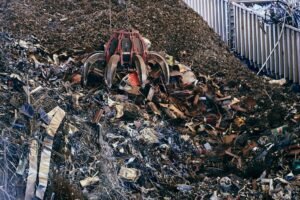
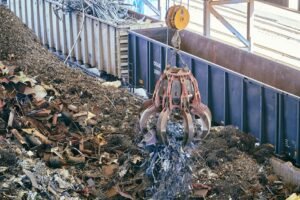
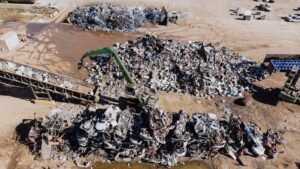
Operating within the Greater Sydney region presents unique logistical challenges. The density of the urban environment, combined with strict environmental regulations in NSW, means that scrap metal management must be handled with professionalism. For businesses, the distinction between a casual trader and a professional operation is often blurred, which is why it is essential to understand the differences outlined in our guide on Scrap Trading Vs Recycling Business. Professional recycling goes beyond simple collection; it involves the systematic processing, baling, and shearing of metals to prepare them for secondary smelting.
If you are located closer to the inner west, you might find that facilities such as scrap copper recycling north strathfield offer specialized services that cater to the specific needs of large-scale construction sites. The key to successful logistics is minimizing the distance between the source of the scrap and the processing facility. Every kilometer traveled adds to your overhead and reduces your net profit. By leveraging digital platforms like Scrap Trade, you can find the most efficient routes and the best-paying yards in your immediate vicinity, ensuring that your operations remain lean and profitable.
Building a Network: The Importance of Community
No one succeeds in the scrap industry in isolation. Whether you are a small-scale collector or a large demolition firm, being part of a broader network is essential for staying updated on market trends and regulatory changes. We encourage all our users to engage with the Recycling Community to share best practices, discuss local market conditions, and learn about new equipment that can improve your sorting efficiency. Building relationships with other industry professionals can lead to better pricing, more reliable logistics, and a deeper understanding of the circular economy.
For those who are serious about scaling their operations, joining a dedicated Copper Scrap Group is an excellent way to gain insights into how the copper price per kg is currently trending. These groups often discuss the impact of global supply chain disruptions on local prices in New South Wales. By staying informed, you can make strategic decisions about when to hold your stock and when to sell, turning your scrap collection into a sophisticated trading enterprise. For more comprehensive resources on global trading standards, visit Scrap Trade Australia to see how the industry is evolving.
Technical Best Practices for Copper Processing
To truly excel in north sydney copper recycling, you must invest in the right tools. Processing copper isn’t just about throwing metal into a bin; it is about adding value through labor. For example, stripping insulation from copper wire using a mechanical wire stripper can move your material from a lower grade to a higher grade, instantly increasing its value. This is a classic example of how processing adds value to raw materials.
- Sorting by Grade: Always keep your bare bright, number 2 copper, and insulated wires in separate, clearly marked containers.
- Cleanliness: Remove as much non-metallic debris as possible. Plastic, dirt, and wood contaminants will lead to your load being downgraded at the weighbridge.
- Safety Protocols: Always wear appropriate personal protective equipment (PPE), including heavy-duty gloves and safety glasses, as scrap metal can have sharp edges and hidden hazards.
- Weight Management: Know the capacity of your vehicle. Overloading leads to safety risks and potential fines on New South Wales roads.
By following these technical best practices, you ensure that your material is in the best possible condition when it reaches the recycler. This not only speeds up the transaction process but also builds your reputation as a reliable supplier, which can lead to better long-term relationships with scrap yards.
The Economic Impact of Recycling in New South Wales
The recycling industry is a cornerstone of the modern circular economy in NSW. By recycling copper, we drastically reduce the need for energy-intensive mining operations. Copper is a 100% recyclable material, meaning it can be melted down and repurposed indefinitely without losing any of its physical or electrical properties. This makes it one of the most valuable commodities in the recycling stream.
In Greater Sydney, the demand for copper is driven by the construction, telecommunications, and renewable energy sectors. As the city continues to grow, the volume of copper scrap generated from building demolitions and infrastructure upgrades is immense. When you participate in north sydney copper recycling, you are not just making a profit; you are contributing to a sustainable supply chain that supports the local economy and reduces the environmental footprint of our urban development.
Future Trends: Technology and Sustainability
The scrap metal industry is undergoing a digital transformation. From AI-powered sorting machines that can identify metal alloys in milliseconds to blockchain-based platforms that track the origin of recycled materials, the future of the industry is high-tech. As a participant in this sector, it is important to keep an eye on these developments. Automation is becoming increasingly accessible, even for smaller operations, allowing for faster processing times and higher recovery rates.
Furthermore, sustainability reporting is becoming mandatory for larger construction projects. If you can provide documentation on how your scrap copper is being recycled, you become a much more attractive partner for tier-one contractors. This level of professionalism is what separates the casual scrap collector from the industry leader. By staying ahead of these trends, you position yourself to take advantage of new opportunities in an increasingly green economy.
Conclusion: Maximizing Your Potential
Success in the scrap metal industry requires more than just a truck and a destination. It requires a deep understanding of the material, a commitment to quality, and a strategic approach to trading. By focusing on the nuances of north sydney copper recycling, you can turn a simple waste management task into a profitable and sustainable business model. Whether you are dealing with high-grade copper wire or bulk copper pipe, the principles of sorting, cleaning, and networking remain the same.
Remember that the market is dynamic. The copper price per kg changes daily based on global demand, currency fluctuations, and geopolitical events. Keep yourself informed, maintain your professional network, and always prioritize safety and environmental compliance. With the right approach, you can capitalize on the vast opportunities available within the scrap metal industry in New South Wales and contribute to a more efficient, circular future for our cities.
Frequently Asked Questions
What is the difference between bare bright and number 2 copper?
Bare bright copper is clean, unalloyed, and uncoated copper wire, while number 2 copper includes wire or pipe that has minor contaminants like paint, solder, or light oxidation.
How often do copper prices change in New South Wales?
Copper prices are tied to global commodity markets and can fluctuate daily. It is recommended to check current market rates before heading to a scrap yard.
Is it worth stripping insulation from copper wire?
Yes, stripping insulation often upgrades your scrap from a lower grade to bare bright, which significantly increases the price per kilogram you will receive.
What should I look for in a professional scrap metal recycler?
Look for transparency in their weighing process, competitive pricing, and proper environmental certifications. A good recycler should also be easy to contact and located within a reasonable distance.