
When searching for reliable north sydney stainless steel recyclers, it is essential to understand that not all scrap yards operate with the same level of technical precision. The recycling of high-value alloys requires specialized knowledge to distinguish between various grades, such as 304 stainless and 316 stainless, to ensure you receive a fair market return. As the industrial landscape of Sydney evolves, the demand for sustainable metal management has never been higher. Whether you are a commercial contractor or a local business owner, partnering with professional north sydney stainless steel recyclers ensures that your waste materials are diverted from landfills and reintegrated into the global supply chain, supporting a more sustainable future for Australia.
Understanding the Stainless Steel Recycling Process
The journey of scrap metal from a construction site or industrial facility to a finished product is a sophisticated operation. Unlike simple ferrous metal processing, stainless steel recycling requires rigorous quality control. Upon arrival at a facility, the material is first inspected and weighed. Experienced recyclers use handheld XRF (X-ray fluorescence) analyzers to verify the exact chemical composition of the scrap. This is critical because the presence of nickel, chromium, and molybdenum dictates the ultimate value of the material.
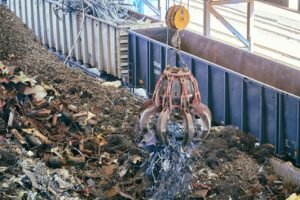
Once identified, the scrap is processed through a series of stages. Large hydraulic shears and shredders reduce the bulk material into manageable pieces. These pieces are then sorted to remove contaminants like mild steel, plastic, or rubber. Because stainless steel is 100% recyclable without any loss of quality, it is a highly sought-after commodity. If you are looking to understand your potential earnings, you can use our Stainless Steel Scrap Calculator Estimate Your Material Value to get an idea of current market trends. By optimizing your sorting process on-site, you can ensure that your scrap meets the high standards required by smelters, which directly influences your final payout.
Differentiating Between 304 and 316 Stainless Steel
For those involved in the scrap industry, the distinction between 304 and 316 stainless is paramount. 304 stainless is the most common grade, widely used in kitchen equipment and architectural cladding. In contrast, 316 stainless contains molybdenum, which provides superior corrosion resistance, making it the preferred choice for marine environments and chemical processing plants. Because of these distinct properties, professional north sydney stainless steel recyclers categorize these materials separately.
Mixing these grades can lead to significant financial loss, as the market price for 316 is generally higher due to its specialized alloy content. To maximize your returns, it is vital to keep these materials segregated at the source. If you are unsure about your material, consult our guide on Stainless Steel Recycling How To Sell Scrap For Maximum Profit. Understanding these technical nuances allows you to negotiate better rates when you visit steel recyclers north sydney facilities. Remember, the cleaner and more accurately sorted your load, the higher the likelihood of achieving the best Stainless Steel Scrap Price available on the day of sale.
Drop-off vs. Pickup: Choosing the Right Service
Deciding between dropping off your scrap or requesting a pickup depends largely on the volume and nature of your material. For smaller loads of sheet metal or offcuts, a drop-off at a local facility is often the most efficient route. It allows for immediate weighing and payment, providing instant liquidity for your business. However, for large-scale demolition projects or industrial cleanouts, a professional pickup service is usually required.
When organizing a pickup, ensure that your scrap is accessible and properly contained. Many north sydney steel recycling providers offer bin services, which are ideal for ongoing projects. By placing a dedicated bin on-site, you can keep your workspace safe and clear of hazards while accumulating enough volume to justify a collection. Before scheduling a pickup, always check the current steel price per tonne to ensure that the logistics costs are balanced against the value of your scrap. For reliable logistics, you can visit professional scrap metal logistics providers to streamline your operations.
The Environmental Impact of Stainless Steel Recycling
The environmental case for recycling stainless steel scrap is compelling. Producing virgin stainless steel is an energy-intensive process that involves mining iron ore, chromium, and nickel—activities that have significant land-use and carbon-footprint implications. By recycling existing stainless steel, we drastically reduce the need for raw material extraction. In fact, recycling steel uses approximately 75% less energy than producing it from virgin ore.
Furthermore, recycling prevents valuable metals from leaching into the soil in landfills. In North Sydney, where urban development is dense and environmental regulations are stringent, responsible scrap management is not just a business decision; it is a civic duty. When you choose to recycle, you are actively participating in the circular economy, helping to conserve natural resources for future generations. Our platform, Scrap Trade, is dedicated to connecting businesses with the most sustainable and efficient recycling pathways in the region.
Economic Factors Influencing Scrap Steel Prices
The price of scrap is never static. It is influenced by a complex web of global factors, including international supply and demand, the cost of energy, and the strength of the Australian dollar. Because stainless steel is a global commodity, price fluctuations can be sudden. It is important to monitor the market regularly if you are holding significant quantities of scrap.
Key factors that influence your final payment include the purity of the scrap, the current global market conditions, and the logistical costs associated with transport. For instance, if you have a large quantity of clean scrap steel, you are in a stronger position to negotiate a better rate. Always stay informed by checking the latest industry reports and utilizing digital tools to track market movement. Being proactive about when you sell can make a substantial difference to your bottom line, transforming your waste management from a cost center into a reliable revenue stream.
Best Practices for On-Site Scrap Management
Efficiency in recycling begins on the factory floor or construction site. Implementing a robust scrap management plan can significantly increase the value of your material. Start by segregating your metals at the point of origin. Use clearly labeled bins for 304 stainless, 316 stainless, mild steel, and other non-ferrous metals. This simple step prevents cross-contamination, which is the primary cause of downgraded scrap values.
Training your staff on the importance of material separation is also crucial. When employees understand that a piece of 316 stainless is worth more than a piece of mild steel, they are more likely to take the time to sort it correctly. Additionally, keep your scrap area clean and dry. Moisture and debris can add unnecessary weight and reduce the quality of the material, which may lead to deductions at the weighbridge. By maintaining high standards of organization, you position yourself as a preferred supplier to north sydney stainless steel recyclers, ensuring you receive priority service and competitive pricing.
The Future of Metal Recycling in Sydney
As the construction and manufacturing sectors in Sydney continue to grow, the infrastructure for metal recycling must keep pace. We are seeing a shift toward more sophisticated sorting technologies, including AI-driven optical sorters that can identify metal grades with near-perfect accuracy. This technological evolution will likely lead to even higher recycling rates and more efficient recovery of precious alloying elements.
For businesses, this means that the future of scrap management will be increasingly digital and transparent. Real-time tracking of scrap movements and digital invoicing are becoming the standard. By embracing these advancements, you can ensure that your operations are not only compliant with current environmental standards but also optimized for maximum profitability. Whether you are dealing with small quantities of sheet metal or massive industrial demolition loads, staying ahead of these trends will ensure that you remain competitive in the evolving landscape of Sydney’s recycling industry.
Conclusion: Partnering for Success
Selecting the right partner for your metal recycling needs is a strategic decision that impacts both your profitability and your environmental footprint. By understanding the nuances of stainless steel grades, optimizing your on-site collection methods, and staying informed about market prices, you can maximize the value of your scrap. Whether you are looking for steel recyclers north sydney or seeking advice on how to manage your industrial waste, the goal is always to treat your scrap as a valuable resource rather than a disposal problem.
The path to sustainable and profitable recycling is paved with good habits and strong professional relationships. As you navigate the complexities of the scrap market, remember that your choice of recycling partner is your most important asset. By working with reputable, transparent, and expert recyclers, you ensure that your materials are handled responsibly and that you receive the fair market value for your contribution to the circular economy. Start your journey today by auditing your current waste streams and connecting with the experts who can help you turn your scrap into a significant asset.
Frequently Asked Questions
- What is the difference between 304 and 316 stainless steel? 316 stainless steel contains molybdenum, which gives it superior corrosion resistance compared to 304, making it more valuable in industrial and marine applications.
- How can I get the best price for my stainless steel scrap? To get the best price, ensure your scrap is clean, free of contaminants like rubber or plastic, and properly segregated by grade before taking it to a recycler.
- Do recyclers provide pickup services for large quantities? Yes, most professional recyclers offer bin services and scheduled pickups for commercial and industrial clients who generate large volumes of scrap metal.
- Why does the price of stainless steel change so often? Scrap prices are tied to global commodity markets, which fluctuate based on international demand, raw material supply, and energy costs.
Related: Stainless Steel Scrap Price
Related: steel recyclers north sydney
Related: north sydney steel recycling